Resources
This library is built for procurement and engineering alignment, not general marketing reading. Each article includes decision criteria, risk controls, and practical actions you can reuse in real RFQ and validation workflows.
The original market plan calls for hard engineering guides, not broad robotics commentary. Use this matrix to move from architecture screening to quality evidence, RFQ completeness, and sourcing governance.
| Buyer Decision | Current Resource | RFQ Output |
|---|---|---|
Actuator architecture Which actuator family should we quote for each humanoid joint before freezing the envelope? Maps the custom module, QDD, leg, arm, linear, dexterous hand, hollow-shaft, and reducer demand clusters into one product path. | Live product paths Products | A shortlisted joint-by-joint actuator family list with envelope, torque-speed, cable path, and reducer assumptions. |
Reducer selection Should this joint use harmonic, cycloidal, planetary, QDD, or a hybrid reducer stack? Answers the backlash, shock load, rigidity, compliance, and lower-body survivability planning called out in the research brief. | Live guide Harmonic vs. Cycloidal Drives in Custom Humanoid Actuators | Reducer topology, backlash limit, shock event definition, bearing load, and test condition assumptions. |
Backlash validation Is the supplier backlash claim measured under a condition that matches our robot joint? Implements the backlash testing standards article called out in the content plan: no-load claims, loaded reversal, assembled-joint evidence, serial data, and transparent test conditions. | Live guide Humanoid Actuator Backlash Testing RFQ Guide | Backlash limit, preload torque, reversal method, measurement location, fixture boundary, encoder topology, post-cycle criteria, and serial-level evidence. |
Thermal derating Why is peak torque not enough for humanoid actuator procurement? Implements the thermal derating guide for continuous torque, duty cycle, sealed housings, GaN driver heat paths, copper thickness, and thermal-via risk. | Live guide Thermal Derating in Custom Humanoid Actuators | Continuous torque target, ambient temperature, housing boundary, load cycle, allowable surface temperature, and derating margin. |
Quality evidence What evidence should a funded robotics team request before approving samples or pilot production? Turns the Proof of Engineering and Quality section into a visible audit path for CMM, FAI, PCBA checkpoints, dynamic tests, traceability, Cpk, and 8D response. | Live OEM page Quality and engineering validation | CTQ list, FAI/CMM scope, dynamic actuator test plan, report format, serial traceability depth, and release-gate ownership. |
RFQ minimum data What must we send so the supplier can answer with engineering substance instead of provisional assumptions? Implements the structured inquiry funnel: joint function, torque-speed target, ratio, backlash condition, drawing revision, voltage/protocol, thermal boundary, and validation needs. | Live guide and form Custom humanoid actuator ODM RFQ guide | A complete first-pass RFQ package that supports 24-hour receipt confirmation, DFM questions, and formal quote planning. |
Unified sourcing How do we avoid splitting custom machining, motors, reducers, encoders, drivers, harnesses, and export logistics across disconnected vendors? Captures the unified sourcing ecosystem idea from the planning report as a controlled engineering intake and ODM coordination path, without pretending the site is a generic marketplace or instant quote tool. | Live guide and OEM path Custom Humanoid Actuator BOM Integration and Sourcing Guide | A single owner for actuator BOM coordination, custom parts, supplier handoffs, prototype evidence, pilot release, and logistics planning. |
You can also filter by buyer intent in our product, company, and news categories.
Send drawings, joint maps, torque-speed targets, duty cycle, pilot quantity, and validation constraints. We will respond with actuator architecture fit, DFM risks, and quotation data gaps.
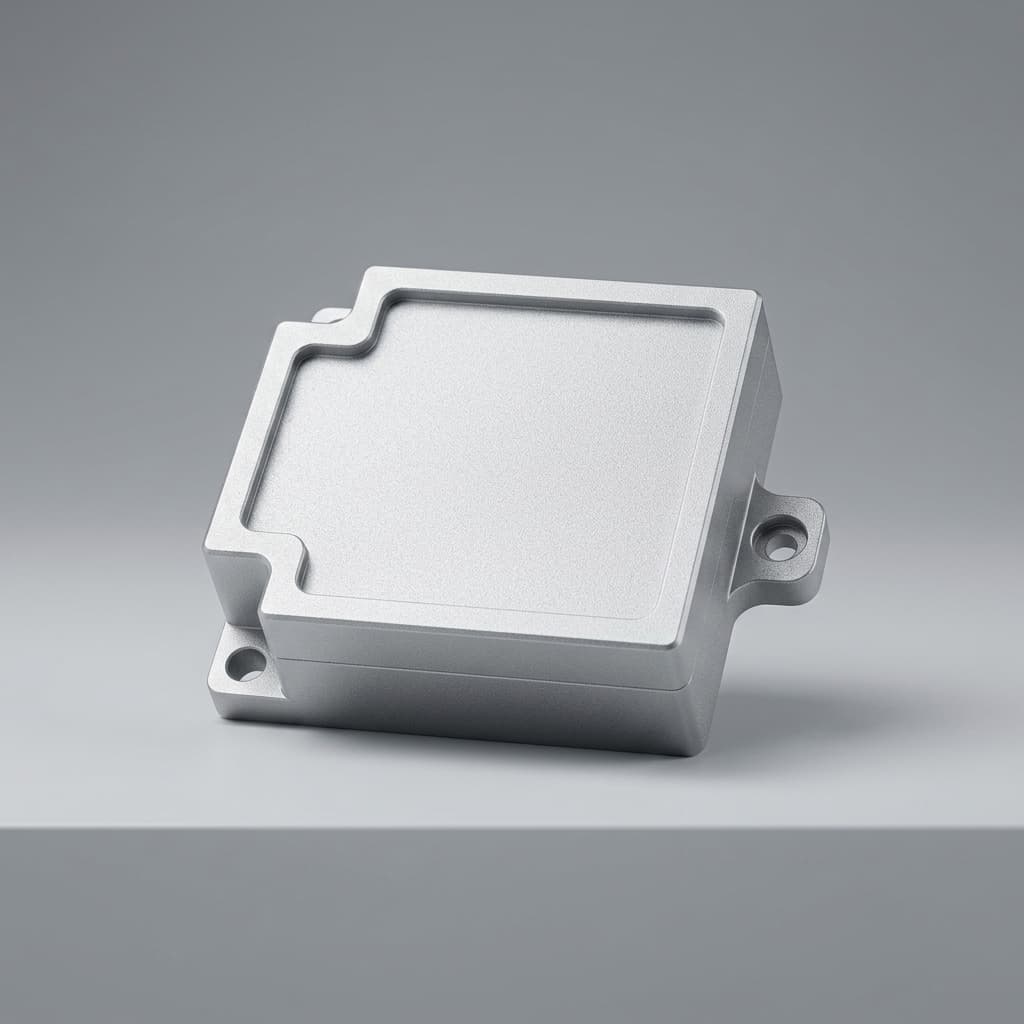
2026 procurement guide for custom humanoid actuator FAT/SAT protocols, dynamic-load tests, thermal derating, source evidence, and RFQ acceptance limits.

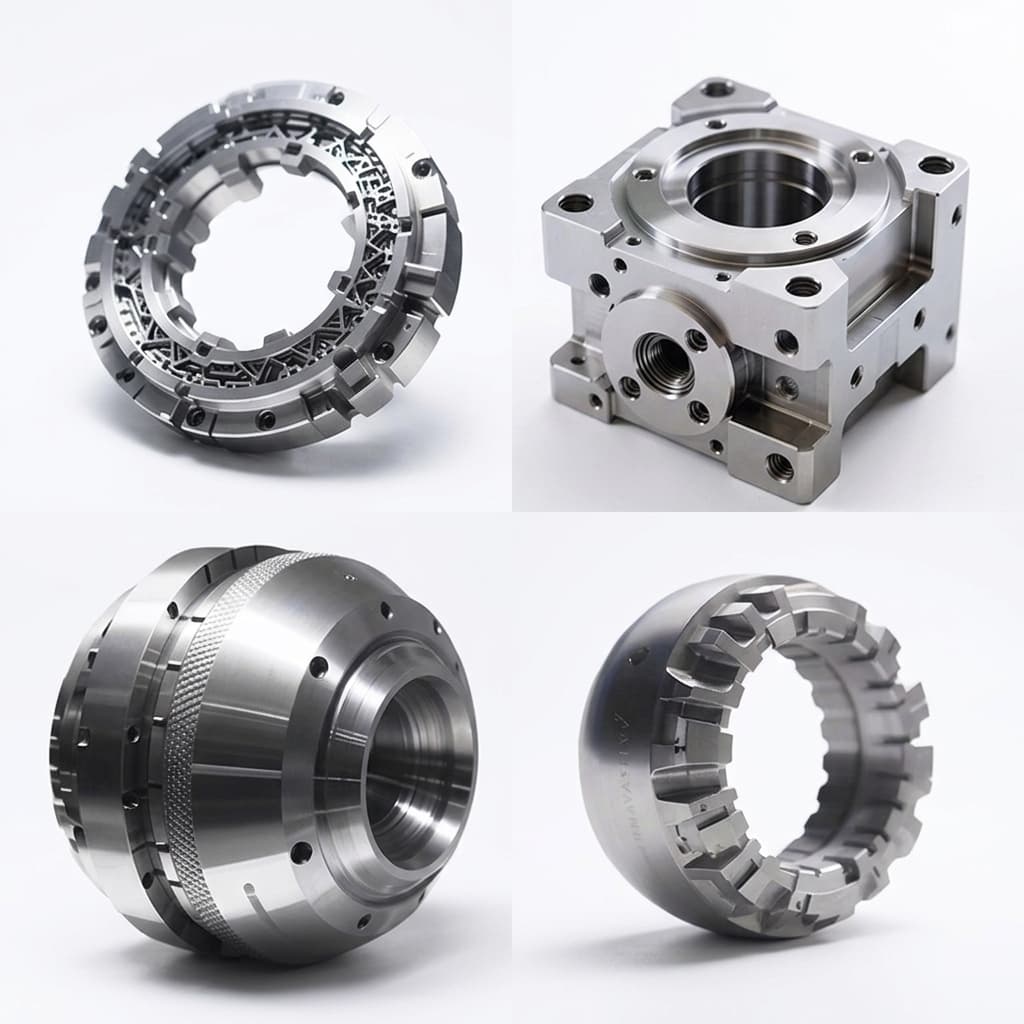
An engineering breakdown of tolerances, material selection, GD&T, and machining costs when moving from benchtop prototype actuators to pilot-production precision CNC housings.
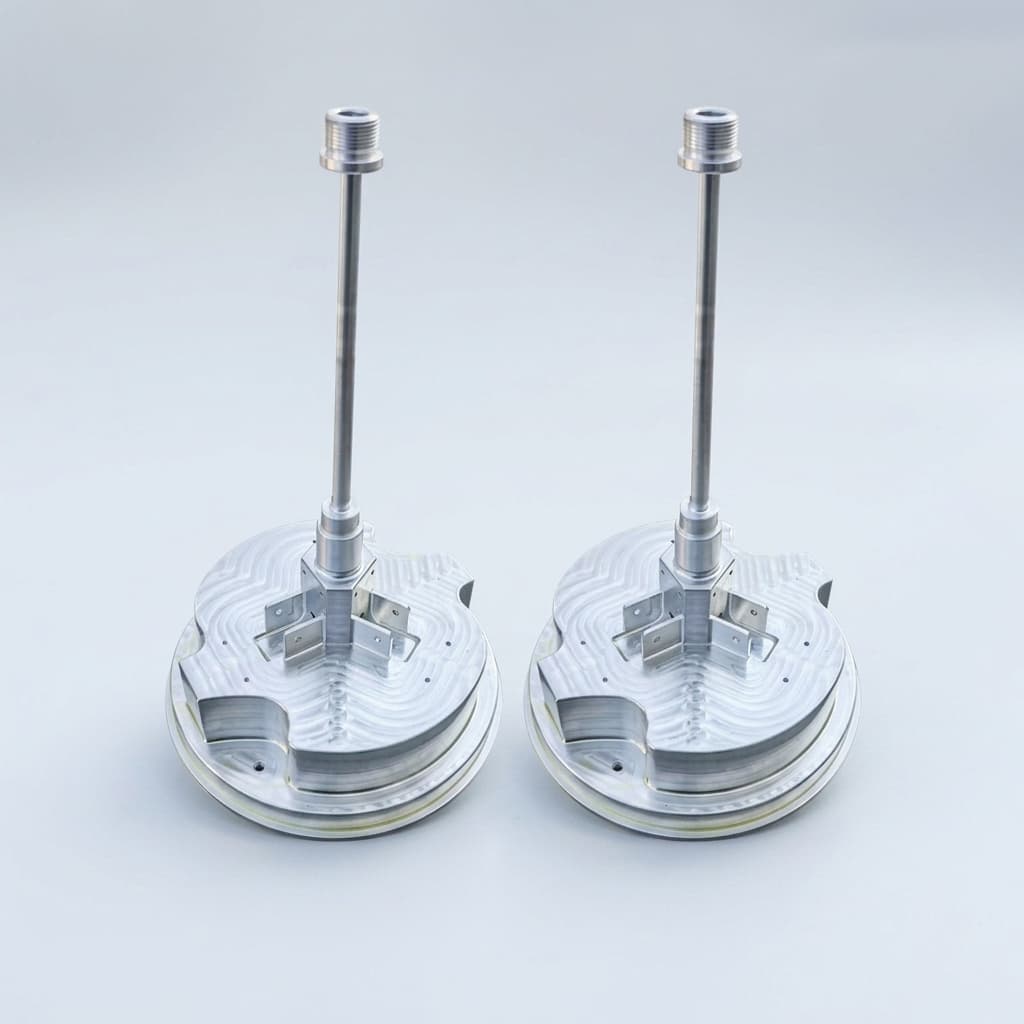
How funded robotics teams can coordinate motors, reducers, encoders, drivers, bearings, housings, harnesses, validation evidence, and export logistics through one custom actuator ODM workflow.
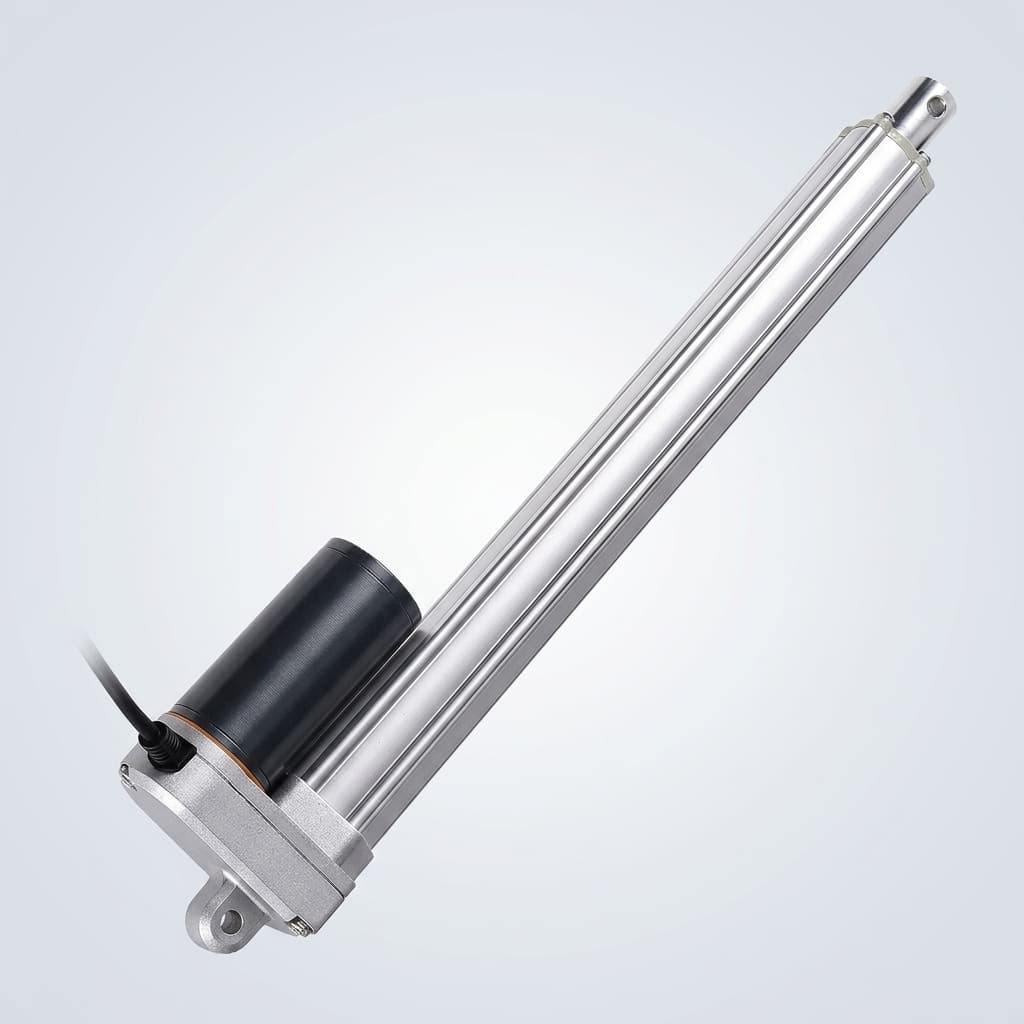
An in-depth engineering analysis on why advanced humanoid robot teams migrate from framed servomotors to frameless torque motors for custom joint actuators to optimize space, weight, and thermal dissipation.
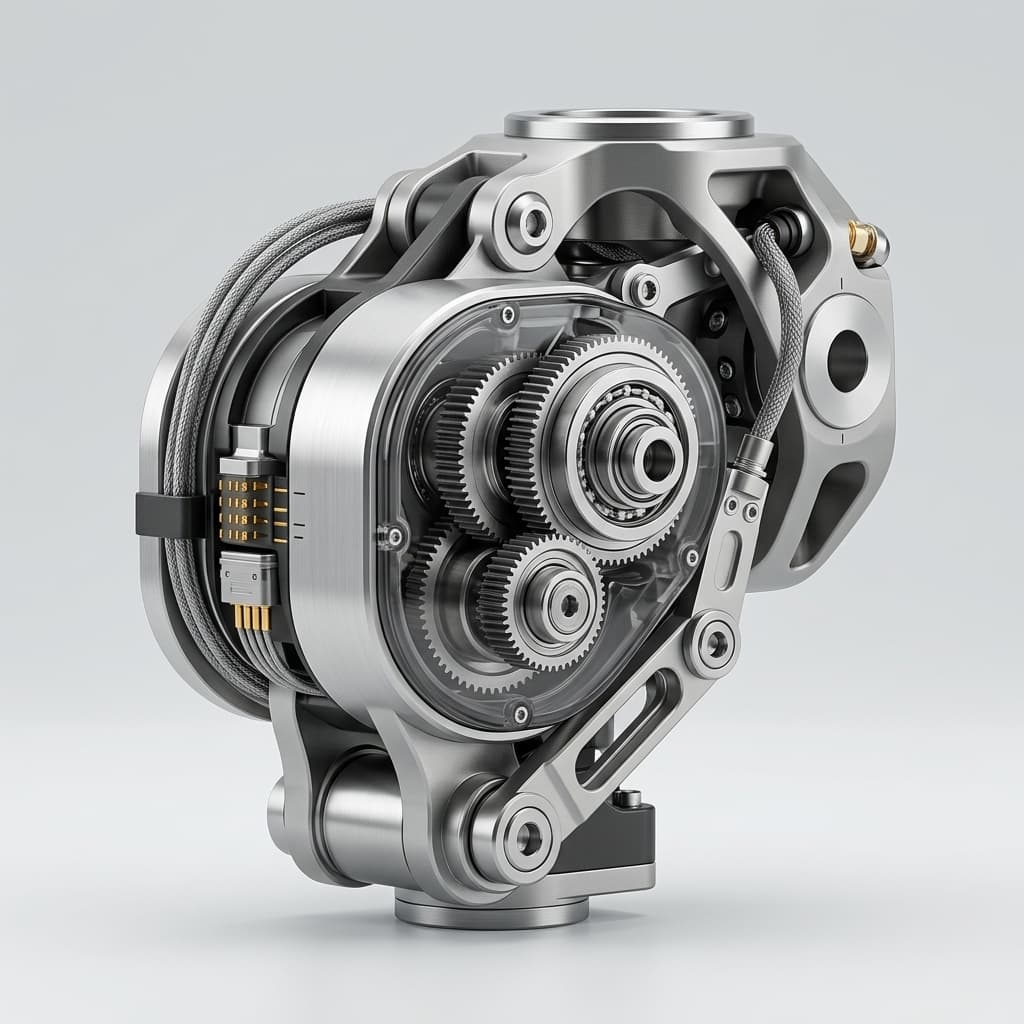
How to evaluate reducer backlash claims for custom humanoid actuators, including preload, reversal method, assembled-joint testing, encoder location, and pilot-batch evidence.
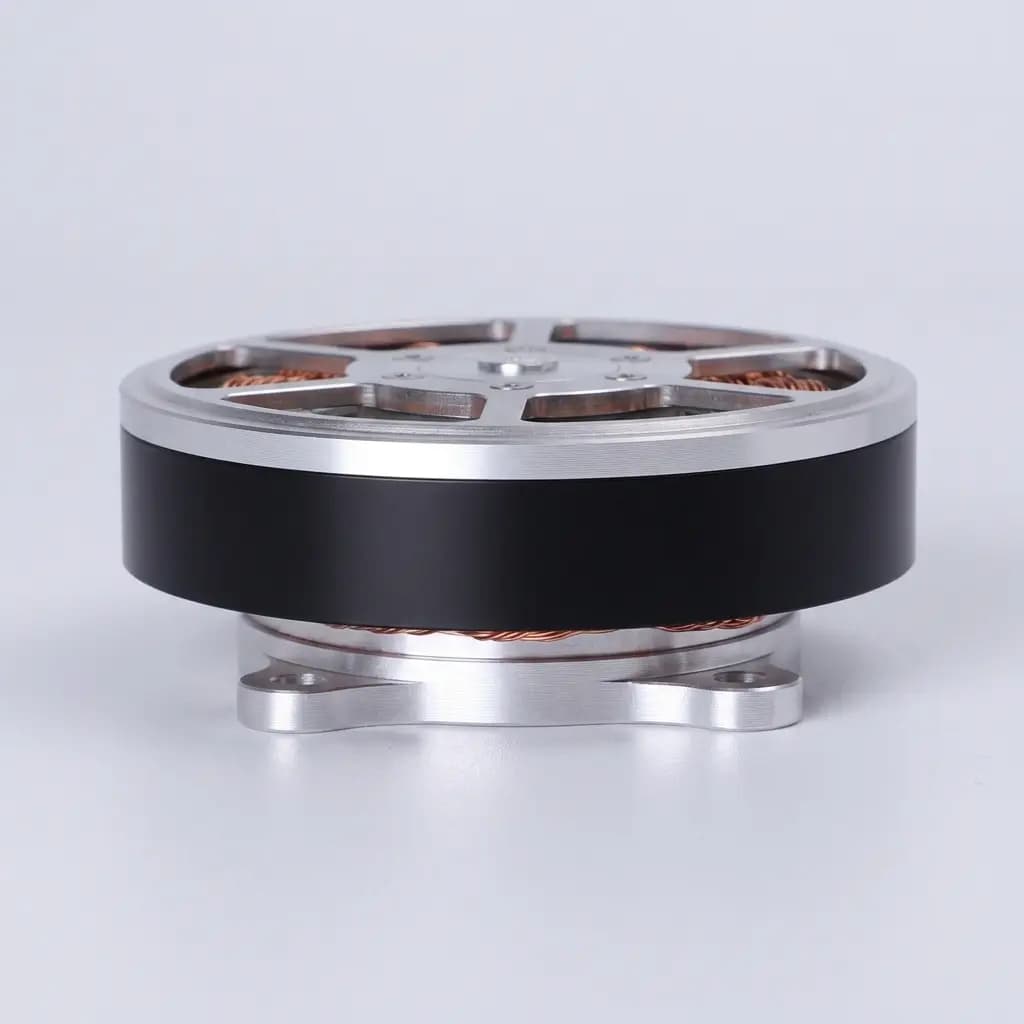
Overcoming impact shock and backdrivability constraints in bipedal robot legs using Quasi-Direct Drive (QDD) custom actuator architectures.