
Best buyer fit
For teams needing compact and quiet upper-body actuators with custom interfaces and cable paths.
Custom compact actuator path for humanoid arms, wrists, necks, dexterous hands, and special manipulation mechanisms.
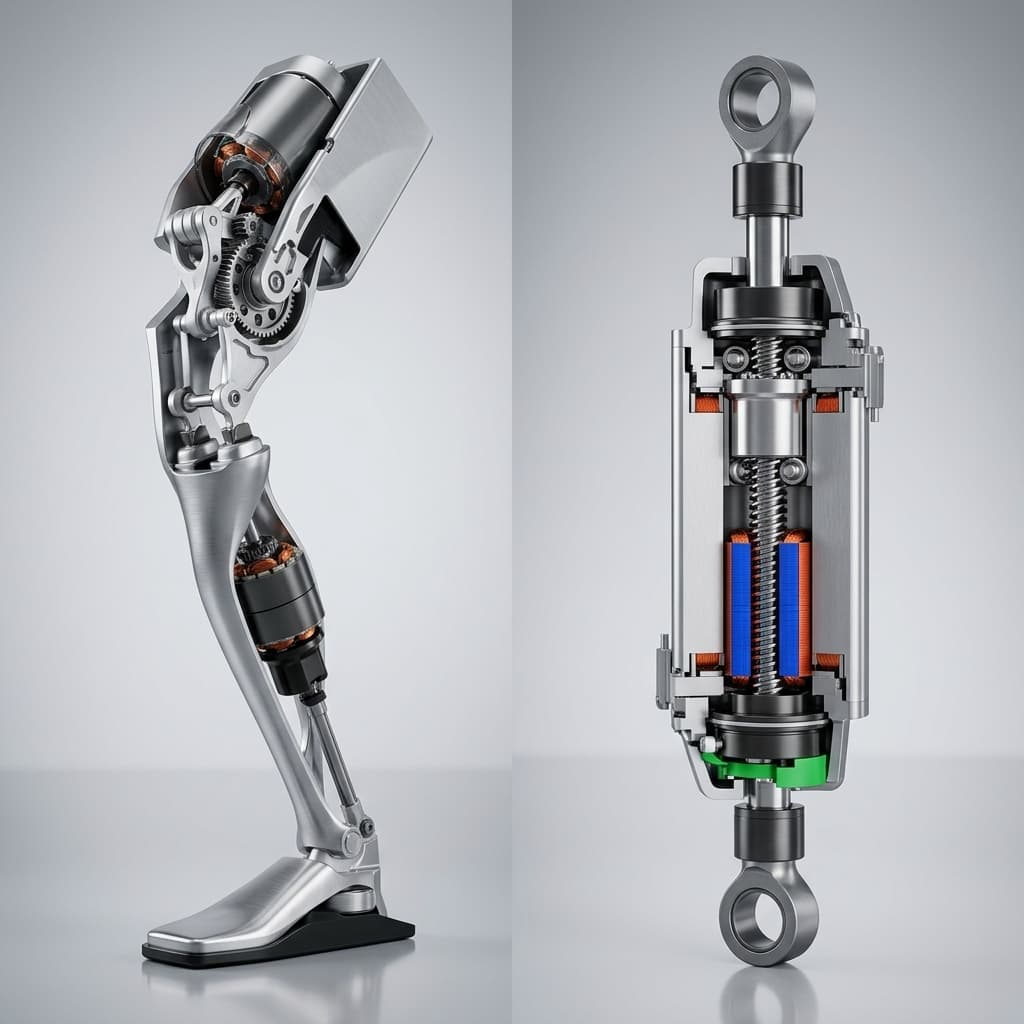
Use this page when the buyer is choosing a development route for a funded humanoid robot program, not browsing a standard actuator catalog.
For teams needing compact and quiet upper-body actuators with custom interfaces and cable paths.
Upper-body mass impact: Joint dependent
A compact module passes no-load tests but fails under manipulation load
| Evaluation Metric | Typical Range | Buyer Relevance |
|---|---|---|
| Upper-body mass impact | Joint dependent | Every gram in the arm or wrist increases the load on upstream shoulder and torso joints. |
| Cable and service access | Straight, side-exit, hollow-shaft, or remote drive | Upper-body actuators often fail integration when harness routing and maintenance access are left until the end. |
| Distal mass budget | Arm, wrist, gripper, finger, and neck dependent | A small mass increase near the hand can force larger shoulder, elbow, and torso actuators upstream. |
Send enough evidence to let engineering qualify feasibility, quotation scope, prototype validation, and pilot readiness in the same review loop.
| Evidence | What to Send | Related Path |
|---|---|---|
| Joint and program baseline | Robot phase, joint map, prototype deadline, pilot date, quantity range, and responsible engineering contact. | RFQ intake |
| Architecture constraints | Motor, reducer, encoder, driver, brake, voltage, control, bearing, housing, cable, and interface constraints. | Product families |
| Load and thermal assumptions | Torque-speed targets, duty cycle, peak load duration, ambient limit, heat path, impact load, and known failure risks. | FEA and thermal review |
| Validation and inspection plan | Torque-speed, backlash, noise, thermal, electrical, dimensional, incoming, in-process, and outgoing inspection needs. | Quality validation |
| Prototype-to-pilot release data | Approved sample reference, drawing revision, BOM revision, test records, CTQ list, pilot quantity, and forecast. | Pilot control |
A solution path should shorten the distance from buyer intent to qualified hardware, while keeping prototype evidence useful for the next build stage.
Confirm the buyer problem, robot phase, custom constraint, and whether this solution path is the right starting point.
Connect the scenario to motor, reducer, encoder, brake, driver, housing, bearing, thermal, and cable decisions.
Define acceptance tests before prototype release so sample feedback can be reused during pilot planning.
Freeze drawings, BOM, CTQ dimensions, inspection gates, packing requirements, and repeat delivery expectations.
This form is prefilled with Humanoid Arm and Hand Actuation. Include CAD, joint map, torque-speed target, duty cycle, envelope limits, prototype quantity, pilot schedule, and acceptance tests.
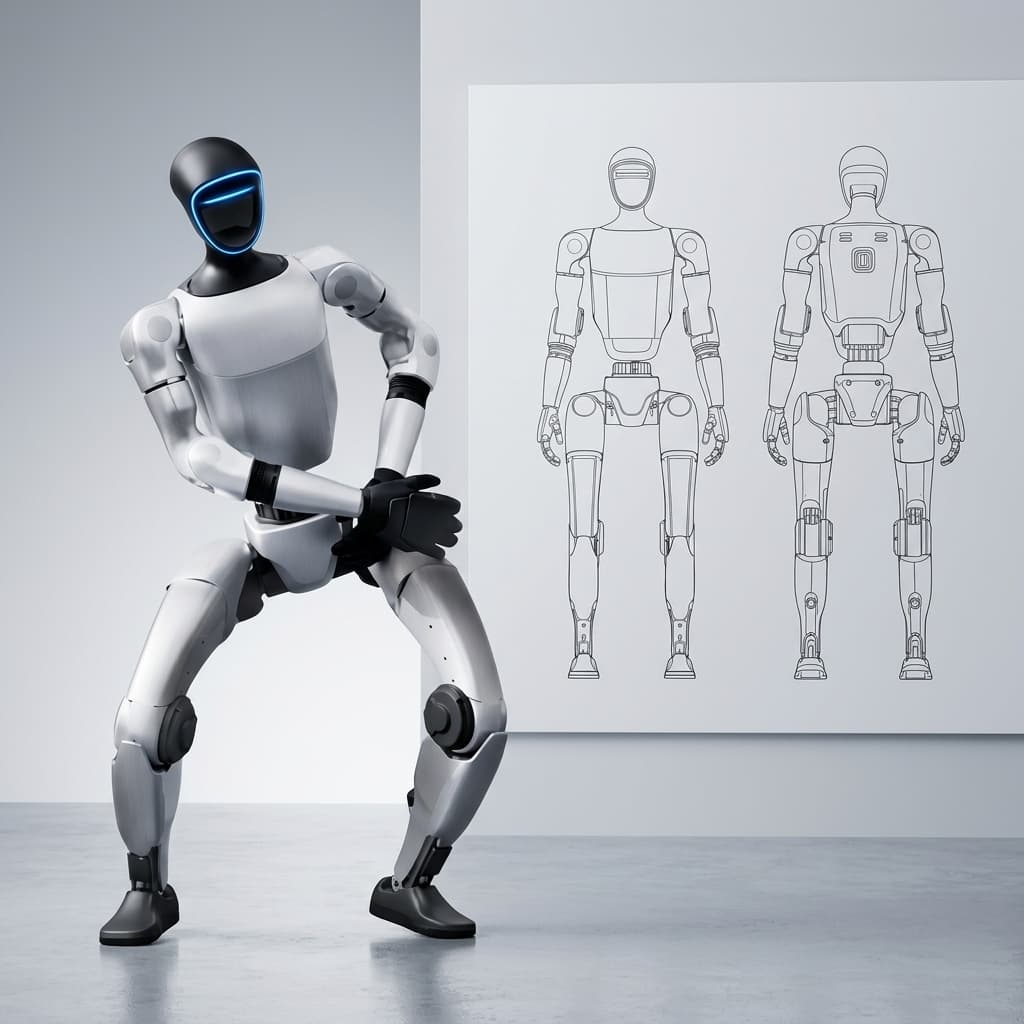
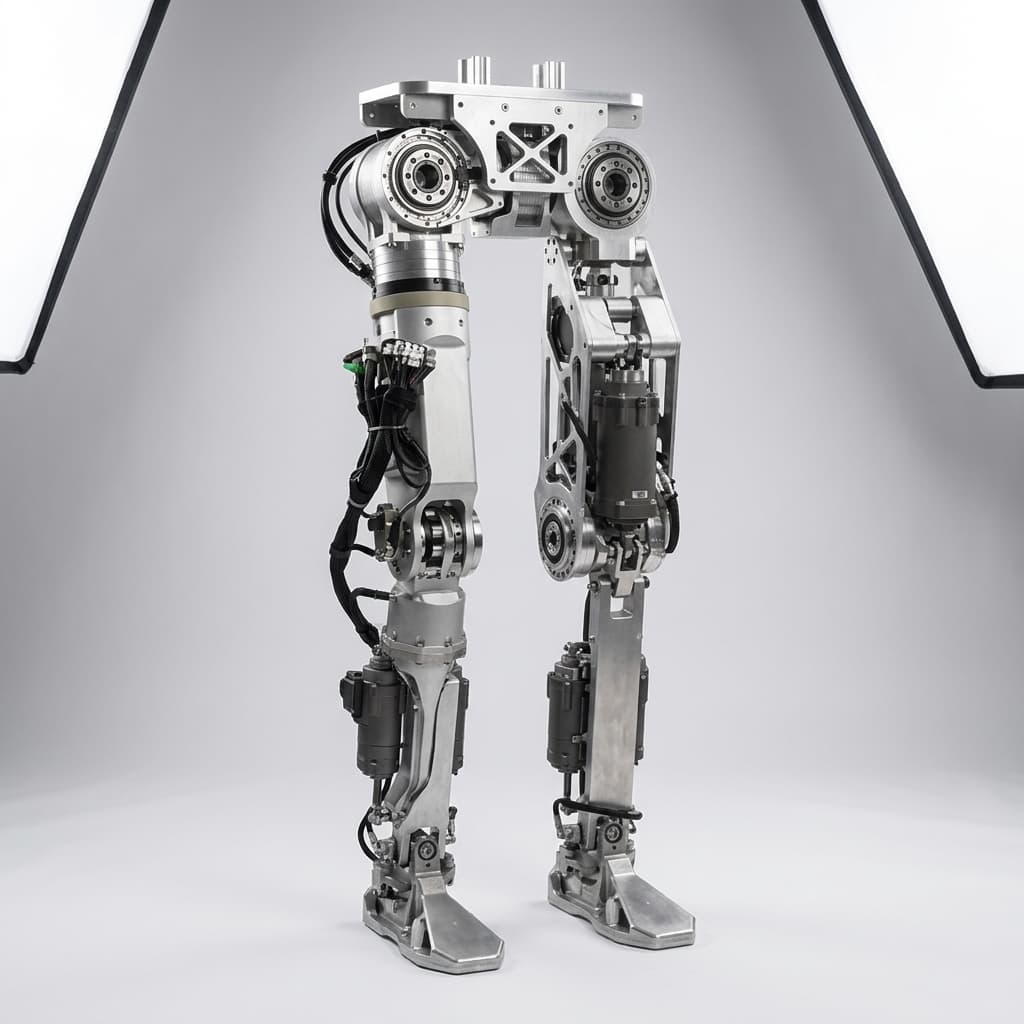
Yes. Send force, stroke, size, cable path, and lifetime expectations so rotary and linear options can be compared.
Sometimes, but manipulation load, distal mass, noise, cable path, and stroke or rotation needs should be checked for each joint group.
Define finger force, stroke, speed, available volume, cable routing, sensing boundary, expected cycle life, and replacement strategy.
Inquiry Email
Include target torque/speed, quantity, and delivery location.
Application Engineer
+8618857971991
Talk directly about drawings, torque-speed targets, and RFQ data gaps.