
Not a model-number catalog
Weak signal: Browsing for a fixed servo SKU before the joint load case is clear.
RFQ baseline: Start with joint position, torque-speed target, duty cycle, overload case, envelope, and validation gate.
Custom humanoid actuator ODM categories for professional robotics teams, from drawing-driven rotary joint modules to QDD stacks, leg actuators, compact upper-limb modules, dexterous hand micro actuators, hollow-shaft packages, reducer architectures, linear integrations, and precision housings.
Use this page as a pre-RFQ navigator: pick the product family, capture the correct engineering inputs, reject generic catalog paths early, and move directly to sample validation criteria that buyers can approve.
The strongest fit is a funded humanoid team that already has a joint concept, drawing pack, pilot target, and pressure to turn nonstandard actuator constraints into manufacturable hardware.
Weak signal: Browsing for a fixed servo SKU before the joint load case is clear.
RFQ baseline: Start with joint position, torque-speed target, duty cycle, overload case, envelope, and validation gate.
Weak signal: Asking for hobby samples, broad actuator categories, or price before drawings.
RFQ baseline: Use this page when the team has CAD, budget, schedule pressure, and a custom humanoid actuator program.
Weak signal: Treating QDD, hollow-shaft, reducer, housing, and hand actuators as isolated components.
RFQ baseline: Request DFM questions, FAI/CMM checks, backlash or thermal evidence, and pilot acceptance criteria with the RFQ.
Use the product family as a routing decision. Each path should produce engineering questions, evidence requests, and pilot acceptance criteria instead of a generic sample list.
| Product Path | Start Here When | First Proof to Request |
|---|---|---|
| Complete rotary joint module | The buyer wants one ODM owner across motor, reducer, encoder, brake, driver, housing, harness, and assembly. | Architecture trade-off, drawing revision plan, torque-speed test, thermal rise, backlash, and outgoing inspection. |
| QDD or backdrivable joint | The joint needs compliance, force control, low ratio, or low mechanical impedance rather than only high holding torque. | Peak/continuous torque, reflected inertia, encoder strategy, torque sensing, heat path, and control assumptions. |
| Leg, hip, knee, and ankle actuator | The lower body sees high load, brake behavior, impact events, and continuous thermal stress. | Moment load, radial/axial load, impact case, brake release behavior, bearing preload, and gait-duty validation. |
| Dexterous hand micro actuator | Finger, thumb, tendon, pushrod, or miniature linear constraints make catalog motors too large or fragile. | Force-stroke map, stall time, cable fatigue, sensor durability, cycle-life target, and service access. |
| Frameless or hollow-shaft stack | The robot shell requires cable-through routing, special bore, short axial length, or custom stator/rotor packaging. | Usable hollow-bore clearance, air-gap control, encoder runout, bearing stack, cable bend radius, and heat path. |
| Reducer architecture and precision housing | The team is choosing between harmonic, cycloidal, planetary, compound, linear, or custom reducer paths. | Backlash, torsional stiffness, shock behavior, lubrication, datum stack, FAI/CMM, and pilot inspection coverage. |
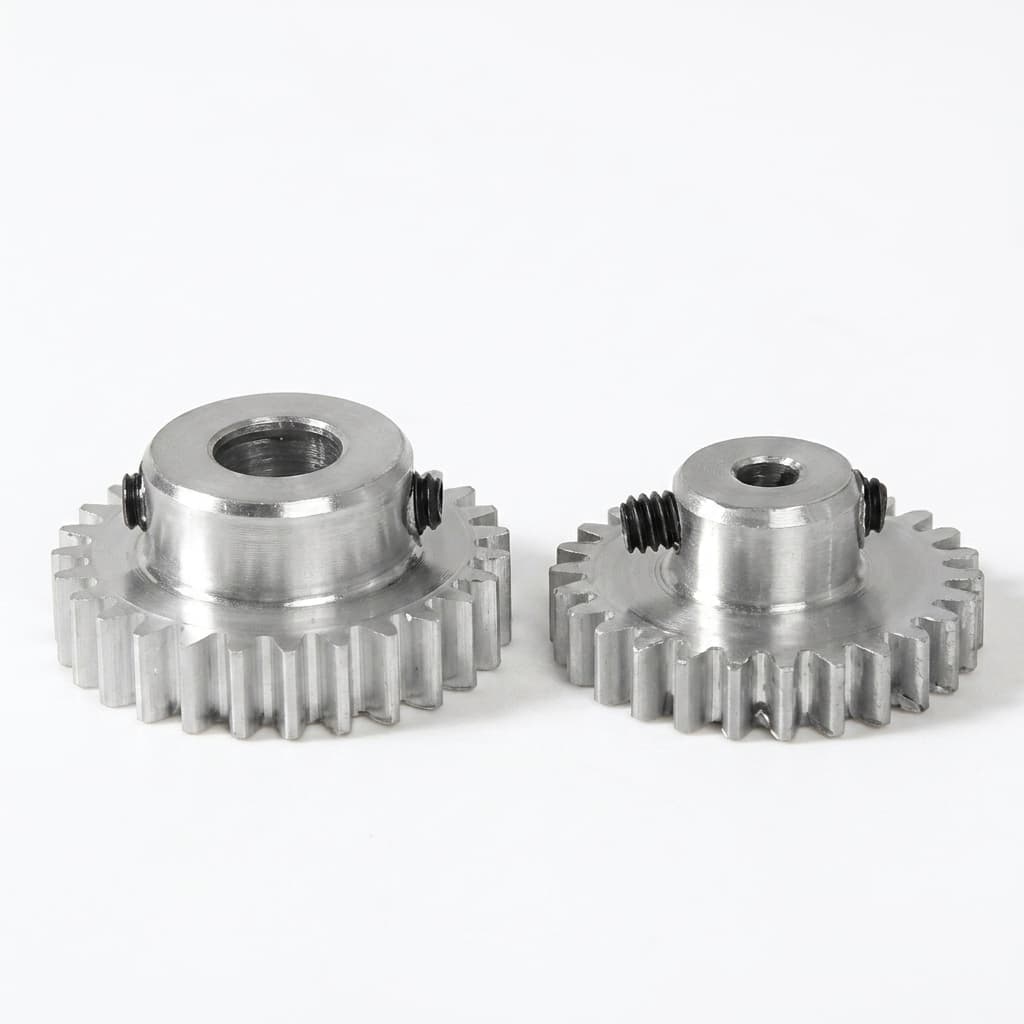
ODM-built humanoid robot actuator modules for teams that already have a joint envelope, torque target, and integration constraints but need a manufacturing partner to turn drawings into prototype, pilot, and production hardware.
Best for professional humanoid robot teams with CAD, joint maps, and funding that need a custom actuator supplier instead of a simple catalog sample.
Best use: Humanoid robot hip, knee, ankle, shoulder, elbow, wrist, and neck joints
First metric: Custom envelope fit - Customer drawing driven
Control before pilot: A prototype meets peak torque but overheats during repeated walking or lifting cycles
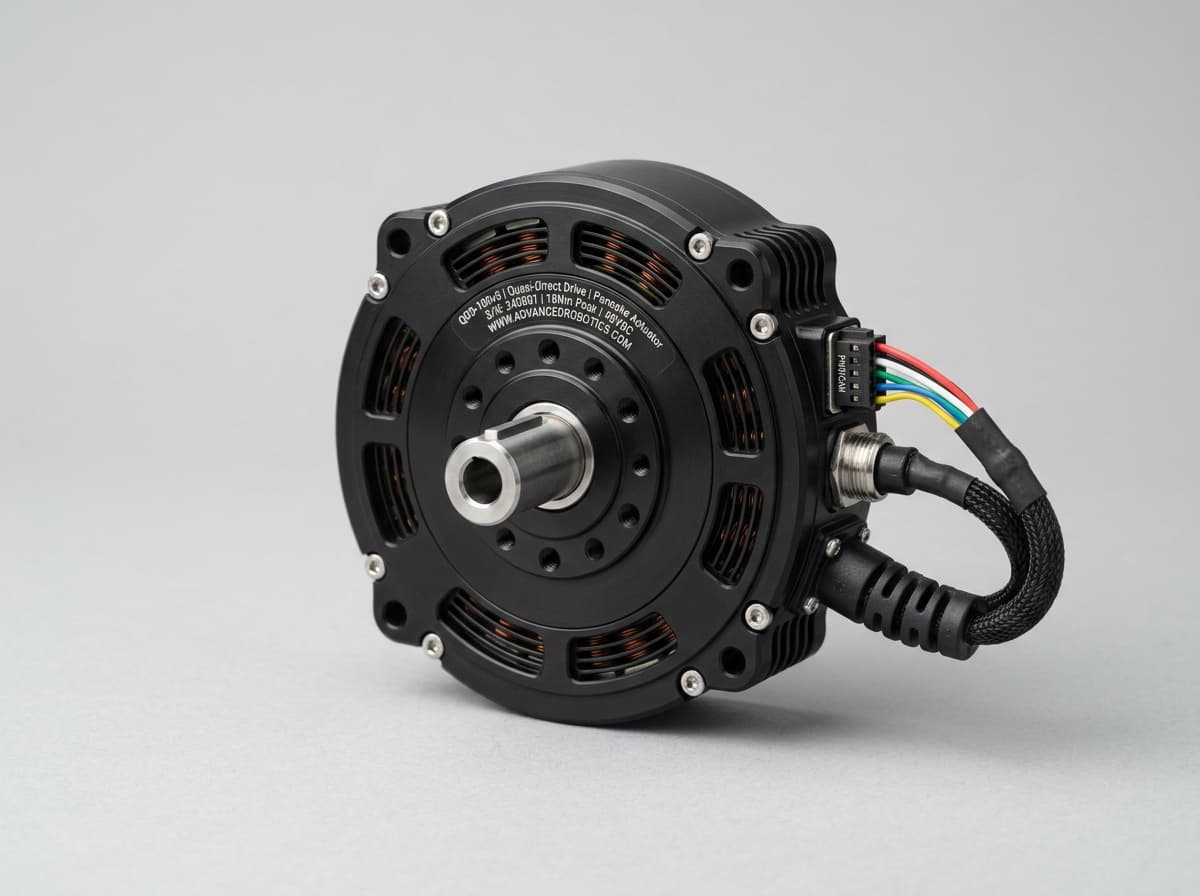
Custom quasi-direct-drive humanoid actuator modules for compliant joints that need high torque density, low reflected inertia, backdrivability, and compact mechanical packaging.
For teams choosing QDD because they need torque response and mechanical compliance, but cannot accept an off-the-shelf actuator envelope.
Best use: Backdrivable humanoid leg joints
First metric: Reduction ratio - Low-ratio custom selection
Control before pilot: A low-ratio QDD module cannot hold static load without excessive heating
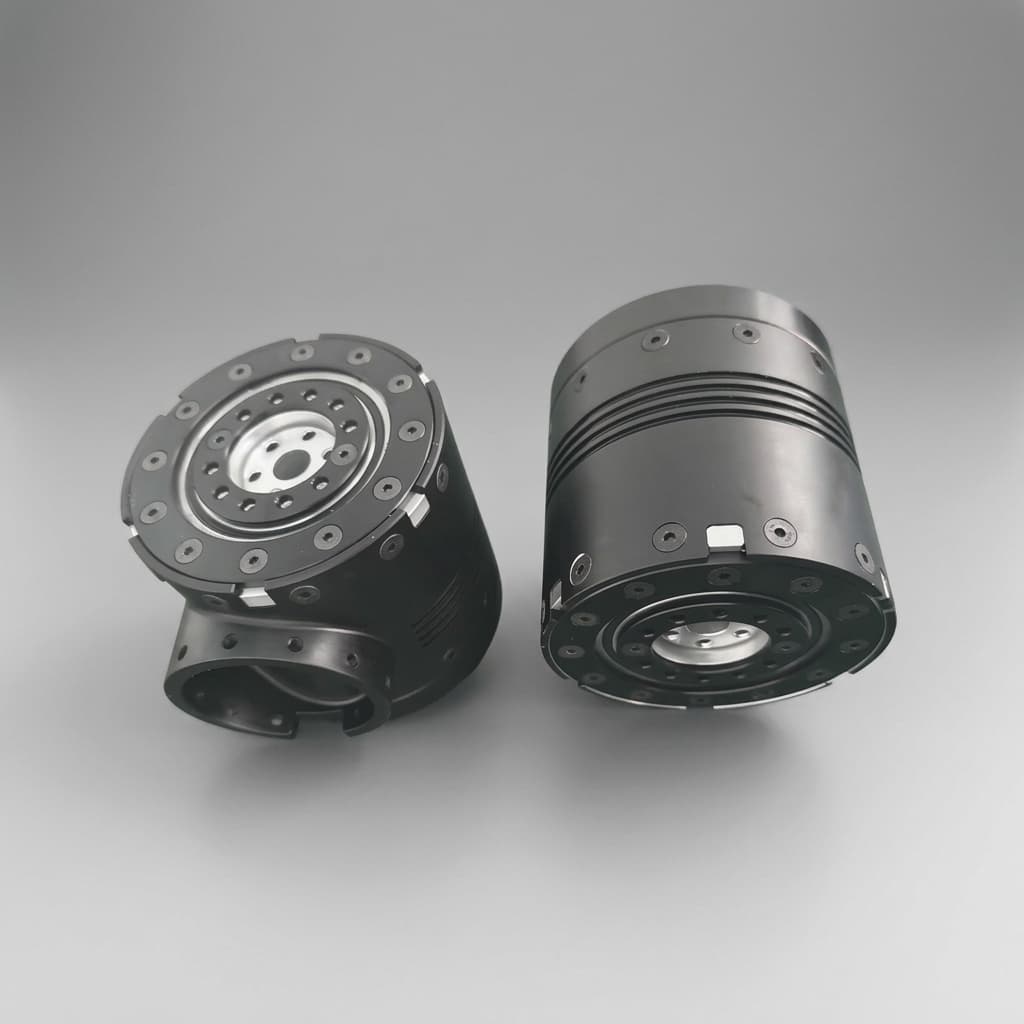
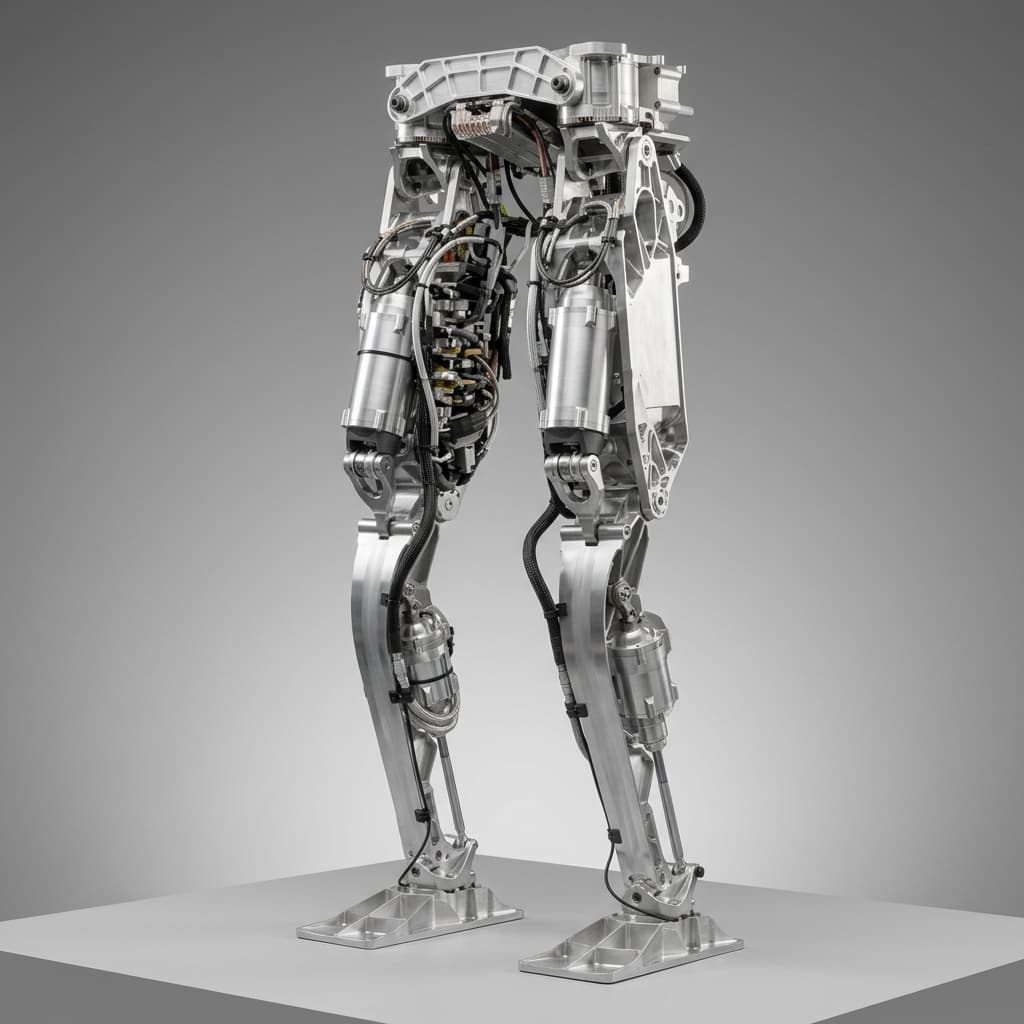
Custom hip, knee, and ankle actuator manufacturing support for bipedal robots where impact load, holding torque, thermal derating, braking, and output stiffness drive the design.
For robotics teams building serious bipedal platforms where catalog samples are too weak, too long, or thermally unstable.
Best use: Humanoid hip and knee actuator modules
First metric: Peak overload - Gait and fall-event dependent
Control before pilot: Output shaft play appears after impact or long gait cycles
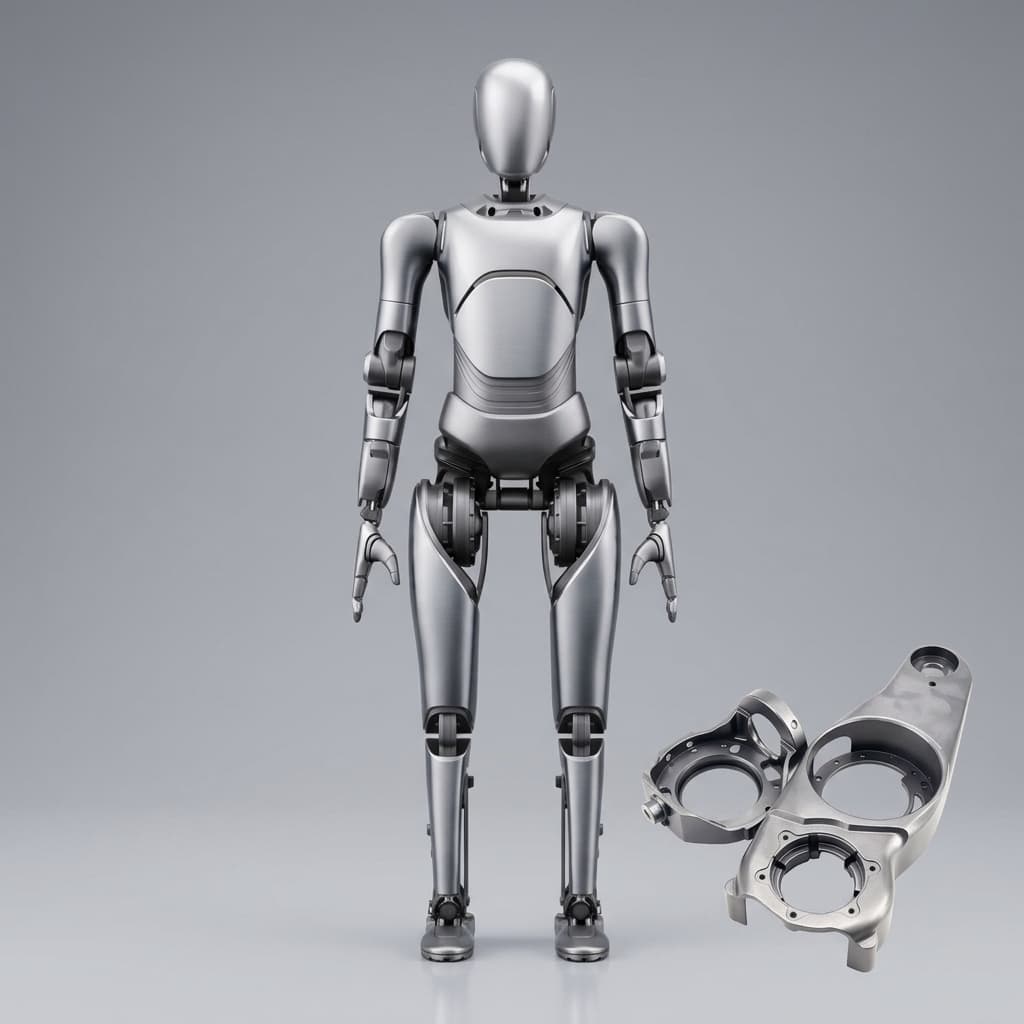
Custom compact actuator modules for humanoid arms, wrists, elbows, shoulders, necks, and hands where low mass, quiet motion, cable routing, and fine control matter.
For teams that need a professional upper-limb actuator supplier to solve space, mass, cable path, and repeatability constraints.
Best use: Humanoid shoulder, elbow, wrist, and neck joints
First metric: Mass budget - Upper-body joint dependent
Control before pilot: The actuator fits one side but fails mirrored left/right assembly
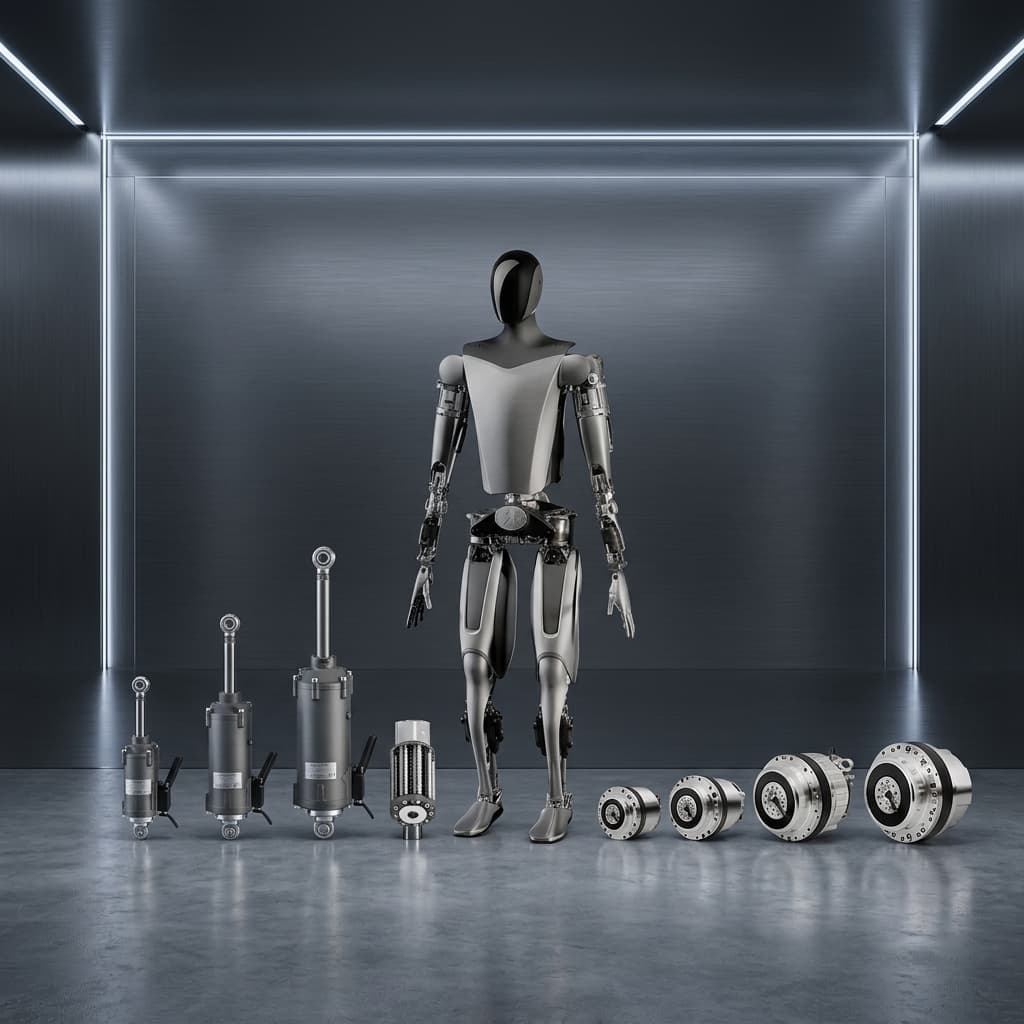
Custom integration support for humanoid linear actuators using roller screw, lead screw, ball screw, pushrod, or compact linkage-driven architectures where force, stroke, guide support, backlash, side load, and heat rise must be validated together.
For humanoid teams that need custom linear motion hardware where rotary catalog joints cannot meet stroke, force, or packaging requirements.
Best use: Humanoid hand and finger actuation
First metric: Stroke-force envelope - Finger pushrod to leg-assist dependent
Control before pilot: Miniature screw assembly binds under side load
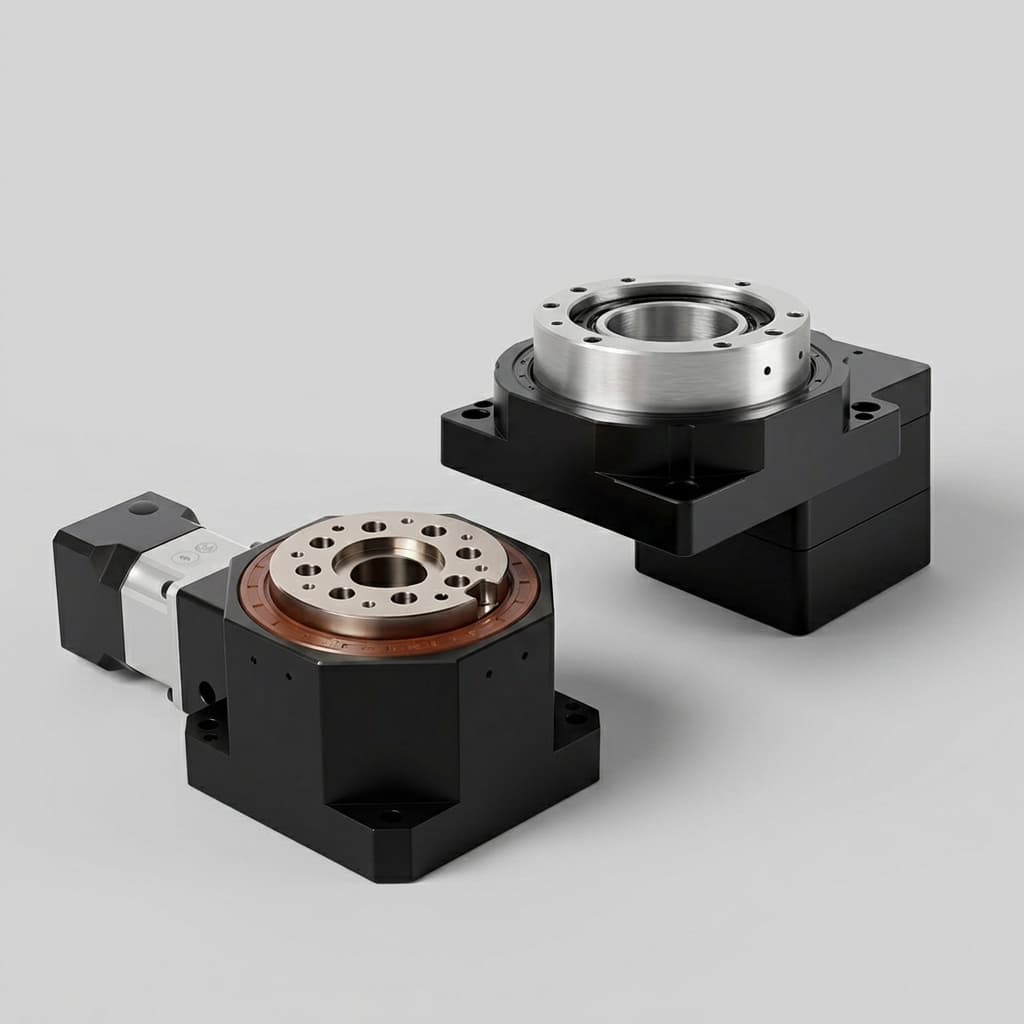
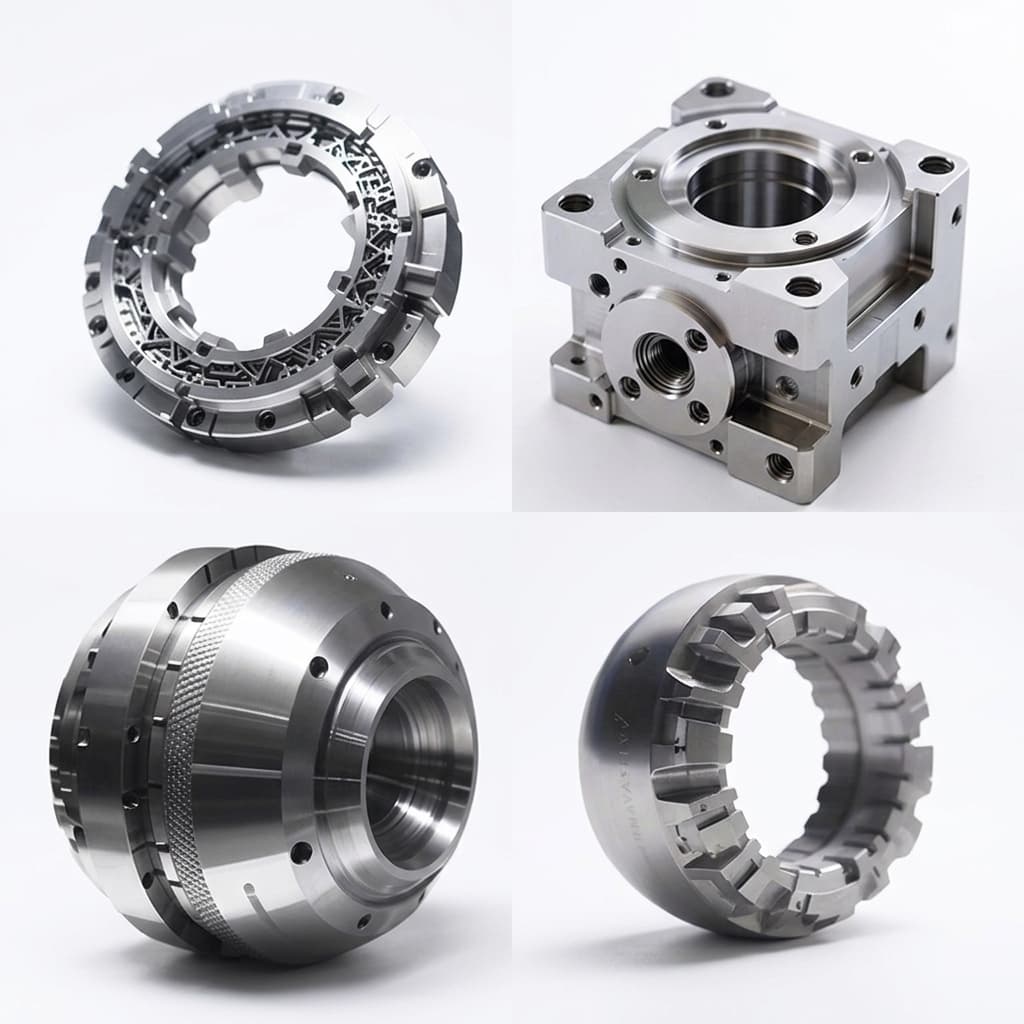
Precision machined actuator housings, flanges, output interfaces, torque sensor carriers, bearing seats, and thermal structures for custom humanoid joint modules.
For teams that already own the motor/control concept but need high-precision mechanical execution for custom humanoid actuator packaging.
Best use: Custom humanoid actuator housings
First metric: Bearing fit tolerance - Drawing dependent
Control before pilot: Tolerance stack causes assembly drag or output runout
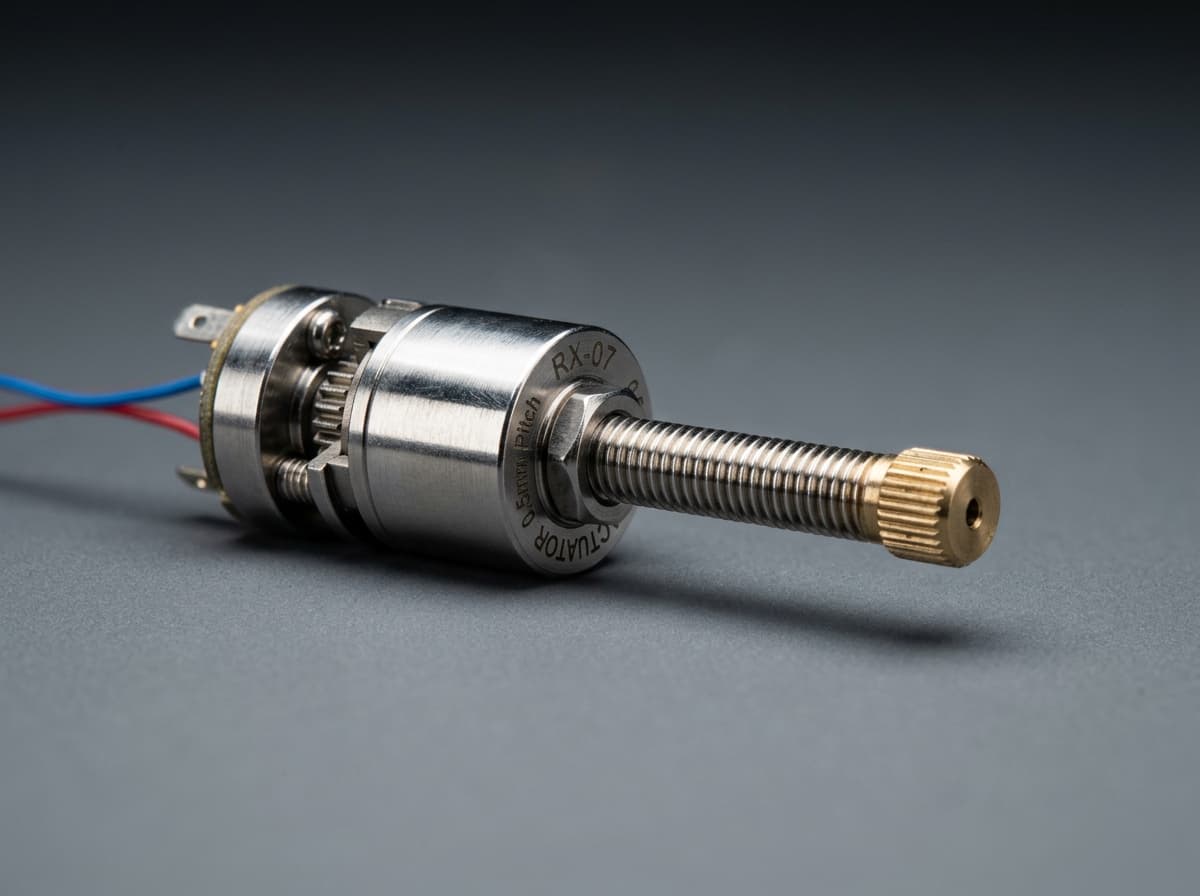
Custom micro actuator development for humanoid fingers, thumb mechanisms, tendon drives, Bowden tube layouts, pushrod modules, and compact end-effectors where sub-16 mm class packaging, force, stroke, sensing, cable life, and thermal margin must be solved together.
For robotics teams that need custom hand actuation with clear CAD envelopes, force/stroke targets, tendon or pushrod routing, and life-test expectations, not consumer-grade hobby servos.
Best use: Dexterous humanoid hands and finger joints
First metric: Sub-16 mm class package fit - Finger geometry and mechanism dependent
Control before pilot: A micro actuator meets no-load speed but overheats or stalls under real fingertip force
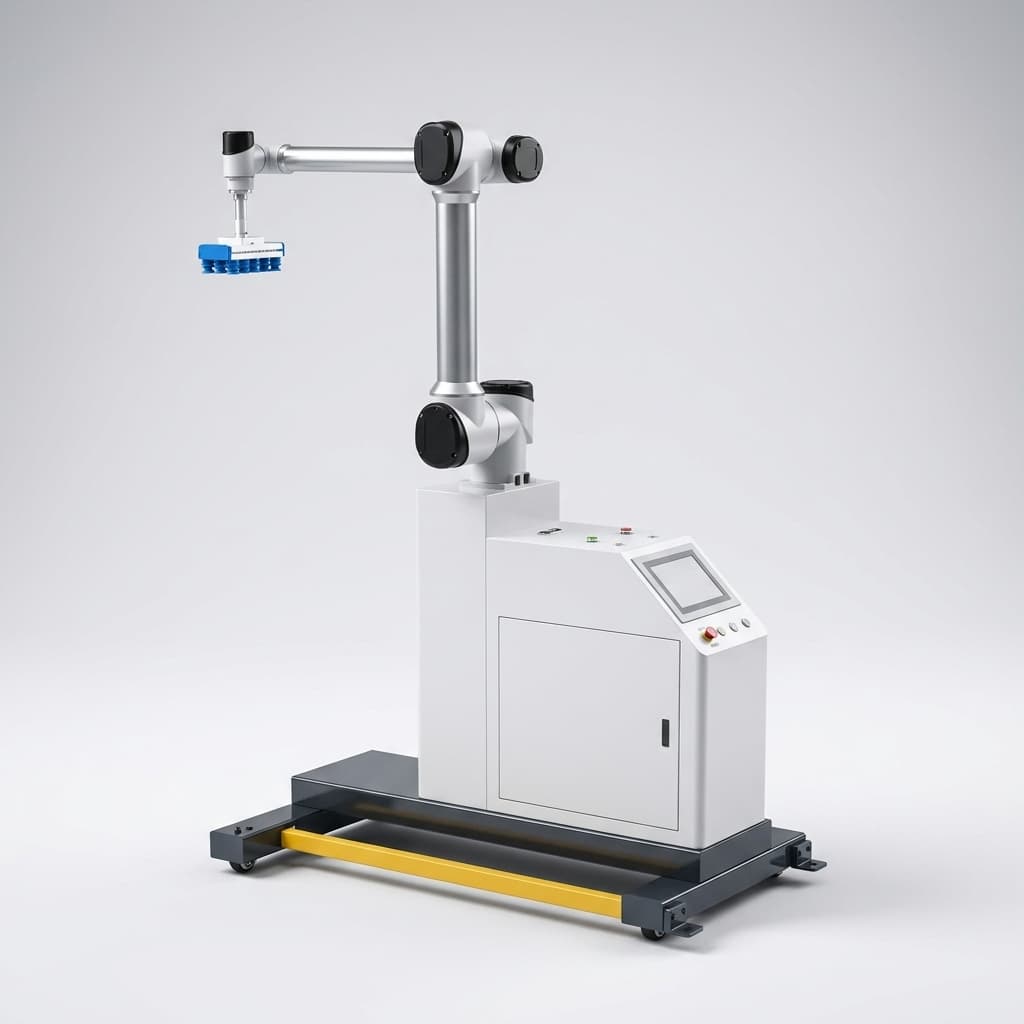
Custom actuator stacks built around frameless torque motors, hollow shafts, compact bearings, reducers, encoders, brakes, drivers, and cable pass-through constraints for humanoid joints that need high torque density without losing serviceable routing space.
For teams that know a catalog actuator is close electrically but not acceptable mechanically because cable path, hollow bore, length, or mounting geometry is wrong.
Best use: Cable-through shoulder, hip, waist, wrist, and neck joints
First metric: Hollow-bore usable space - Cable and bearing stack dependent
Control before pilot: A frameless motor kit performs well on a bench but loses torque margin inside the robot shell
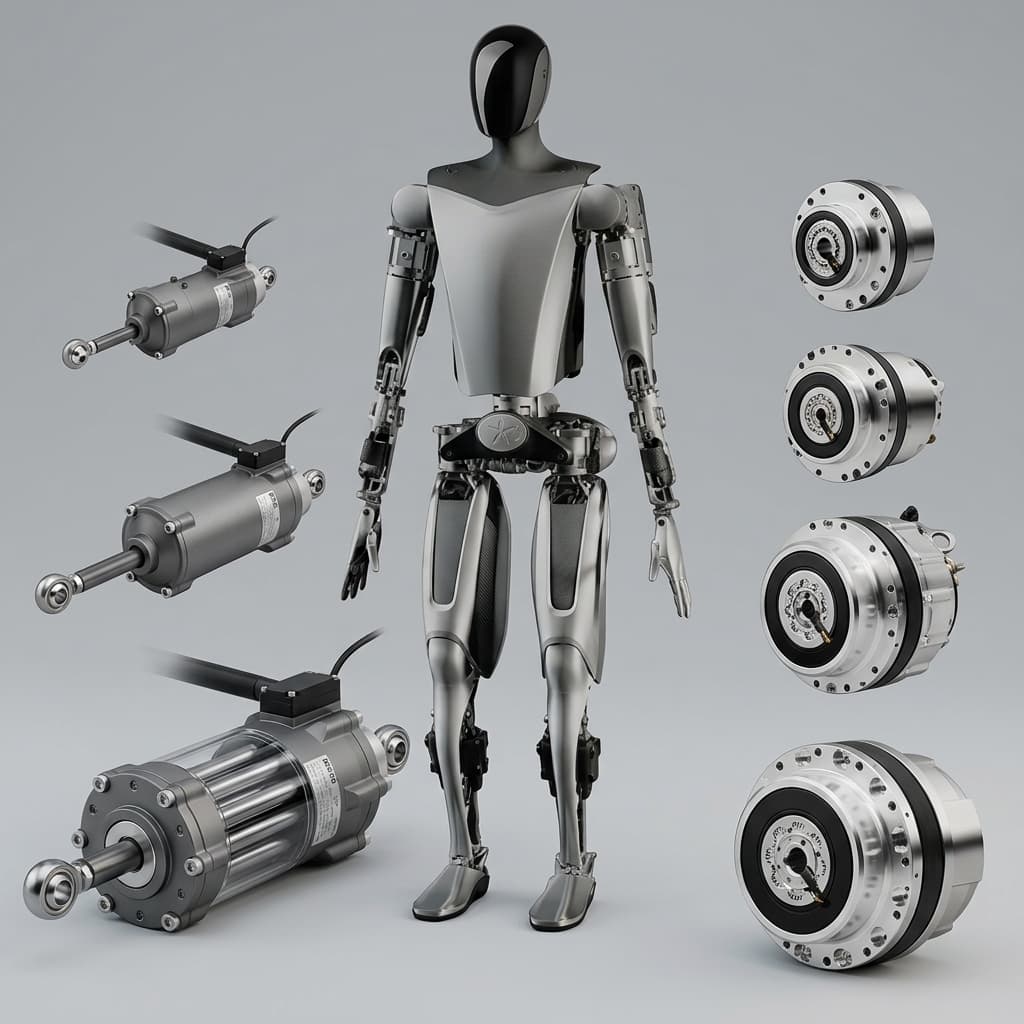
Reducer architecture selection and custom integration support for humanoid actuators, including harmonic, cycloidal, planetary, compound, and linear transmission paths matched against joint load, backlash, impact, efficiency, noise, size, and sourcing risk.
For teams that need help choosing or customizing the reducer path before committing actuator drawings, supplier qualification, and pilot tooling.
Best use: High torque humanoid leg and waist actuators
First metric: Backlash and repeatability - Reducer type and preload dependent
Control before pilot: Reducer selection is based only on rated torque and misses backlash, heat, noise, or shock behavior
| Product Family | Primary Buyer Focus | Key Metric | Why It Matters |
|---|---|---|---|
| Custom Humanoid Actuator Modules | Best for professional humanoid robot teams with CAD, joint maps, and funding that need a custom actuator supplier instead of a simple catalog sample. | Custom envelope fit: Customer drawing driven | Most funded humanoid projects fail with catalog actuators because axial length, cable exit, bearing support, or mounting geometry does not match the robot body. |
| Custom QDD Humanoid Actuators | For teams choosing QDD because they need torque response and mechanical compliance, but cannot accept an off-the-shelf actuator envelope. | Reduction ratio: Low-ratio custom selection | The ratio defines torque multiplication, backdrivability, reflected inertia, and control bandwidth. |
| Custom Humanoid Leg Actuators | For robotics teams building serious bipedal platforms where catalog samples are too weak, too long, or thermally unstable. | Peak overload: Gait and fall-event dependent | Leg actuators see short high-load events that can destroy reducers or bearings if sized from nominal torque only. |
| Compact Humanoid Arm and Wrist Actuators | For teams that need a professional upper-limb actuator supplier to solve space, mass, cable path, and repeatability constraints. | Mass budget: Upper-body joint dependent | Arm and wrist mass affects payload, dynamic control, battery life, and the sizing of upstream shoulder joints. |
| Humanoid Linear Actuator Integration | For humanoid teams that need custom linear motion hardware where rotary catalog joints cannot meet stroke, force, or packaging requirements. | Stroke-force envelope: Finger pushrod to leg-assist dependent | Linear actuator selection must balance force, speed, length, screw efficiency, and heat generation. |
| Custom Humanoid Actuator Housings and Interfaces | For teams that already own the motor/control concept but need high-precision mechanical execution for custom humanoid actuator packaging. | Bearing fit tolerance: Drawing dependent | Small errors in bearing seats or concentricity can cause noise, heat, and joint wobble in compact actuators. |
| Dexterous Hand Micro Actuators | For robotics teams that need custom hand actuation with clear CAD envelopes, force/stroke targets, tendon or pushrod routing, and life-test expectations, not consumer-grade hobby servos. | Sub-16 mm class package fit: Finger geometry and mechanism dependent | Dexterous hands often fail at the envelope level before torque calculations matter because motor, gearbox, sensor, cable, and housing cannot all occupy the finger volume. |
| Frameless and Hollow Shaft Humanoid Actuators | For teams that know a catalog actuator is close electrically but not acceptable mechanically because cable path, hollow bore, length, or mounting geometry is wrong. | Hollow-bore usable space: Cable and bearing stack dependent | A nominal hollow shaft is not enough; the usable cable path must survive bearings, encoder, fasteners, strain relief, and assembly access. |
| Custom Humanoid Reducer Architectures | For teams that need help choosing or customizing the reducer path before committing actuator drawings, supplier qualification, and pilot tooling. | Backlash and repeatability: Reducer type and preload dependent | Humanoid balance, arm positioning, and hand control can degrade quickly when backlash is treated as a catalog number instead of an assembled-joint condition. |
These inputs keep the inquiry aligned with serious custom ODM work and screen out low-intent catalog requests.
Joint map with hip, knee, ankle, shoulder, elbow, wrist, hand, neck, waist, or special-axis responsibility.
3D CAD, 2D drawings, envelope limits, output interface, bearing strategy, cable path, connector space, and revision state.
Peak torque, continuous torque, speed, duty cycle, overload or stall event, ambient condition, and cooling boundary.
Voltage, protocol, encoder, brake, driver location, harness requirement, and any approved or restricted component choices.
Prototype quantity, target sample date, pilot forecast, evidence needs, acceptance tests, and destination country.
| Evidence Path | Use It When |
|---|---|
| Drawing-to-Production ODM | Use when the program needs revision control, DFM questions, NRE scope, and prototype-to-pilot handoff. |
| Precision Machining and Metrology | Use when bearing seats, flanges, housings, shafts, datum control, FAI, or CMM records are central. |
| Quality and Engineering Validation | Use when buyers need torque-speed, thermal, backlash, FCT, burn-in, traceability, or pilot release evidence. |
| Thermal Derating Guide | Use when the product family looks acceptable at peak torque but continuous duty is uncertain. |
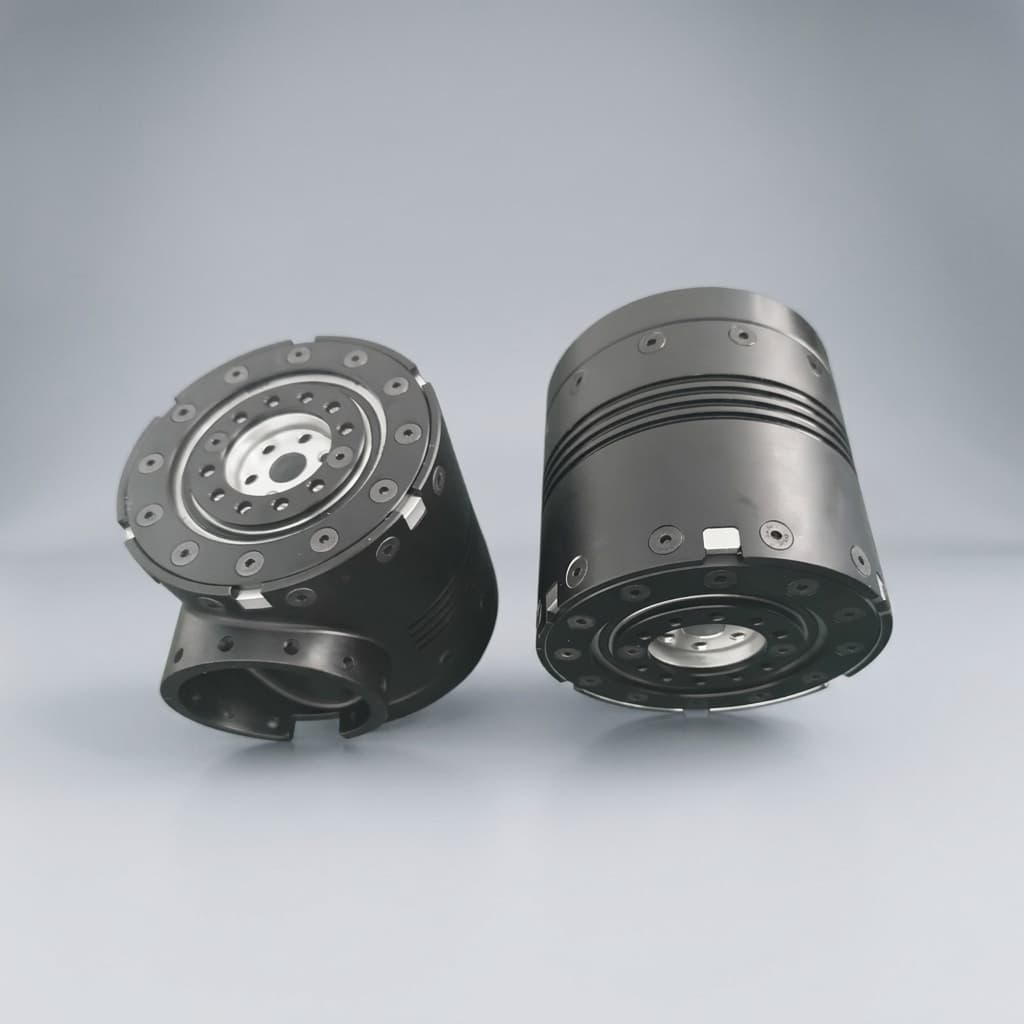
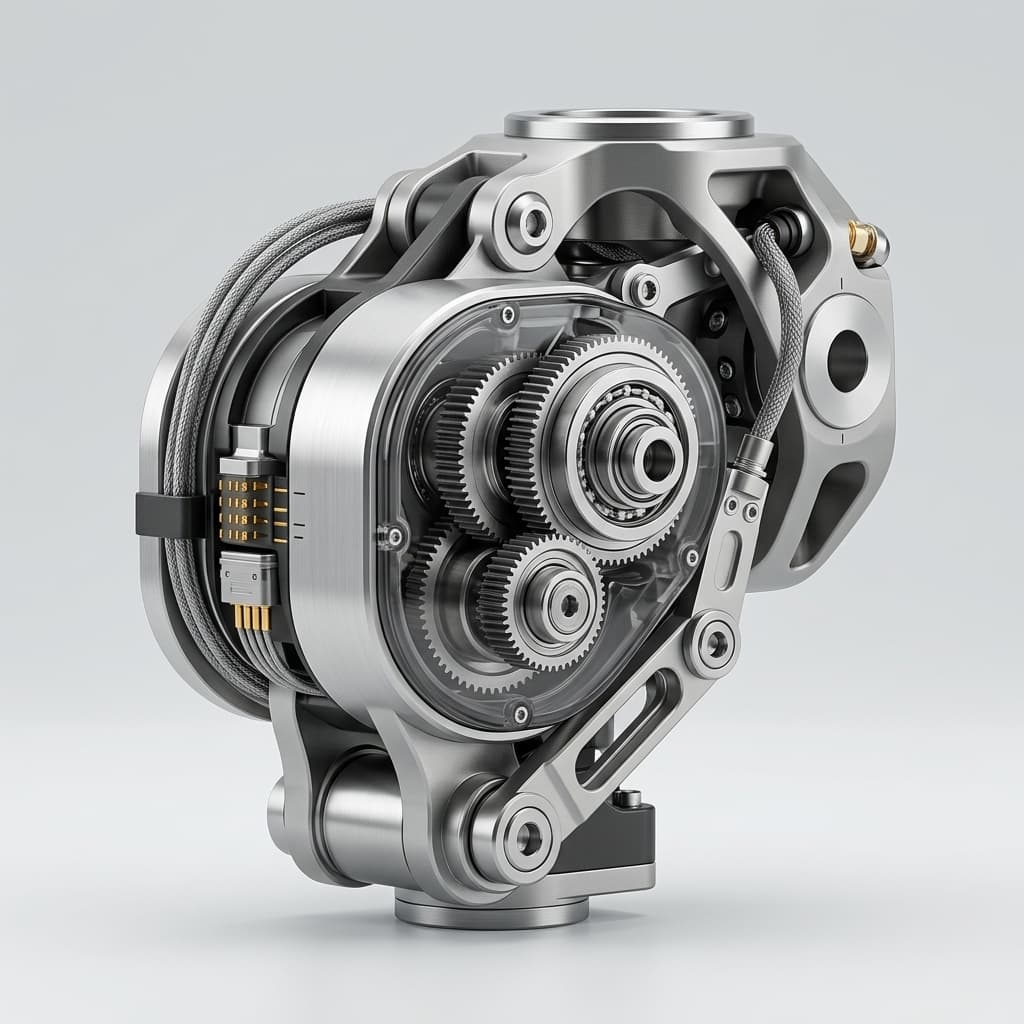
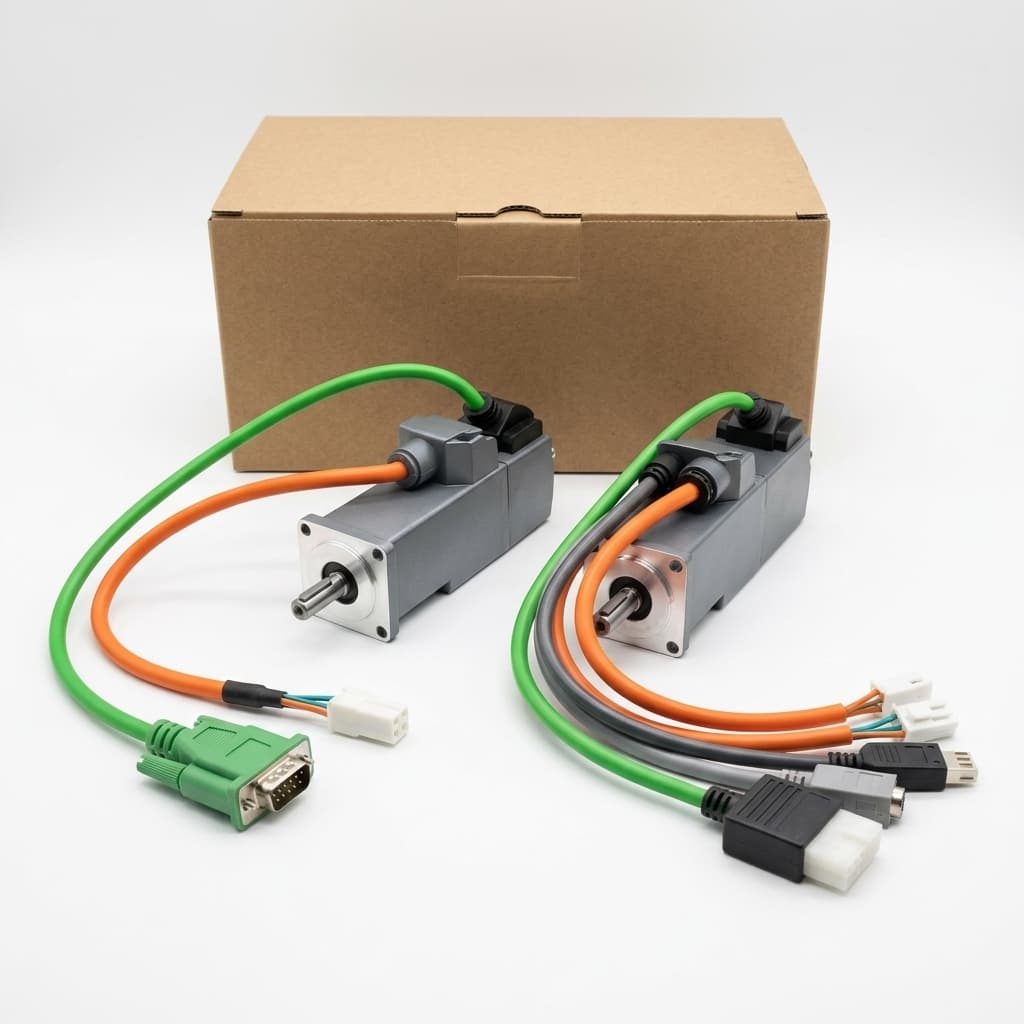
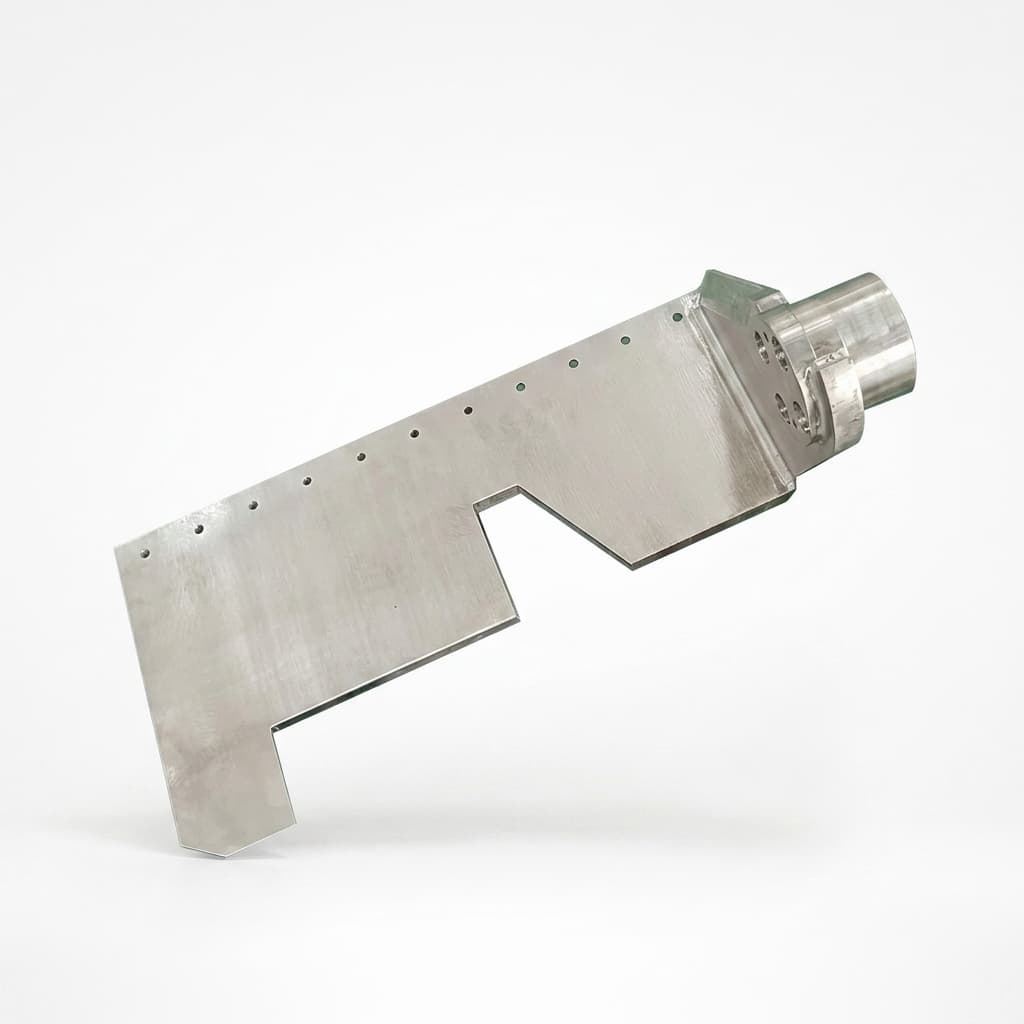
A selection of custom actuator modules, housings, sensor interfaces, and ODM integration references for RFQ discussion.
Complete RFQs are targeted for technical receipt within one business day.
Initial manufacturability and thermal questions after baseline data is complete.
Scope, NRE, lead-time risk, and evidence direction after engineering review.
Inquiry Email
Include target torque/speed, quantity, and delivery location.
Application Engineer
+8618857971991
Talk directly about drawings, torque-speed targets, and RFQ data gaps.