
Best buyer fit
For teams that already have working actuator samples and need manufacturing discipline for the next build stage.
Manufacturing control path for custom humanoid actuator programs that need to move from samples to stable pilot batches and repeat production.
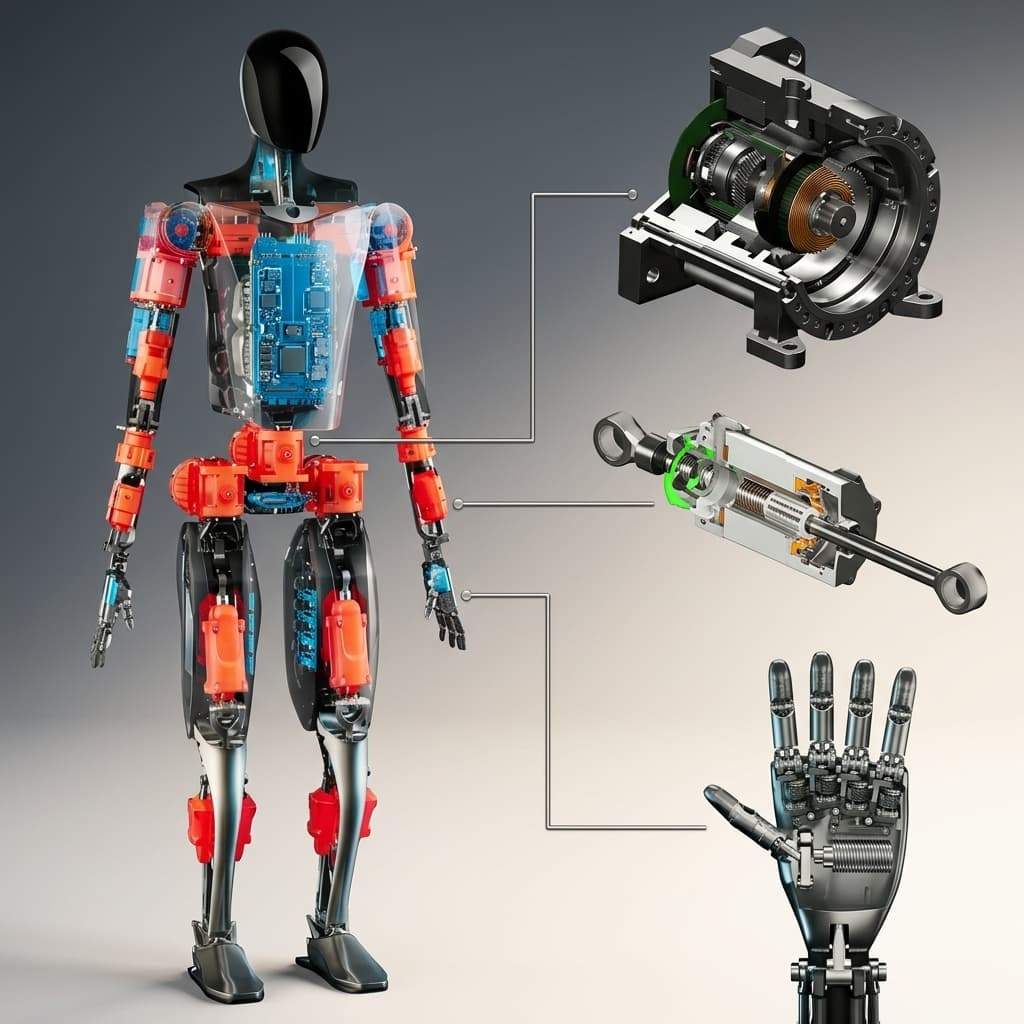
Use this page when the buyer is choosing a development route for a funded humanoid robot program, not browsing a standard actuator catalog.
For teams that already have working actuator samples and need manufacturing discipline for the next build stage.
Pilot yield visibility: Project and process dependent
The buyer scales from a one-off prototype without production drawings
| Evaluation Metric | Typical Range | Buyer Relevance |
|---|---|---|
| Pilot yield visibility | Project and process dependent | Custom actuator cost is driven by machining yield, assembly stability, calibration time, and rework rate. |
| Revision freeze completeness | Drawing, BOM, firmware, test method, and packaging | Pilot builds become expensive when parts, firmware, inspection criteria, or supplier responsibilities keep changing. |
| Outgoing evidence coverage | FAI, CMM, FCT, torque-speed, thermal, backlash, burn-in | Repeat orders need records that explain why a batch was accepted, not only that it shipped. |
Send enough evidence to let engineering qualify feasibility, quotation scope, prototype validation, and pilot readiness in the same review loop.
| Evidence | What to Send | Related Path |
|---|---|---|
| Joint and program baseline | Robot phase, joint map, prototype deadline, pilot date, quantity range, and responsible engineering contact. | RFQ intake |
| Architecture constraints | Motor, reducer, encoder, driver, brake, voltage, control, bearing, housing, cable, and interface constraints. | Product families |
| Load and thermal assumptions | Torque-speed targets, duty cycle, peak load duration, ambient limit, heat path, impact load, and known failure risks. | FEA and thermal review |
| Validation and inspection plan | Torque-speed, backlash, noise, thermal, electrical, dimensional, incoming, in-process, and outgoing inspection needs. | Quality validation |
| Prototype-to-pilot release data | Approved sample reference, drawing revision, BOM revision, test records, CTQ list, pilot quantity, and forecast. | Pilot control |
A solution path should shorten the distance from buyer intent to qualified hardware, while keeping prototype evidence useful for the next build stage.
Confirm the buyer problem, robot phase, custom constraint, and whether this solution path is the right starting point.
Connect the scenario to motor, reducer, encoder, brake, driver, housing, bearing, thermal, and cable decisions.
Define acceptance tests before prototype release so sample feedback can be reused during pilot planning.
Freeze drawings, BOM, CTQ dimensions, inspection gates, packing requirements, and repeat delivery expectations.
This form is prefilled with Pilot-to-Mass Production Actuators. Include CAD, joint map, torque-speed target, duty cycle, envelope limits, prototype quantity, pilot schedule, and acceptance tests.
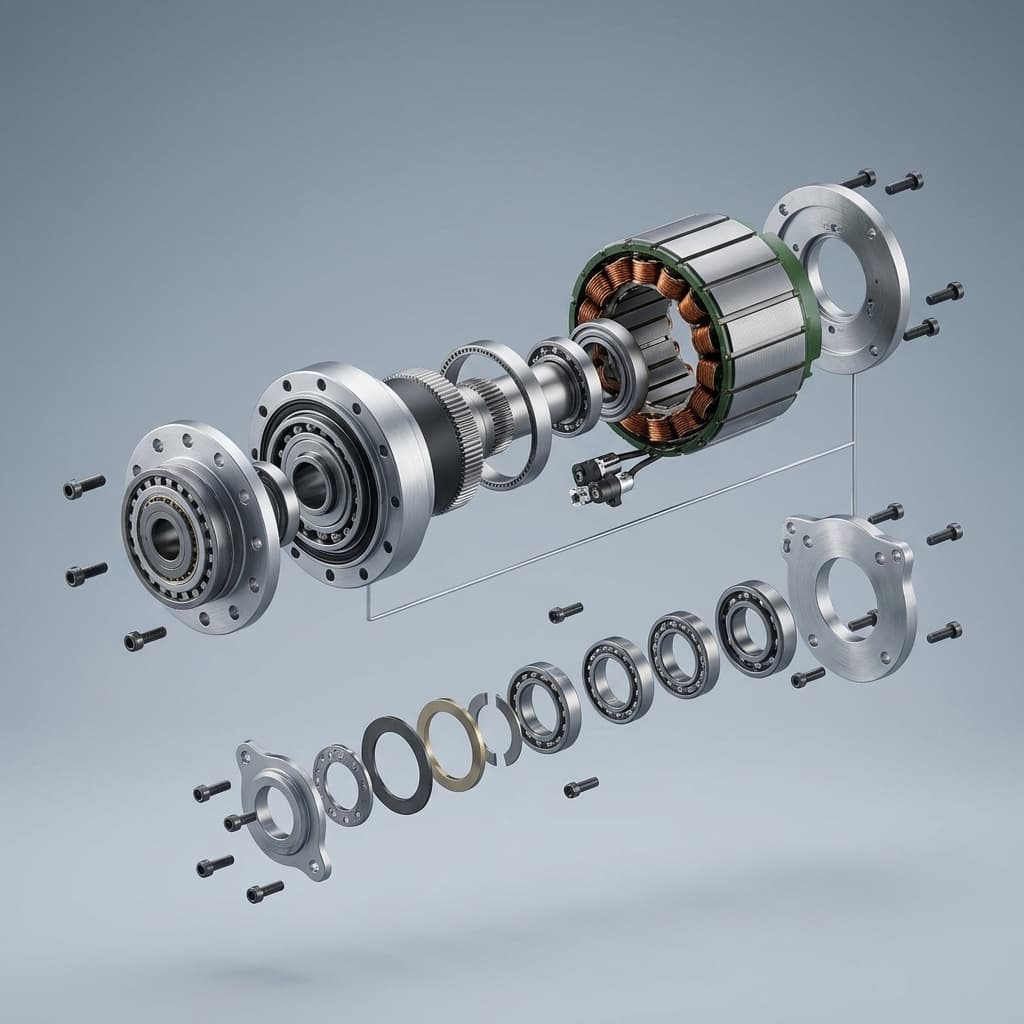
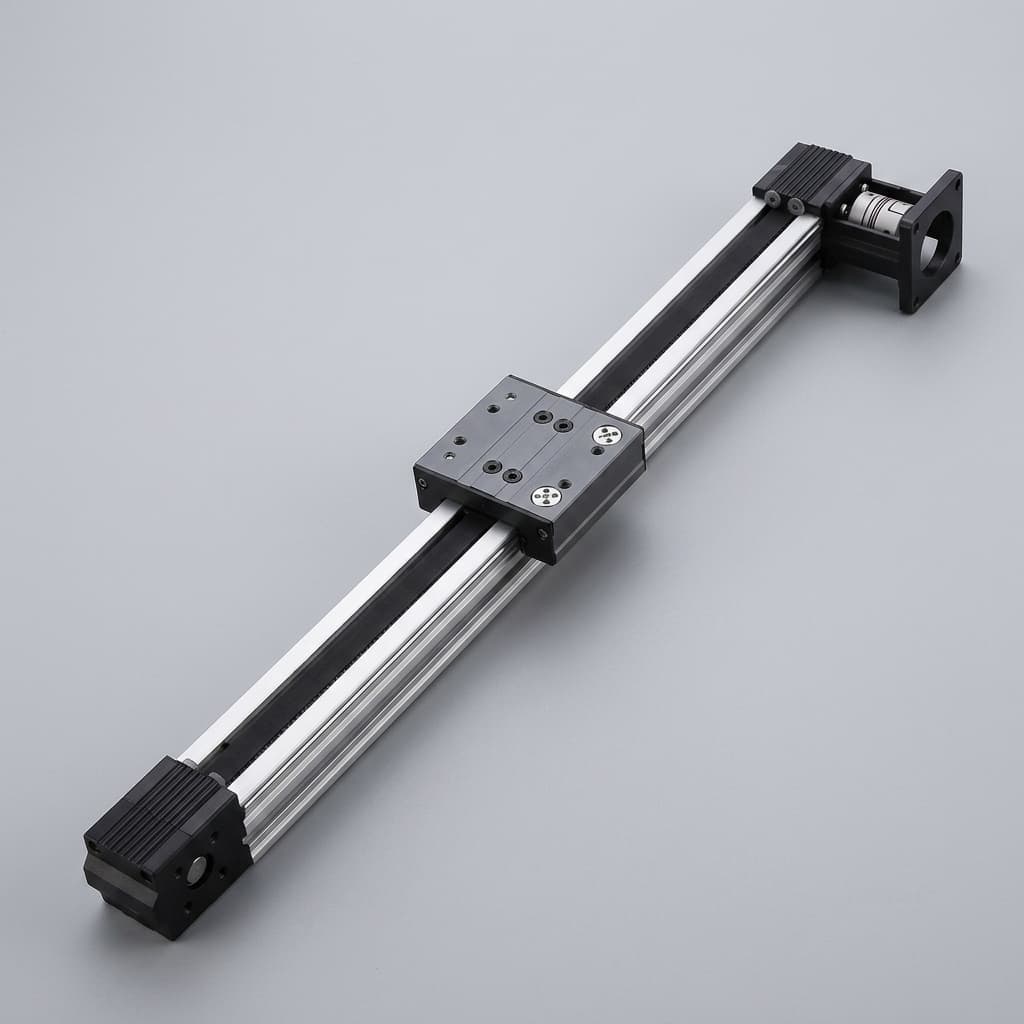
Yes. Low-volume production is realistic when drawings, sample acceptance, and inspection gates are clearly defined.
Drawing revision, BOM revision, CTQ list, acceptance tests, report package, substitution rules, packaging, and open issue ownership.
Yes. Many humanoid actuator programs stay in controlled low volume while the robot platform is still changing.
Inquiry Email
Include target torque/speed, quantity, and delivery location.
Application Engineer
+8618857971991
Talk directly about drawings, torque-speed targets, and RFQ data gaps.