
Custom First
The site is built for teams bringing CAD envelopes, joint maps, torque-speed targets, duty cycles, acceptance criteria, and pilot-build intent.
We coordinate custom humanoid actuator ODM programs for overseas robotics teams that need drawing-driven engineering, precision manufacturing, sample validation, and pilot production.
Custom Humanoid Actuator is positioned as a focused ODM sourcing and manufacturing desk for serious humanoid robot actuator programs. The site is built for teams with CAD, torque-speed targets, funding, and a need to move from nonstandard joint concepts into manufacturable prototype and pilot hardware.
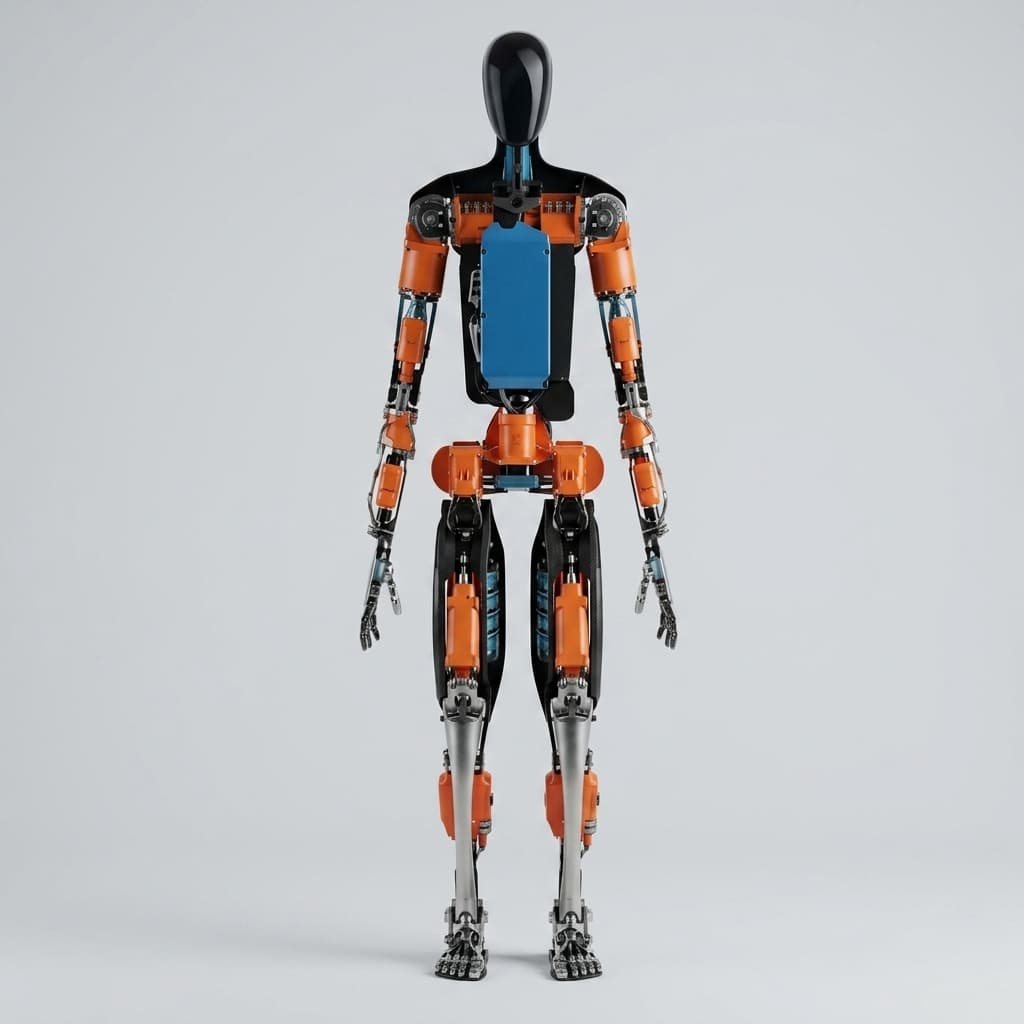
The site is built for teams bringing CAD envelopes, joint maps, torque-speed targets, duty cycles, acceptance criteria, and pilot-build intent.
We connect actuator architecture, precision machining, motor and reducer sourcing, encoder and driver fit, assembly constraints, inspection, and export execution.
Sample and pilot decisions should be backed by CTQ dimensions, FAI/CMM records, thermal data, backlash checks, dynamic testing, revision logs, and traceability.
Custom Humanoid Actuator works as a China-based ODM sourcing and manufacturing coordination partner for robot companies that already know they need custom mechanics, actuator-stack trade-offs, and auditable manufacturing execution. The focus is supplier qualification and drawing-driven programs, not commodity part browsing.
In practice, that means we expect engineering inputs before pricing: drawing packages, torque and speed targets, duty-cycle assumptions, packaging limits, environmental constraints, pilot quantities, and the evidence required before a build can pass the buyer's internal gate.
Custom Humanoid Actuator is operated by Magatom Dynamics Co., Ltd. Manufacturing and quality requirements are agreed for each order.
Legal entity: Magatom Dynamics Co., Ltd.
Custom actuator programs are coordinated through a China-based precision manufacturing network. Machining, metrology, actuator assembly, validation, packaging, and export planning are matched to the drawing revision, quantity, and evidence scope agreed for the program.
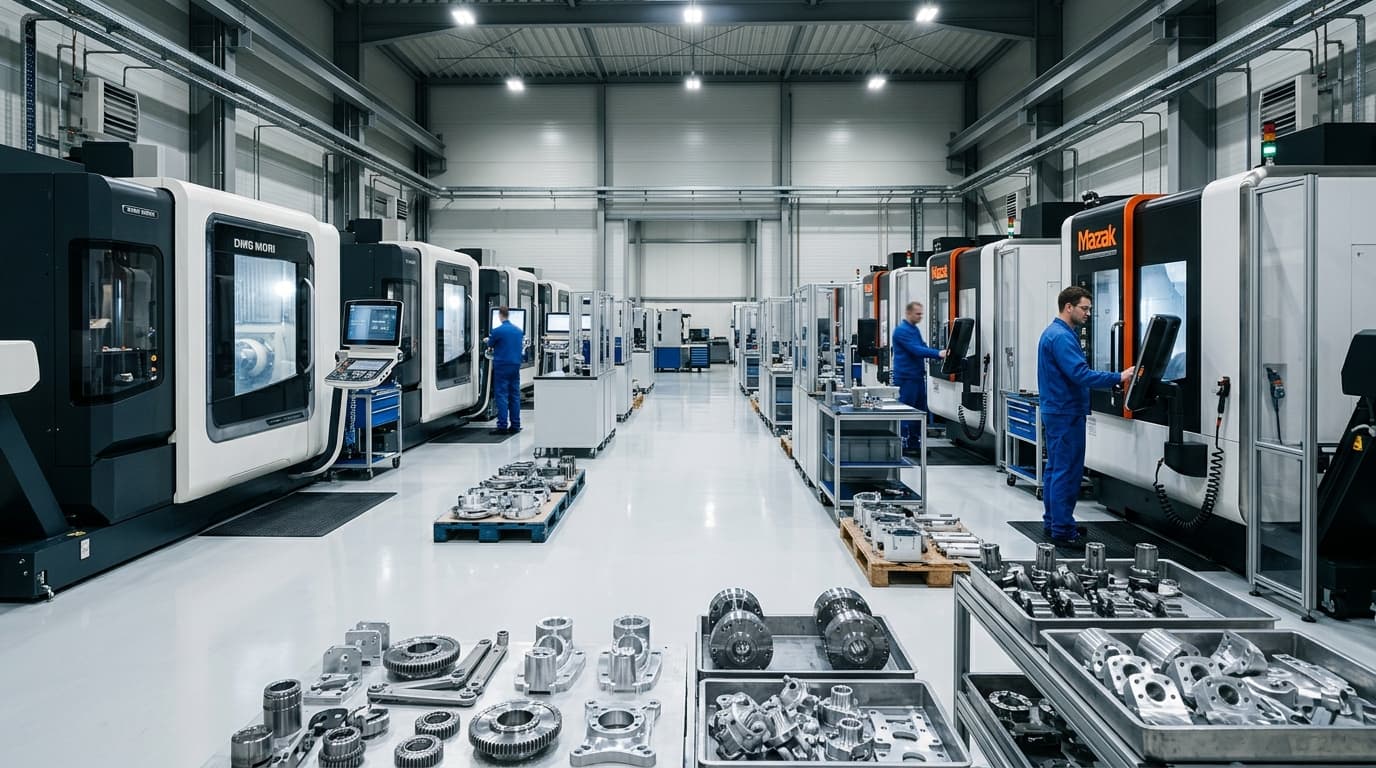
Project-qualified machining resources for tight-tolerance actuator housings, bearing seats, and torque sensor interfaces.
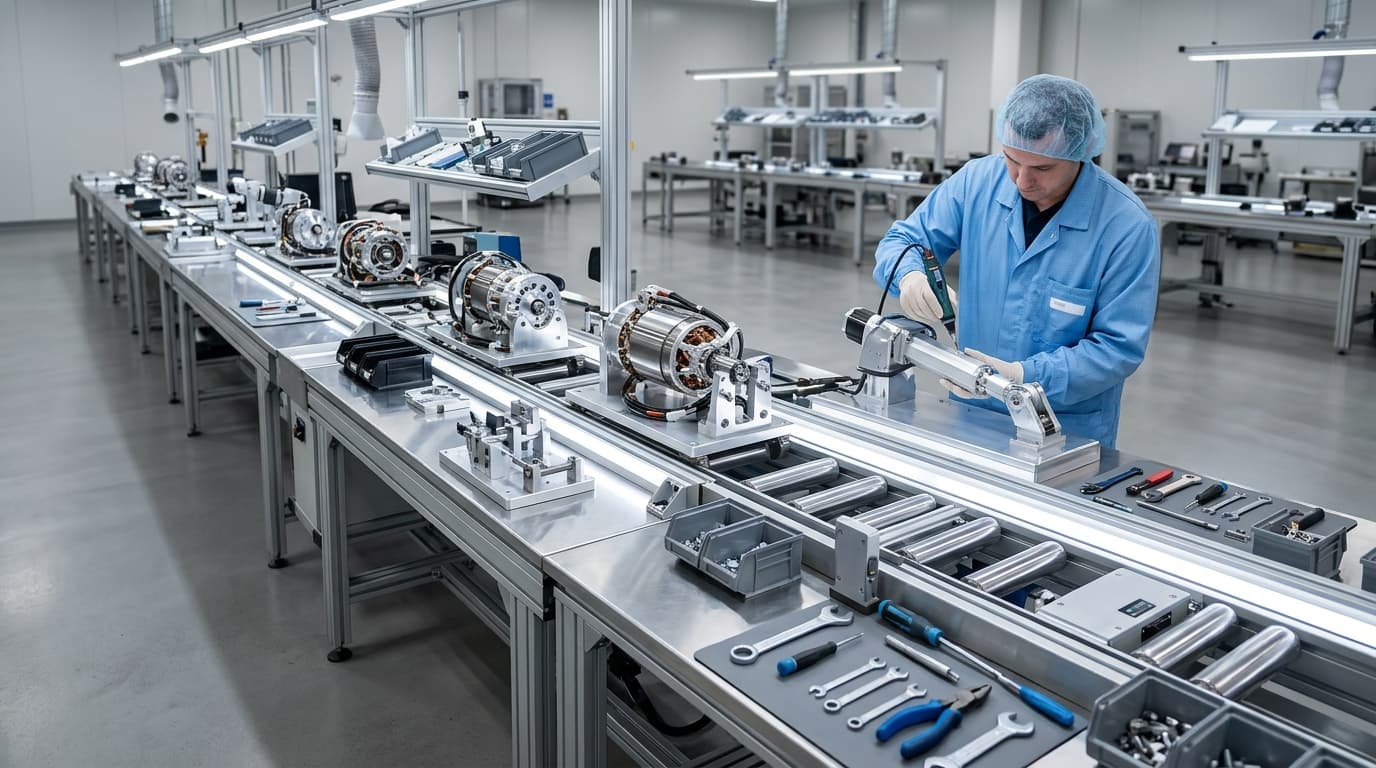
Controlled assembly planning for motor, reducer, encoder, harness, and outgoing validation requirements.
| Capability Area | What We Support | Buyer Value |
|---|---|---|
| Product Coverage | Rotary, QDD, leg, arm, wrist, linear, housing, and interface programs | One-vendor coordination across multi-axis humanoid robot programs. |
| Customization | Envelope, flange, hollow shaft, cable path, brake, encoder, driver, harness, and thermal path adaptation | Reduces integration friction and rework risk. |
| Validation | Sample workflow with measurable acceptance criteria | Supports decision-ready prototype gates. |
| Quality & Delivery | Process checkpoints, traceability, export execution planning | Improves repeat-order predictability and audit readiness. |
Use this matrix to agree which CTQs, inspection records, and functional tests belong in the sample or pilot gate. Final limits are set by the buyer's drawing, actuator architecture, and acceptance criteria.
Bearing-seat and ring-gear concentricity
Surface finish and treatment boundary
Housing fit and cable-routing geometry
Motor air-gap and assembly datum
Electrical safety and driver checks
Encoder magnet and sensing alignment
Backlash or compliance check
Continuous torque or force derating
Output interface runout and fit
| Wrong Assumption | Actual Positioning |
|---|---|
| Not a hobby sample catalog | A focused ODM coordination desk for funded humanoid robotics teams that need custom joint hardware moved toward prototype and pilot production. |
| Not a lowest-price actuator marketplace | A drawing-to-production partner for nonstandard envelopes, load paths, cable routing, sealing, torque density, heat paths, and CTQ interfaces. |
| Not a blind quote from a screenshot | A structured RFQ process based on CAD, torque-speed targets, duty cycle, thermal boundary, reducer expectations, control interface, volumes, and revision state. |
| Not an unverifiable factory promise | A qualification path that asks for machining, metrology, assembly, PCBA or driver checks, dynamic actuator tests, packing records, and corrective-action evidence. |
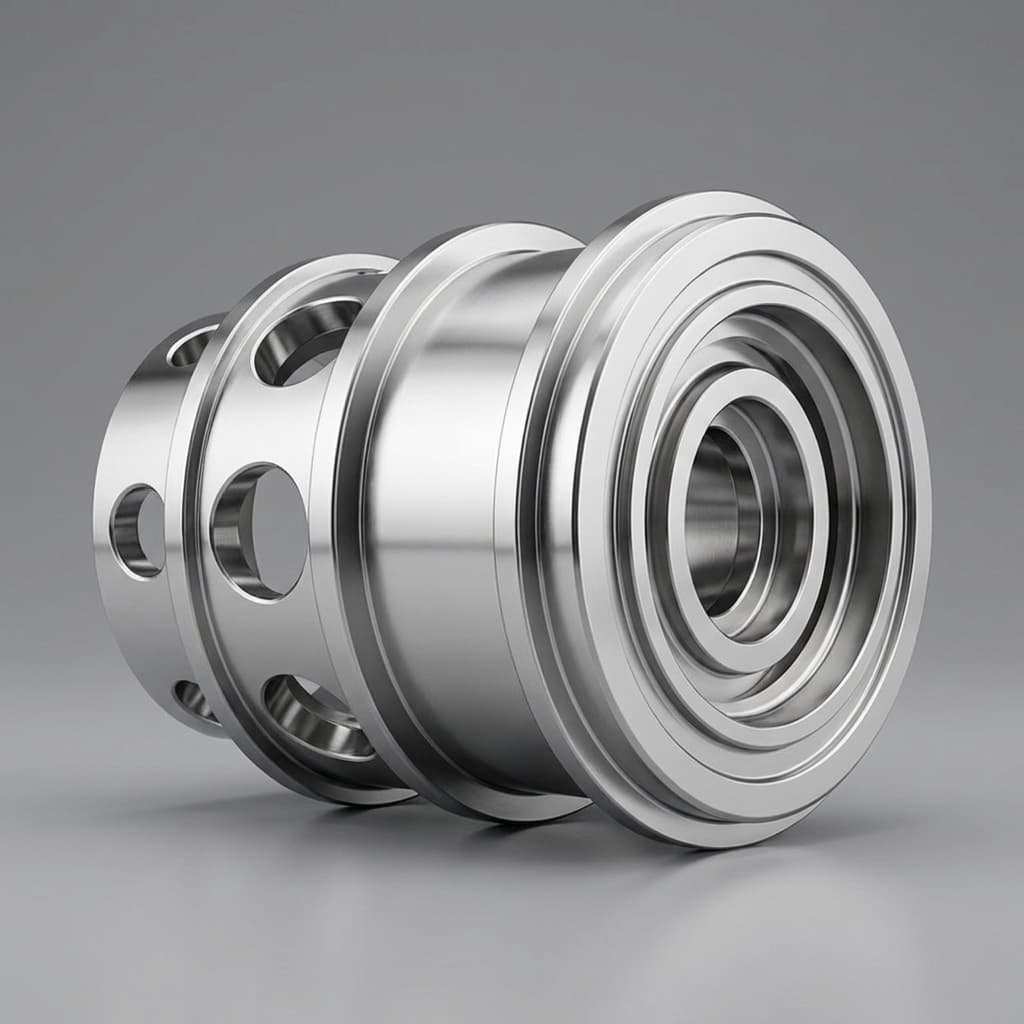
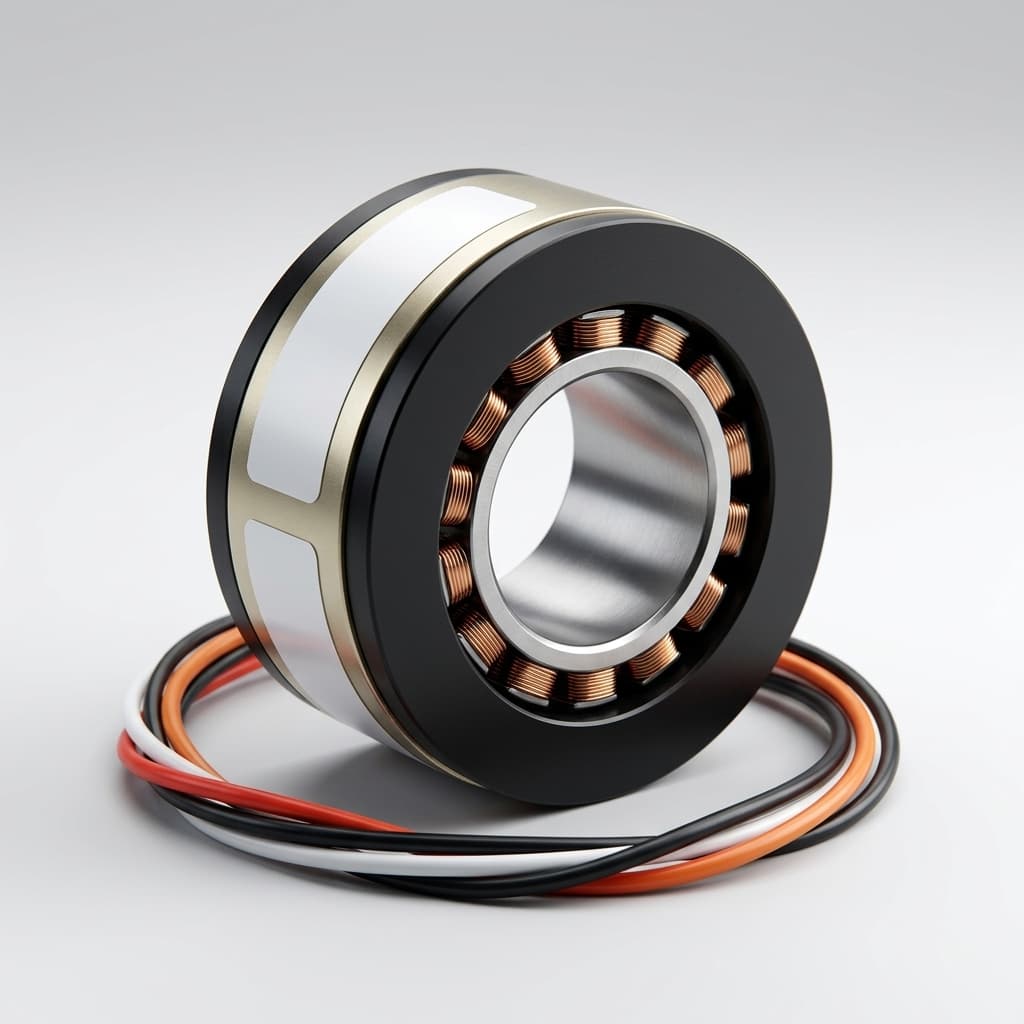
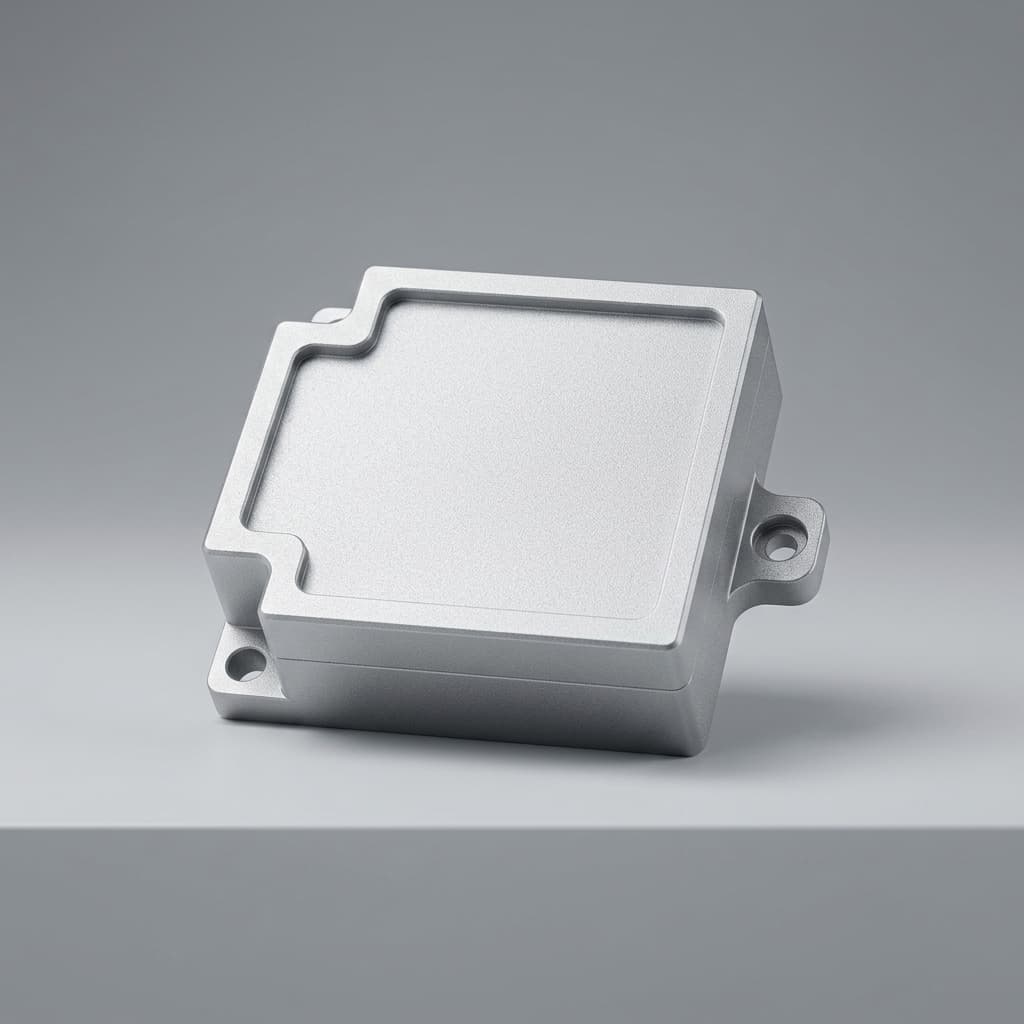
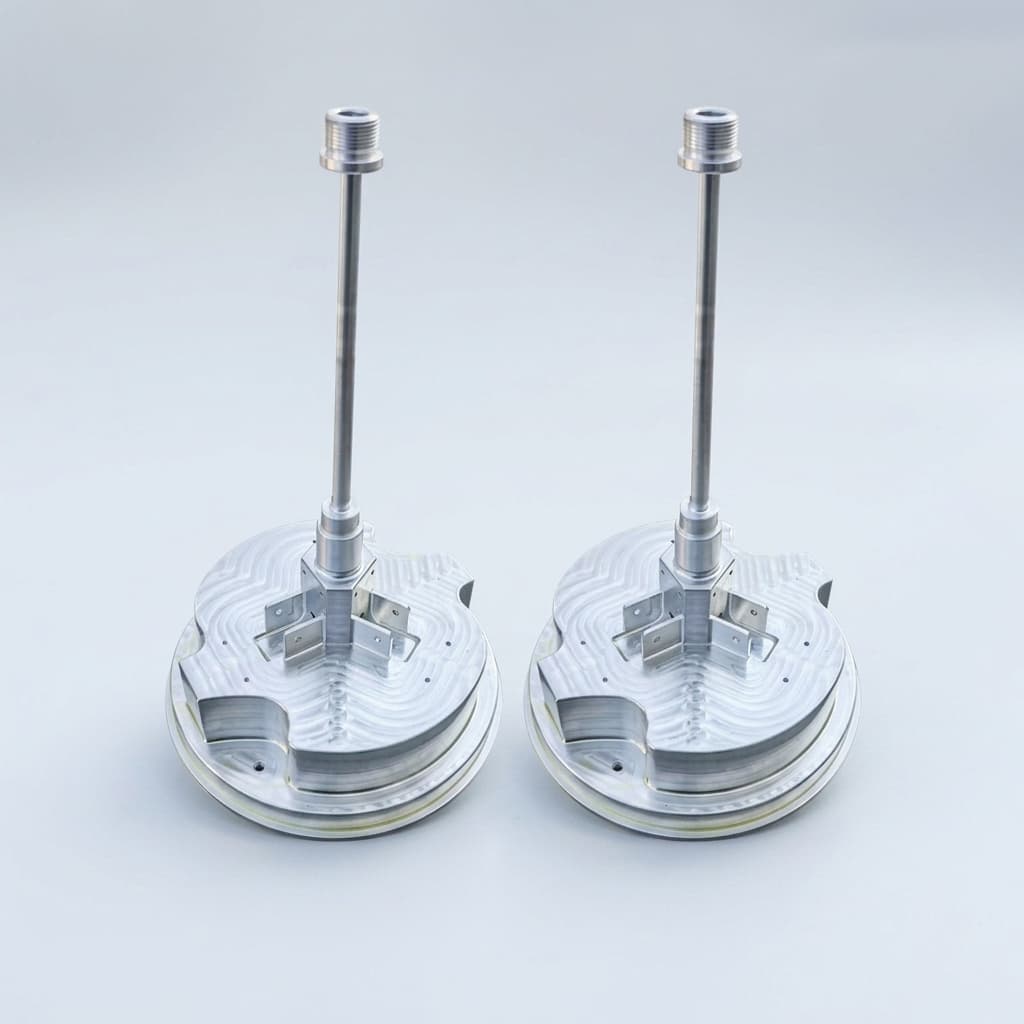
Serious humanoid actuator procurement needs visible proof paths: the actuator stack, machined interfaces, measurement records, dynamic validation, and supply-control assumptions should all be traceable before pilot release.
| Audit Area | Evidence to Request | Relevant Page |
|---|---|---|
| Design review | CAD envelope review, torque-speed baseline, load-path notes, bearing-seat and flange risk review, thermal derating assumptions, and revision ownership. | Drawing-to-Production ODM |
| Manufacturing process | Housing machining plan, datum strategy, fixture controls, CTQ inspection list, incoming component checks, and assembly sequence notes. | Precision Machining and Metrology |
| Validation evidence | FAI/CMM records, backlash and repeatability method, torque and temperature logs, burn-in scope, failure review, traceability, and 8D-ready corrective actions. | Quality and Engineering Validation |
| Pilot and supply control | Motor, reducer, encoder, driver, bearing, harness, housing, packaging, export, and lead-time control tied to one actuator release baseline. | BOM Supply Chain Integration |
The fastest path is a structured RFQ that includes the joint CAD envelope, target torque-speed curve, duty cycle, peak and continuous torque assumptions, backlash or compliance limits, supply voltage, control interface, sensor boundary, pilot quantity, and the acceptance evidence your team needs before release.
Inquiry Email
Include target torque/speed, quantity, and delivery location.
Application Engineer
+8618857971991
Talk directly about drawings, torque-speed targets, and RFQ data gaps.
Operated by Magatom Dynamics Co., Ltd.
深圳磁原动力科技有限公司
This company signs contracts, issues commercial invoices and receives payments for new orders. Please use the payment details provided on your invoice.