
Factory Evidence, Not Sales Claims
Use OEM capabilities to check what evidence will exist behind a custom actuator quote: drawings, DFM notes, FAI/CMM reports, test gates, traceability, and pilot records.
Review the factory-side engineering, validation, machining, sourcing, pilot control, and delivery evidence behind a serious custom humanoid actuator ODM program.
This section is written for supplier validation, not casual browsing. It helps funded robotics teams decide what to ask before they release drawings, fund NRE, approve samples, or move custom actuator hardware into pilot builds.
This site is positioned as a custom ODM manufacturing partner, so OEM pages must prove more than capacity. They must expose the control points that keep custom actuator programs from collapsing between prototype, pilot, and repeat production.
Use OEM capabilities to check what evidence will exist behind a custom actuator quote: drawings, DFM notes, FAI/CMM reports, test gates, traceability, and pilot records.
The strongest buyer fit is a funded robotics team that needs one ODM contact across machining, motor, reducer, encoder, driver, harness, assembly, inspection, and delivery.
Every capability should connect the sample plan to revision control, CTQ dimensions, acceptance methods, packaging, and repeat-order readiness.
A funded humanoid buyer usually does not ask "what equipment do you have?" first. The sharper question is which evidence gap must be closed before the next engineering or procurement decision.
| Capability | Buyer Question | Evidence to Prepare First |
|---|---|---|
| Drawing-to-Production ODM | Who owns the path from joint CAD and drawings to custom actuator samples, NRE scope, and pilot release? | Drawing pack, CAD revision, frozen vs open constraints, IP boundary, sample scope, NRE expectations, and production release criteria. |
| FEA and Thermal Engineering Review | Will the housing, bearing support, duty cycle, and heat path survive real humanoid joint loads before machining? | 3D CAD, load cases, duty cycle, ambient limit, continuous and peak torque, material assumptions, and thermal boundary. |
| Precision Machining and Metrology | Can critical actuator housings, shafts, bearing seats, flanges, and interfaces repeat within measurable CTQ limits? | 2D drawings, GD&T notes, CTQ dimensions, material, surface treatment, inspection scope, FAI/CMM needs, and sample quantity. |
| Actuator BOM and Supply Chain Integration | Can motors, reducers, encoders, drivers, brakes, bearings, housings, harnesses, and substitutions be coordinated as one controlled stack? | Preferred brands, restricted suppliers, substitution rules, forecast, lead-time limit, cost target, evidence package, and delivery constraints. |
| Prototype, Pilot, and Production Control | How does a working sample become a controlled pilot build instead of a one-off prototype variant? | Approved sample reference, drawing and BOM revision, CTQ list, test records, pilot quantity, forecast, spare strategy, and outgoing inspection needs. |
| Export Packaging and Global Delivery | Will precision actuator modules arrive with protected interfaces, usable documentation, and practical support for urgent pilot hardware? | Destination country, Incoterms preference, hardware type, dimensions, weight, urgency, labels, incoming inspection needs, and packaging rules. |
| Quality and Engineering Validation | What objective proof should engineering and procurement request before approving samples, tooling, or pilot production? | CTQ list, FAI/CMM scope, dynamic actuator tests, report format, traceability depth, Cpk target where meaningful, and 8D requirement. |
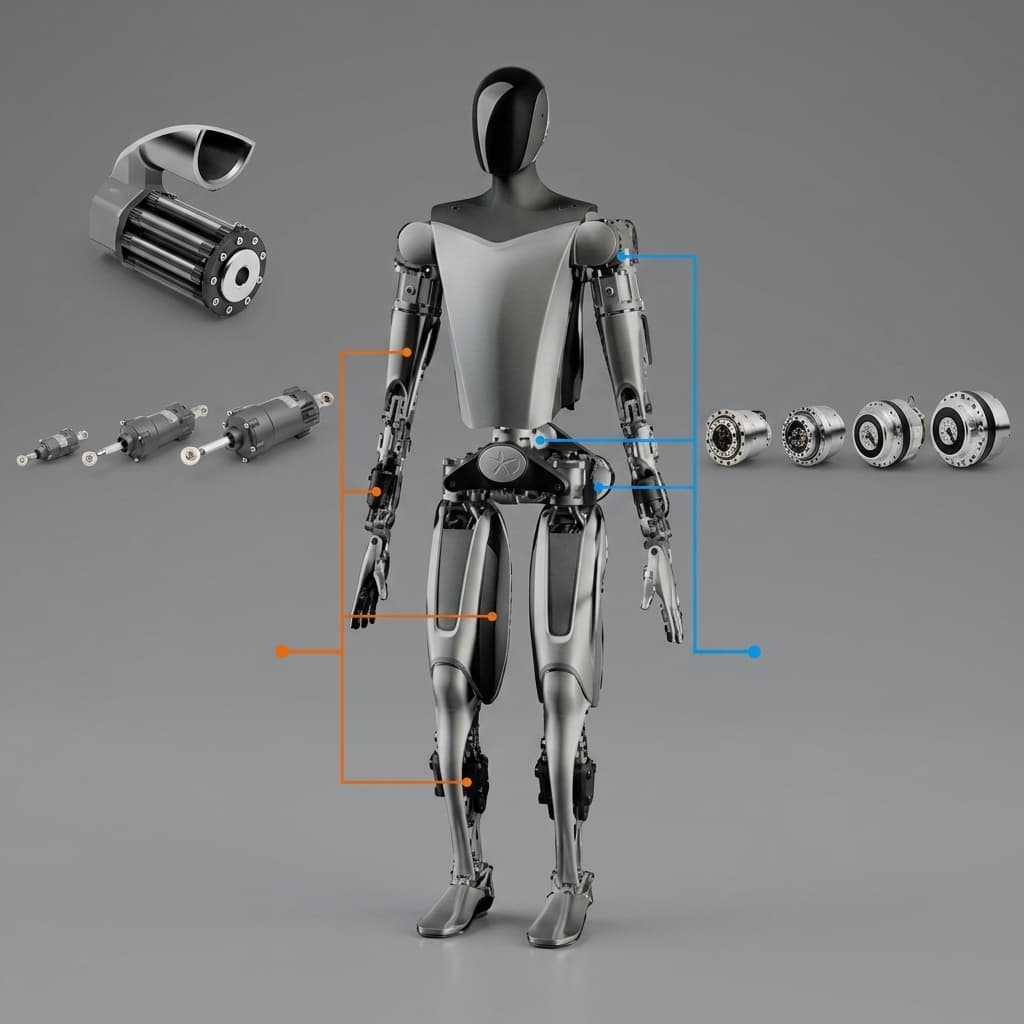
A structured custom humanoid actuator ODM workflow from concept review and drawing pack cleanup to prototype build, pilot validation, and repeat manufacturing.
For professional teams that want one ODM contact to coordinate complex actuator manufacturing instead of managing many disconnected suppliers.
Audit question: Who owns the path from joint CAD and drawings to custom actuator samples, NRE scope, and pilot release?
Key metric: Revision discipline
Risk to control: Unclear IP and design responsibility slow quotation and execution
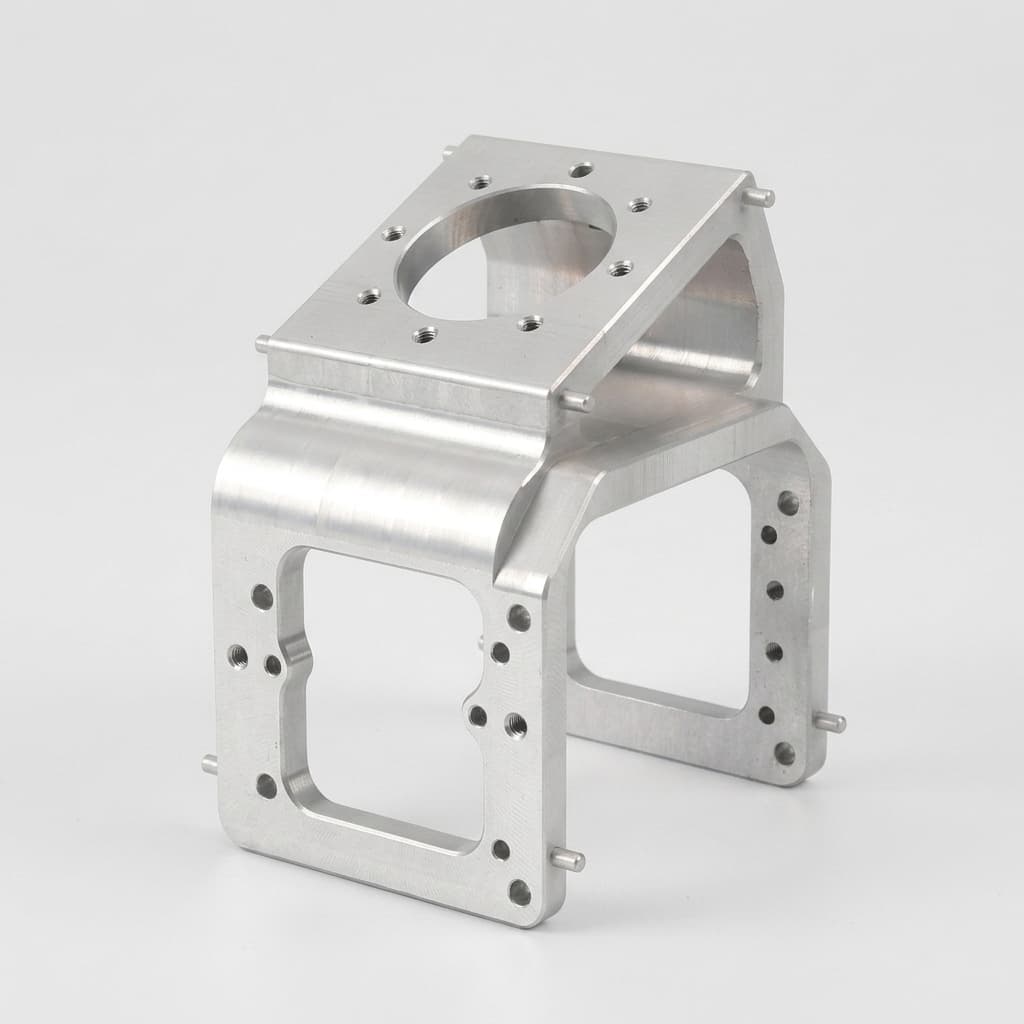
Engineering review support for actuator stiffness, housing stress, bearing load, heat path, duty cycle, and thermal derating before prototype release.
For teams that need engineering evidence and risk review before committing money to custom actuator prototypes.
Audit question: Will the housing, bearing support, duty cycle, and heat path survive real humanoid joint loads before machining?
Key metric: Thermal derating confidence
Risk to control: Simulation is treated as final proof
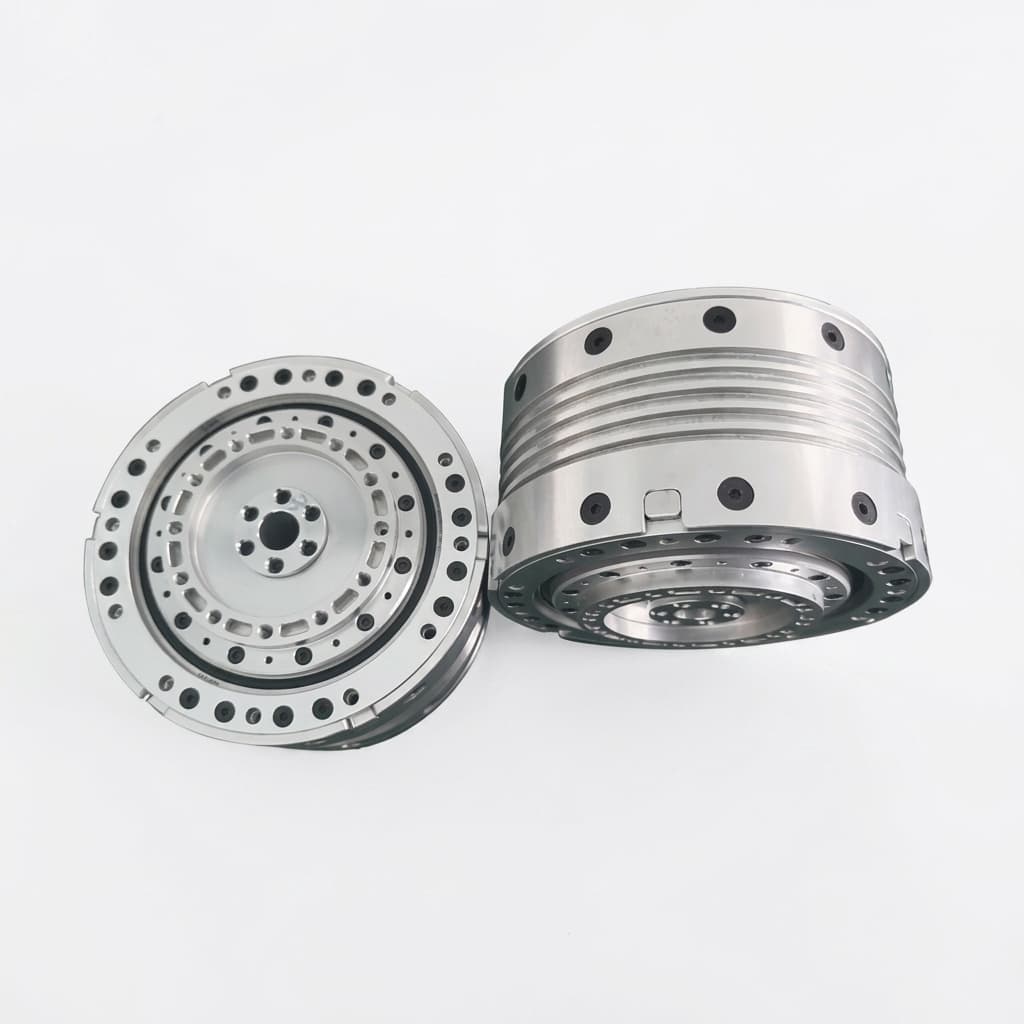
Custom CNC machining, precision turning, fixture planning, and measurement support for humanoid actuator housings, flanges, shafts, bearing seats, and interfaces.
For teams that need reliable mechanical execution after the actuator architecture is defined.
Audit question: Can critical actuator housings, shafts, bearing seats, flanges, and interfaces repeat within measurable CTQ limits?
Key metric: CTQ measurement coverage
Risk to control: Machined parts meet isolated dimensions but fail assembly fit
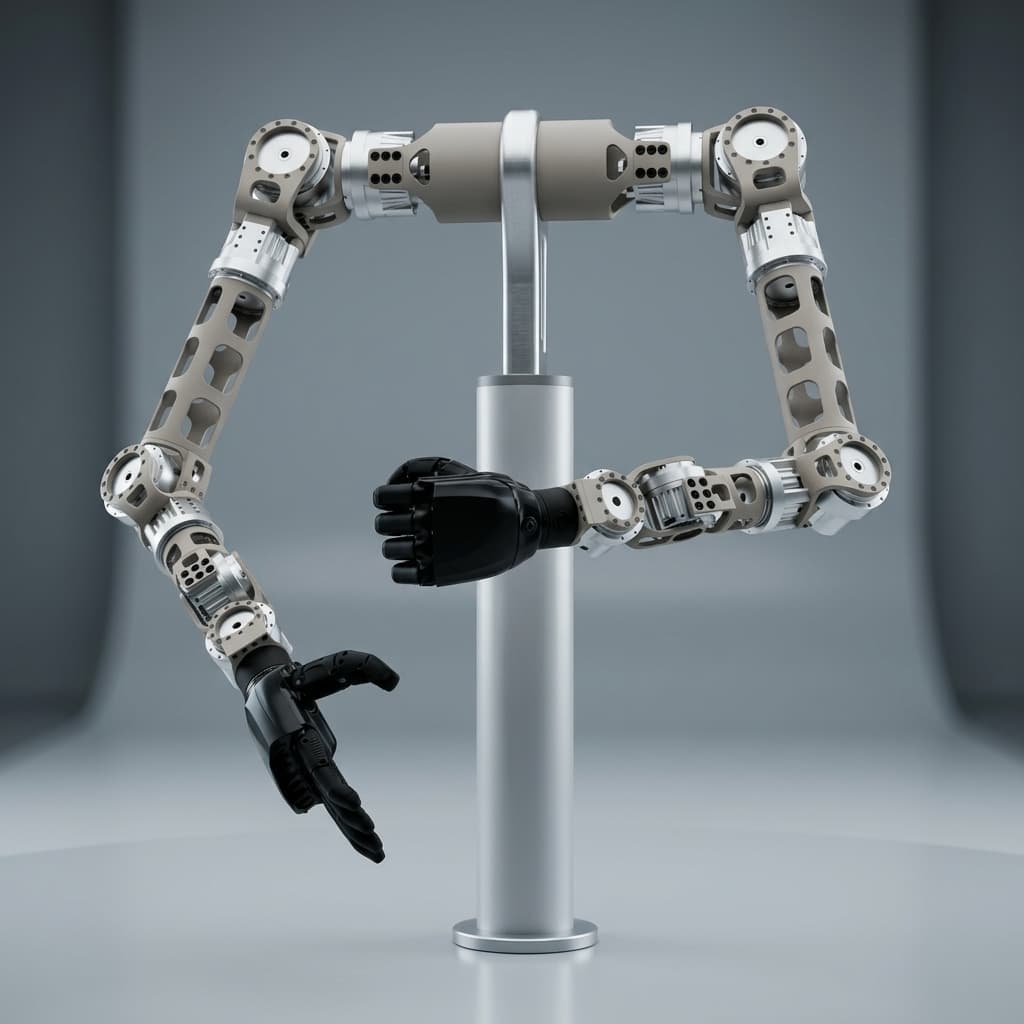
A controlled sourcing and manufacturing coordination path for custom humanoid actuator BOMs, helping overseas robotics teams keep motors, reducers, encoders, drivers, brakes, housings, harnesses, validation evidence, and export logistics under one engineering owner.
For funded robotics teams and purchasing directors that want to reduce supplier handoffs without treating a custom actuator like a loose marketplace basket.
Audit question: Can motors, reducers, encoders, drivers, brakes, bearings, housings, harnesses, and substitutions be coordinated as one controlled stack?
Key metric: BOM integration risk
Risk to control: Each component looks good alone but fails as a complete actuator
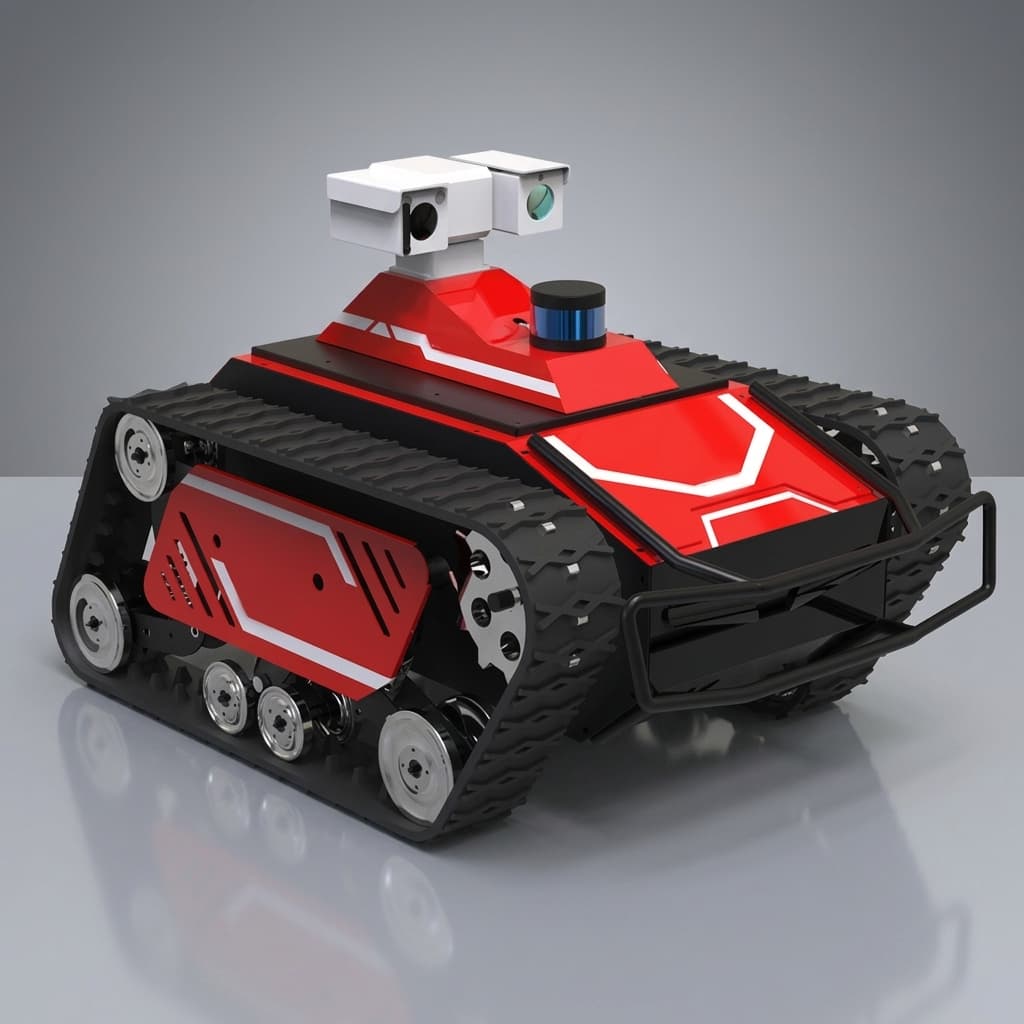
Stage-gated control for custom humanoid actuator programs so prototypes, pilot builds, and production batches do not blur into uncontrolled variants.
For teams that need manufacturing discipline as they move beyond a few working actuator samples.
Audit question: How does a working sample become a controlled pilot build instead of a one-off prototype variant?
Key metric: Stage gate clarity
Risk to control: Pilot build starts before the prototype is actually approved
Export-aware packaging, documentation, and delivery coordination for custom humanoid actuator modules, precision machined parts, and pilot shipments.
For overseas robotics teams that need technical hardware delivered safely with practical communication and documentation.
Audit question: Will precision actuator modules arrive with protected interfaces, usable documentation, and practical support for urgent pilot hardware?
Key metric: Shipment readiness
Risk to control: Actuator samples arrive with damaged connectors or bearing interfaces
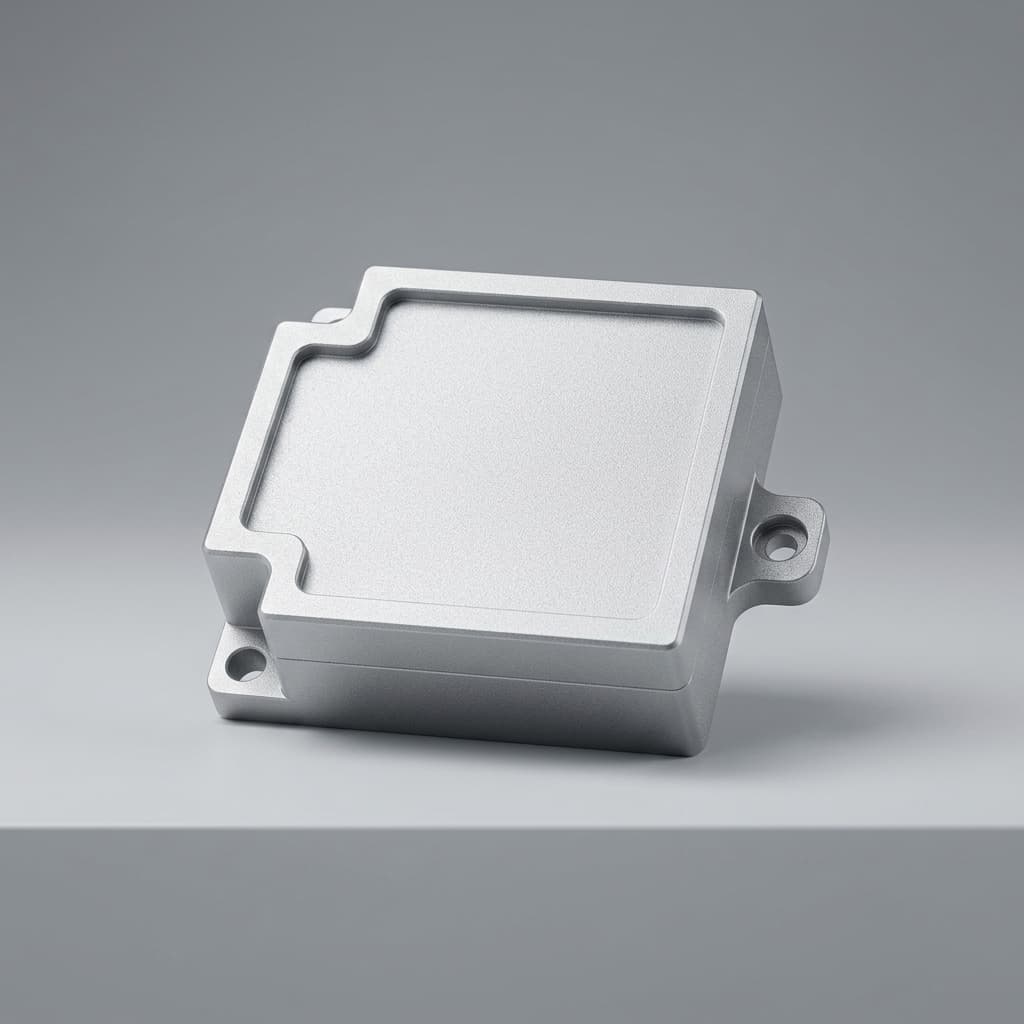
Buyer-facing quality and validation planning for custom humanoid actuator programs, connecting mechanical inspection, electrical test evidence, dynamic actuator checks, traceability, corrective action, and pilot release controls into one RFQ-ready framework.
For engineering and procurement teams that must prove a custom actuator supplier can control process risk before funding samples, tooling, or pilot production.
Audit question: What objective proof should engineering and procurement request before approving samples, tooling, or pilot production?
Key metric: FAI and CMM coverage
Risk to control: Prototype samples look acceptable but there is no repeatable evidence package for pilot approval
| Capability | Primary Buyer Focus | Key Metric | Why It Matters |
|---|---|---|---|
| Drawing-to-Production ODM | For professional teams that want one ODM contact to coordinate complex actuator manufacturing instead of managing many disconnected suppliers. | Revision discipline: EVT, DVT, pilot, production | Custom actuator programs fail when every prototype becomes a new undocumented variant. |
| FEA and Thermal Engineering Review | For teams that need engineering evidence and risk review before committing money to custom actuator prototypes. | Thermal derating confidence: Simulation plus prototype test | High torque density is only useful when heat can leave the motor and driver stack reliably. |
| Precision Machining and Metrology | For teams that need reliable mechanical execution after the actuator architecture is defined. | CTQ measurement coverage: Drawing dependent | Actuator reliability depends on small mechanical dimensions that must be measured consistently. |
| Actuator BOM and Supply Chain Integration | For funded robotics teams and purchasing directors that want to reduce supplier handoffs without treating a custom actuator like a loose marketplace basket. | BOM integration risk: Low to high depending on buyer maturity | Component-level sourcing saves money only if mechanical, electrical, thermal, and firmware assumptions align. |
| Prototype, Pilot, and Production Control | For teams that need manufacturing discipline as they move beyond a few working actuator samples. | Stage gate clarity: Prototype through production | A custom actuator program needs controlled releases to avoid rework and supplier confusion. |
| Export Packaging and Global Delivery | For overseas robotics teams that need technical hardware delivered safely with practical communication and documentation. | Shipment readiness: Sample to pilot batch | Precision actuator hardware can be damaged or delayed if packaging and documentation are treated as afterthoughts. |
| Quality and Engineering Validation | For engineering and procurement teams that must prove a custom actuator supplier can control process risk before funding samples, tooling, or pilot production. | FAI and CMM coverage: CTQ and drawing dependent | Custom actuator housings and interfaces need objective dimensional evidence before pilot assembly, not only visual inspection. |
This table maps the planning brief's trust requirements to live site paths so buyers can verify the factory story from multiple angles.
| Trust Signal | Buyer Use | Live Path |
|---|---|---|
| Custom ODM process | Confirms feasibility review, DFM, prototype, EVT, DVT, pilot, and production are controlled stages. | ODM process |
| Sample RFQ package | Shows which CAD, joint-map, performance, validation, pilot, and reporting inputs should be prepared before supplier review. | RFQ package |
| Evidence library | Maps which CMM, FAI, actuator test, electronics, traceability, and pilot-release records should be requested by program gate. | Evidence map |
| Actuator test plan checklist | Defines operating cycle, fixture boundary, thermal rise, backlash, torque-speed, FCT, endurance, and report handoff before DVT. | Test plan |
| Pilot readiness checklist | Checks revision freeze, pilot BOM, fixture readiness, serial traceability, yield review, NCR ownership, packaging, and release closure. | Pilot readiness |
| FEA and thermal review | Tests whether stiffness, bearing load, stress path, heat path, and continuous torque derating are visible before samples. | Engineering review |
| Precision machining and metrology | Shows how CNC parts, bearing seats, concentricity, flatness, runout, FAI, CMM, and outgoing inspection are governed. | Metrology path |
| Quality validation | Connects CTQ dimensions, sample acceptance, dynamic tests, traceability, Cpk review, and corrective action into one audit path. | Validation path |
| BOM and supply coordination | Keeps motor, reducer, encoder, driver, brake, housing, harness, sourcing rules, substitutions, and logistics under one owner. | BOM path |
| Pilot and production control | Prevents prototype success from turning into uncontrolled pilot variants, hidden rework, and unstable repeat orders. | Pilot control |
| Export execution | Protects precision surfaces, encoder areas, connectors, documentation, spares, and urgent engineering shipments. | Export path |
OEM (Original Equipment Manufacturer) means the buyer owns the design and the factory builds to print. ODM (Original Design Manufacturer) means the factory contributes to design, component selection, DFM, and validation. This site supports both models. Most humanoid actuator programs fall between: the buyer owns the CAD and performance targets, and the ODM partner contributes machining DFM, motor-reducer pairing, inspection planning, and pilot-build execution.
A realistic timeline for a new custom humanoid actuator module is 8-16 weeks from frozen drawing to first samples, then 4-8 weeks from sample approval to pilot batch. Programs with open CAD, multiple revision cycles, or non-finalized motor and reducer specifications take longer. The single largest schedule risk is drawing revision churn during the prototype phase.
At minimum: FAI/CMM dimensional reports for housing critical features, hi-pot and surge test records for frameless motor integration, back-EMF or torque-speed bench data, backlash measurement under your specified load condition, material certificates for housing alloy, and a traceability record linking serial numbers to inspection results. The Evidence Library resource page maps the full stage-by-stage evidence package.
Yes. Each capability page is structured as a buyer-side engineering checklist. Use the checklist tables, buyer questions, and evidence requirements to build an audit questionnaire or incoming qualification form for any custom actuator supplier, not only this one.
Inquiry Email
Include target torque/speed, quantity, and delivery location.
Application Engineer
+8618857971991
Talk directly about drawings, torque-speed targets, and RFQ data gaps.