
Best buyer fit
For engineering and procurement teams that must prove a custom actuator supplier can control process risk before funding samples, tooling, or pilot production.
Buyer-facing quality and validation planning for custom humanoid actuator programs, connecting mechanical inspection, electrical test evidence, dynamic actuator checks, traceability, corrective action, and pilot release controls into one RFQ-ready framework.
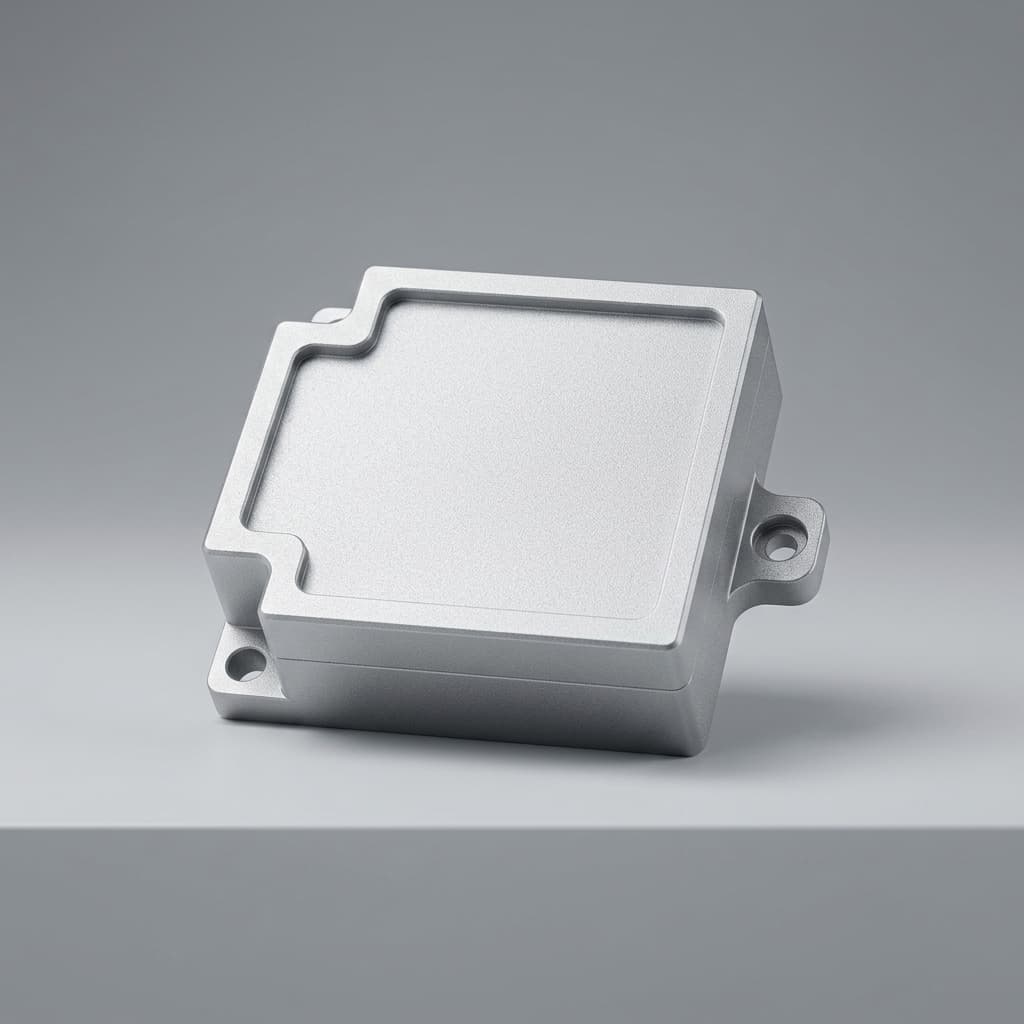
This capability should help a serious buyer decide what evidence is needed before releasing drawings, samples, NRE, pilot POs, or repeat production.
For engineering and procurement teams that must prove a custom actuator supplier can control process risk before funding samples, tooling, or pilot production.
FAI and CMM coverage: CTQ and drawing dependent
Prototype samples look acceptable but there is no repeatable evidence package for pilot approval
What the buyer owns, what the supplier can review, what is frozen, and what remains an open design trade-off.
DFM notes, machining route, supplier scope, first-article checks, CTQ inspection, assembly controls, or sourcing records.
Torque-speed, backlash, thermal rise, dynamic load, FCT, burn-in, CMM, traceability, or corrective-action records as relevant.
NRE scope, prototype quantity, pilot forecast, reporting format, packaging requirement, Incoterms, and repeat-order assumptions.
| Program Metric | Typical Range | Procurement Value |
|---|---|---|
| FAI and CMM coverage | CTQ and drawing dependent | Custom actuator housings and interfaces need objective dimensional evidence before pilot assembly, not only visual inspection. |
| Dynamic actuator evidence | Torque-speed, backlash, thermal, load, and burn-in tests | Humanoid joints can pass static inspection but fail under repeated walking, lifting, collision, or stall conditions. |
| Traceability and corrective action | Prototype to pilot and production | Funded robot teams need lot records, issue isolation, and 8D-style response paths when failures appear during testing. |
| Evidence pack completeness | Mechanical report, electronics report, actuator test report, traceability packet | A buyer can approve samples faster when the agreed reports answer drawing, test, and lot-risk questions without follow-up archaeology. |
A capability page should turn procurement interest into a usable evidence agreement. These inputs and outputs keep the RFQ from becoming a vague capacity conversation.
The useful question is not whether a supplier can make one sample. The useful question is whether the evidence from that sample can survive the next release gate.
| Gate | Buyer Input | Supplier Output |
|---|---|---|
| Requirement Baseline | Joint CAD, drawing revision, target performance, package limits, duty cycle, and buyer-owned design boundaries. | Feasibility comments, DFM questions, missing-data list, risk register, and quote-scope assumptions. |
| Sample Evidence | Prototype quantity, acceptance limits, CTQ dimensions, test method, report format, and open trade-offs. | FAI/CMM scope, sample acceptance record, torque-speed or thermal evidence, issue log, and next-build recommendations. |
| Pilot Release | Approved sample reference, drawing and BOM revision, pilot quantity, incoming inspection plan, and forecast. | Release checklist, in-process gates, outgoing report, serial traceability, packaging plan, and corrective-action owner. |
| Repeat Production | Change-control rules, demand plan, spare ratio, destination rules, and escalation path for field issues. | Revision lock, lot records, yield trend, packaging consistency, export documentation, and issue containment path. |
This form is prefilled with Quality and Engineering Validation. Include CAD, drawing revision, CTQ list, torque-speed target, validation evidence required, prototype quantity, pilot forecast, reporting format, and delivery country.
This page is intentionally framed as an audit aid for serious humanoid actuator buyers. The evidence package should be agreed before sample purchase orders, because a custom joint can pass a bench demo while still failing pilot control, thermal stability, or incoming inspection.
| Evidence Area | Records to Define | Buyer Decision |
|---|---|---|
| Mechanical precision evidence | 5-axis CNC process review, GD&T-based FAI, CMM reports, CTQ dimensions, bearing-seat concentricity, flatness, runout, material and surface-treatment records. | Can the actuator housing, reducer interface, motor mount, and bearing stack repeat from prototype into pilot production? |
| Electronics and driver evidence | Gerber and thermal-path review, 3D SPI planning, X-Ray checks for bottom-cooled GaN packages or compact BGA devices where electronics are in scope, plus FCT fixture planning. | Can the driver or PCBA survive the real voltage, current, thermal, and calibration boundary instead of only passing visual inspection? |
| Dynamic actuator evidence | Torque-speed curves, backlash test condition, thermal-rise profile, load-cycle plan, burn-in duration, encoder calibration notes, brake checks, noise and vibration observations. | Can the assembled joint survive repeated walking, lifting, stall, collision, or low-speed control scenarios under defined acceptance limits? |
| Traceability and corrective action | Serial number structure, lot binding, critical component batches, test fixture ID, firmware and calibration revision, yield summary, Cpk targets where meaningful, and 8D-style issue response. | Can a field or pilot failure be isolated quickly without blocking the whole actuator program? |
These are not blanket catalog promises. They are examples of measurable limits a buyer and supplier can agree when the drawing, package risk, sample size, and inspection method justify that level of control.
| Audit Target | Acceptance Framing | Evidence to Request |
|---|---|---|
| Critical CNC dimensions | Buyer-defined drawing limits such as +/-0.01 mm, tighter CTQ features only after process and measurement-system review. | CMM report, GD&T callout, inspection fixture ID, first article record, and outgoing dimensional summary. |
| Bearing seat and reducer interface geometry | Concentricity, runout, flatness, perpendicularity, and preload-sensitive datums agreed from the actuator drawing. | Datum map, CMM program scope, bearing-fit record, assembly note, and nonconformance disposition. |
| Bottom-cooled GaN or compact BGA packages | X-Ray void-ratio limit agreed by package type and thermal risk, often framed as a buyer target such as 25 percent maximum for critical thermal pads. | 3D SPI result, X-Ray image or report, reflow profile, FCT record, current-limit test, and thermal observation. |
| Pilot CTQ process capability | Cpk target such as 1.33 only where sample size, gauge method, and process stability make capability review meaningful. | Serial measurements, gauge notes, yield trend, corrective-action log, and release-gate owner signoff. |
Treat this as a quotation alignment structure, not a blanket promise. The actual report depth should follow the actuator risk, drawing maturity, sample quantity, and buyer-side incoming inspection plan.
| Report Packet | Typical Records | Release Use |
|---|---|---|
| Mechanical report packet | Controlled drawing revision, CTQ map, GD&T/FAI cover sheet, CMM output, datum notes, gauge or fixture reference, material lot, heat-treatment or surface-treatment record. | Proves whether the actuator housing, reducer interface, bearing seat, flange, shaft, or cover is dimensionally ready for pilot assembly. |
| Electronics report packet | Gerber or stackup revision, 3D SPI/AOI scope, X-Ray image or report for bottom-cooled GaN or compact BGA risk, FCT fixture ID, current-limit result, calibration note. | Prevents driver or PCBA assumptions from being hidden behind a mechanical actuator quotation. |
| Assembled-actuator test packet | Torque-speed curve, thermal-rise condition, backlash method, no-load current, load-cycle result, burn-in duration, encoder or brake check, noise and vibration observation. | Shows whether the actuator behaves as an integrated joint rather than as separate approved components. |
| Pilot traceability packet | Serial number, lot binding, fixture ID, firmware and calibration revision, operator or station record where available, yield summary, nonconformance log, 8D-style owner. | Gives the buyer a way to isolate field or test failures without freezing the whole humanoid platform. |
| Gate | Expected Evidence | Release Question |
|---|---|---|
| Prototype / EVT | Drawing revision, CTQ draft, first FAI/CMM scope, initial torque-speed and thermal data, open issue log. | Confirm mechanical fit and decide which assumptions must change before the next build. |
| DVT | Frozen acceptance limits, defined backlash method, repeated load cycle, driver or FCT evidence if included, thermal and burn-in profile. | Decide whether the design is stable enough for pilot fixtures, purchasing plans, and controlled assembly. |
| Pilot build | Incoming records, in-process checkpoints, outgoing actuator test report, serial traceability, packaging validation, pilot feedback loop. | Approve repeatable build control before production purchase orders or customer field trials. |
| Production release | Revision lock, change-control rule, lot traceability, Cpk review for critical parameters, yield trend, corrective-action ownership. | Maintain supply continuity while protecting the robot platform from silent process drift. |
Not every actuator program needs the same report depth. Use this pack to align the buyer-side audit requirement with the actual mechanical, electrical, and dynamic risk of the joint.
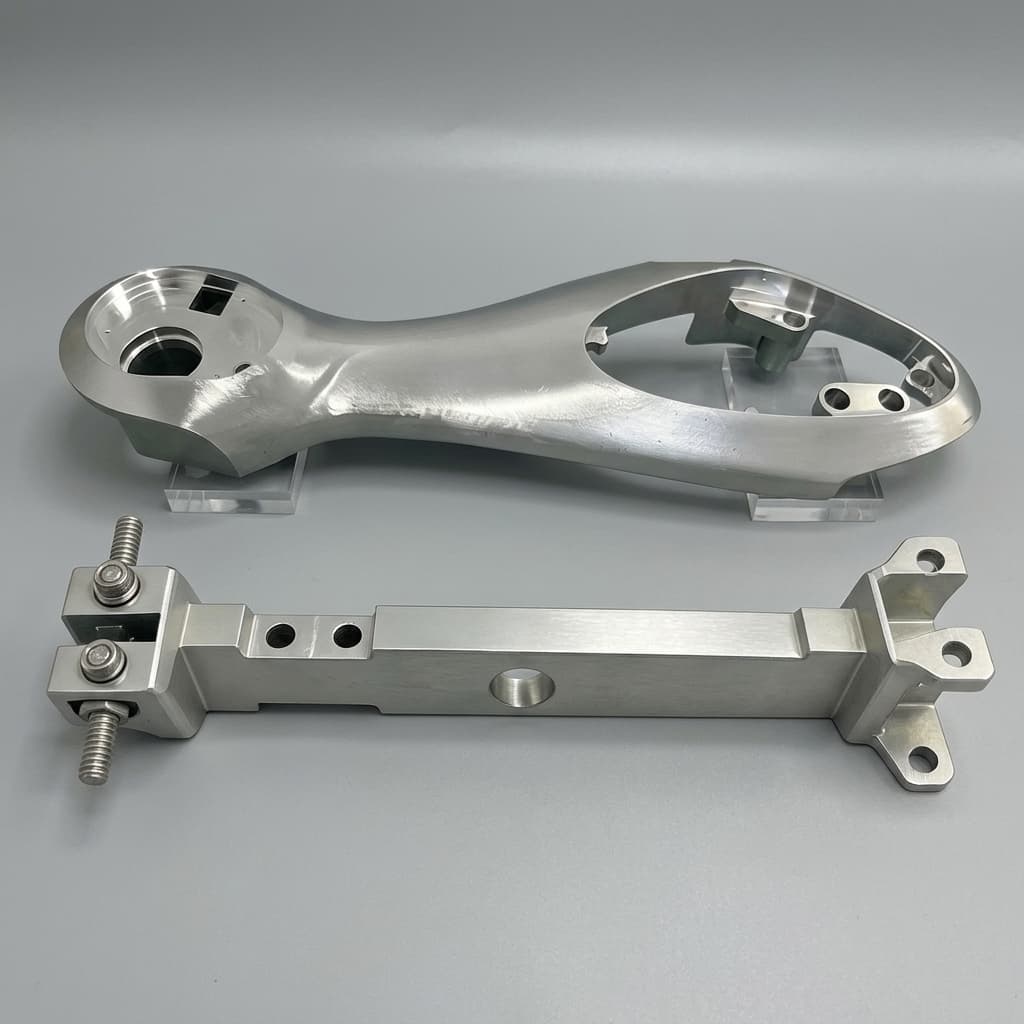
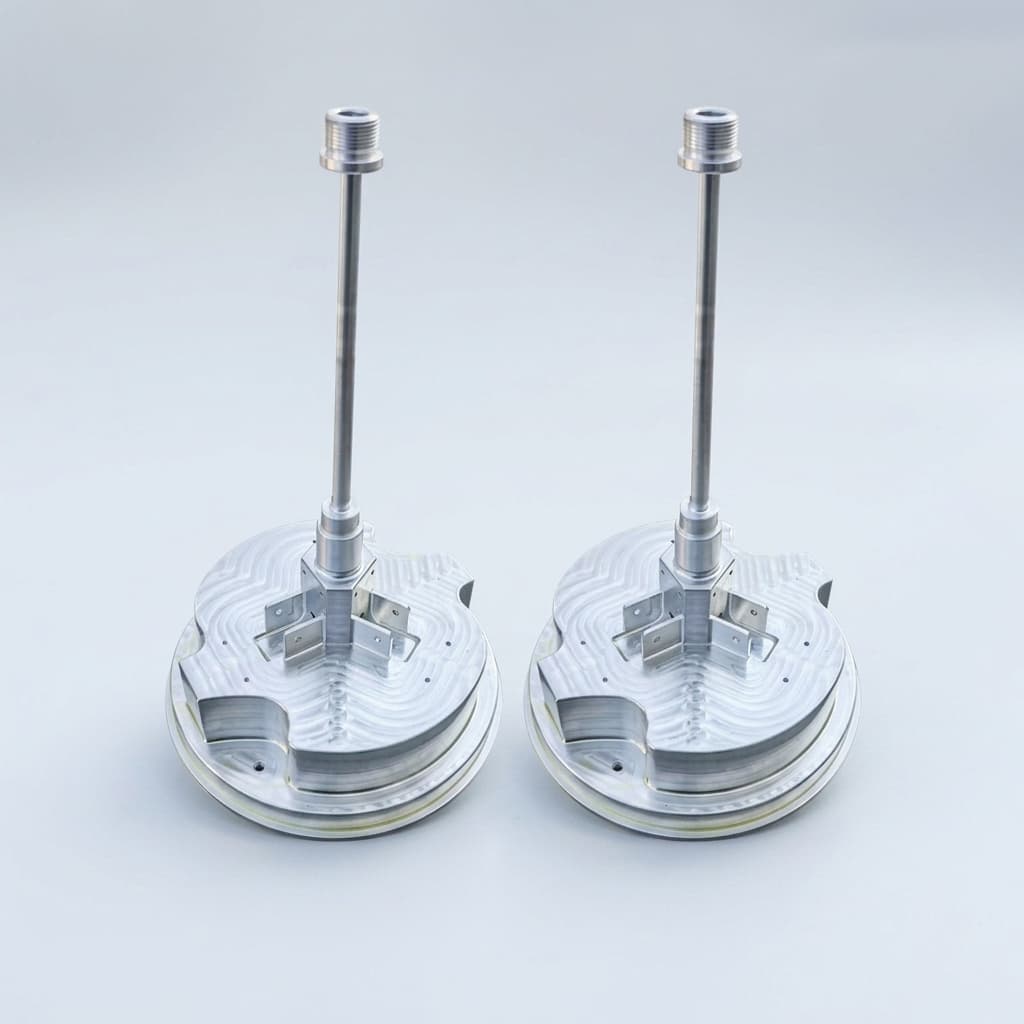
Yes. The specific evidence package should be defined from the drawing, CTQ list, tolerance risk, quantity, and buyer-side incoming inspection process.
When driver or electronics supply is part of the scope, electrical checkpoints and FCT-style acceptance evidence can be planned with the project requirements.
Yes. The RFQ should separate records required with every shipment from audit-only records and one-time sample reports so cost, lead time, and acceptance responsibility are clear.
Inquiry Email
Include target torque/speed, quantity, and delivery location.
Application Engineer
+8618857971991
Talk directly about drawings, torque-speed targets, and RFQ data gaps.