
Custom Humanoid Actuator logoCustom Humanoid Actuator
Start inquiry
Custom Humanoid Actuator logoCustom Humanoid Actuator
WhatsApp
Custom Humanoid Actuator logoCustom Humanoid Actuator

Custom humanoid actuator ODM manufacturing for funded robotics teams, from drawings and prototypes to pilot batches.

Inquiry Email

[email protected]

Email app

Include target torque/speed, quantity, and delivery location.

Application Engineer

+8618857971991

Talk on WhatsApp

Talk directly about drawings, torque-speed targets, and RFQ data gaps.

Products
  • Custom Humanoid Actuator Modules
  • Custom QDD Humanoid Actuators
  • Custom Humanoid Leg Actuators
  • Compact Arm and Wrist Actuators
  • Humanoid Linear Actuator Integration
  • Dexterous Hand Micro Actuators
  • Frameless Hollow Shaft Actuators
  • Custom Reducer Architectures
  • Custom Actuator Housings
Solutions
  • Funded Humanoid Prototype Programs
  • Bipedal Leg Custom Joints
  • Humanoid Arm and Hand Actuation
  • Nonstandard Robot Envelopes
  • Pilot to Mass Production Actuators
OEM Capabilities
  • Drawing-to-Production ODM
  • FEA and Thermal Engineering Review
  • Precision Machining and Metrology
  • BOM Supply Chain Integration
  • Prototype and Pilot Production Control
  • Quality and Engineering Validation
  • Export Packaging and Global Delivery
Resources
  • Engineering Resources
  • Humanoid Robot Guide
  • Sample RFQ Package
  • Evidence Library
  • Test Plan Checklist
  • Backlash Acceptance Method
  • Sample PO Checklist
  • Pilot Readiness Checklist
  • Blog
  • About
  • Contact / RFQ
  • Privacy Policy
  • Cookie Policy
  • Terms of Service
© 2026 Custom Humanoid Actuator. All Rights Reserved.|Custom Humanoid Actuator is operated by Linkup Ai Co., Ltd. Manufacturing support is coordinated through Linkup Precision's advanced manufacturing division.
Legal entity: Linkup Ai Co., Ltd.
Back to OEM Capabilities

FEA and Thermal Engineering Review

Engineering review support for actuator stiffness, housing stress, bearing load, heat path, duty cycle, and thermal derating before prototype release.
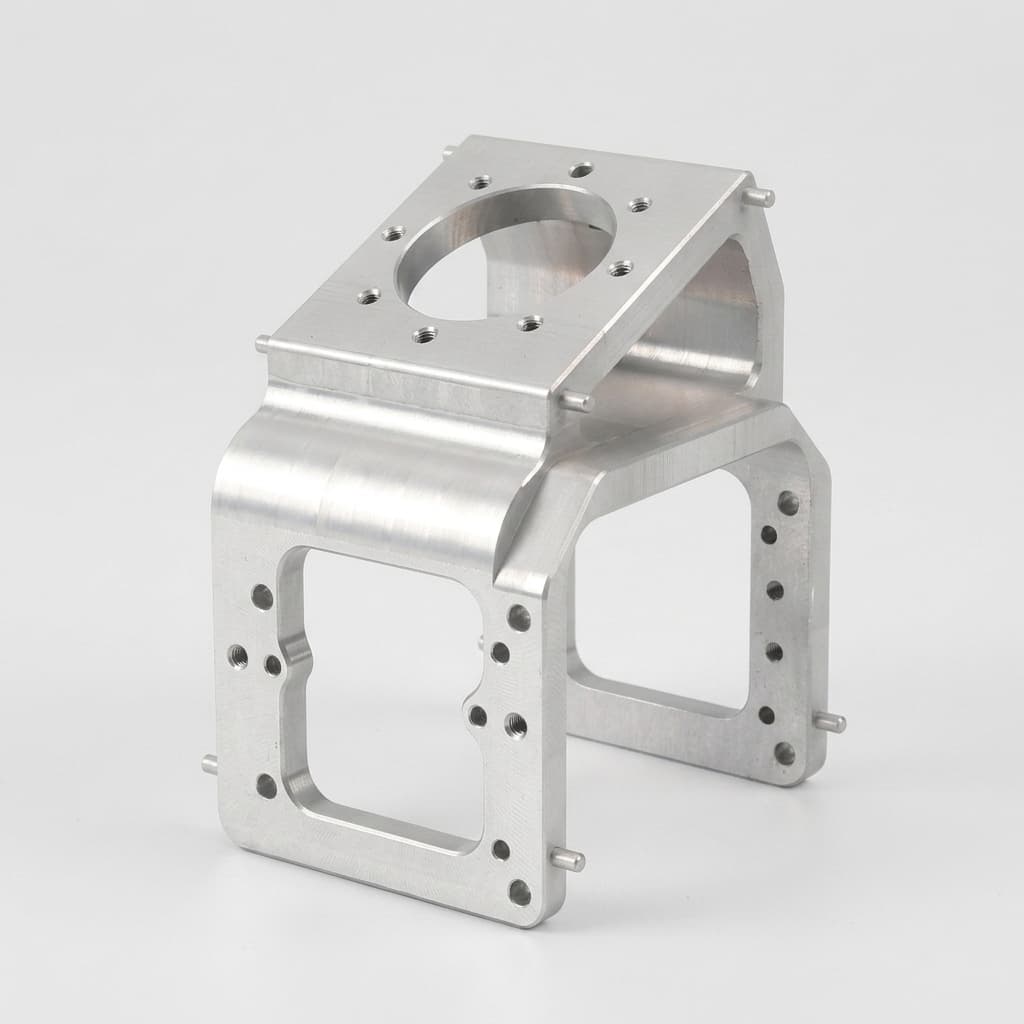
Best Fit ForFor teams that need engineering evidence and risk review before committing money to custom actuator prototypes.
Send evidence requirementsPrepare RFQ baseline
fea thermal engineering review overview

Capability Boundary and Buyer Fit

This capability should help a serious buyer decide what evidence is needed before releasing drawings, samples, NRE, pilot POs, or repeat production.

Best buyer fit

For teams that need engineering evidence and risk review before committing money to custom actuator prototypes.

Primary evidence metric

Thermal derating confidence: Simulation plus prototype test

Risk to control first

Simulation is treated as final proof

Capability Highlights

  • Pre-prototype review of load paths, housing stiffness, bearing support, and failure risks
  • Thermal path and duty-cycle review for compact high-current actuator modules
  • Design feedback that helps reduce sample iterations before tooling or pilot machining

Typical Engagement Scope

  • Humanoid leg and arm actuator feasibility review
  • Thermal derating and housing heat path planning
  • Lightweight structure review for custom actuator casings

Execution Focus

  • Review stress concentration, bearing seats, fastener layout, wall thickness, and thermal contact area
  • Check continuous torque assumptions against heat generation and heat rejection
  • Use simulation outputs as design guidance, then confirm with prototype test data

What This Capability Must Prove

Engineering boundary

What the buyer owns, what the supplier can review, what is frozen, and what remains an open design trade-off.

Manufacturing evidence

DFM notes, machining route, supplier scope, first-article checks, CTQ inspection, assembly controls, or sourcing records.

Validation evidence

Torque-speed, backlash, thermal rise, dynamic load, FCT, burn-in, CMM, traceability, or corrective-action records as relevant.

Commercial handoff

NRE scope, prototype quantity, pilot forecast, reporting format, packaging requirement, Incoterms, and repeat-order assumptions.

Redirect Before OEM Review If

  • The buyer still needs to choose which actuator family or component stack should be quoted. Review product families
  • The buyer is trying to match the capability to a robot program scenario first. Review solution routes
  • The inquiry is missing CAD, torque-speed data, duty cycle, quantities, schedule, or validation requirements. Prepare RFQ baseline

Program Evaluation Matrix

Program MetricTypical RangeProcurement Value
Thermal derating confidenceSimulation plus prototype testHigh torque density is only useful when heat can leave the motor and driver stack reliably.
Load case coverageNominal, peak, impact, stall, and misuse casesFEA is more useful when it covers the cases that can actually break housings, bearings, fasteners, or shafts.
Heat path maturityConcept, CAD contact path, prototype test, pilot evidenceCompact humanoid joints need a visible path from winding and driver heat into housings, frames, or cooling surfaces.

Buyer Inputs and Supplier Outputs

A capability page should turn procurement interest into a usable evidence agreement. These inputs and outputs keep the RFQ from becoming a vague capacity conversation.

Buyer Should Prepare

  • 3D CAD, material assumptions, load cases, duty cycle, temperature limits, and cooling path
  • Target continuous torque, peak torque, ambient condition, and test plan
  • Known risk zones and any previous failure records

Supplier Should Clarify

  • Review stress concentration, bearing seats, fastener layout, wall thickness, and thermal contact area
  • Check continuous torque assumptions against heat generation and heat rejection
  • Use simulation outputs as design guidance, then confirm with prototype test data

Evidence Chain Across the OEM Program

The useful question is not whether a supplier can make one sample. The useful question is whether the evidence from that sample can survive the next release gate.

GateBuyer InputSupplier Output
Requirement BaselineJoint CAD, drawing revision, target performance, package limits, duty cycle, and buyer-owned design boundaries.Feasibility comments, DFM questions, missing-data list, risk register, and quote-scope assumptions.
Sample EvidencePrototype quantity, acceptance limits, CTQ dimensions, test method, report format, and open trade-offs.FAI/CMM scope, sample acceptance record, torque-speed or thermal evidence, issue log, and next-build recommendations.
Pilot ReleaseApproved sample reference, drawing and BOM revision, pilot quantity, incoming inspection plan, and forecast.Release checklist, in-process gates, outgoing report, serial traceability, packaging plan, and corrective-action owner.
Repeat ProductionChange-control rules, demand plan, spare ratio, destination rules, and escalation path for field issues.Revision lock, lot records, yield trend, packaging consistency, export documentation, and issue containment path.

RFQ Preparation Checklist

  1. 3D CAD, material assumptions, load cases, duty cycle, temperature limits, and cooling path
  2. Target continuous torque, peak torque, ambient condition, and test plan
  3. Known risk zones and any previous failure records

Risk and Mitigation

  • Simulation is treated as final proof: Use FEA and thermal review to guide prototypes, then verify with temperature, torque, and cycling tests.
  • Boundary conditions are cleaner than the real robot: Review fixtures, fastener preload, bearing seats, robot-side stiffness, ambient condition, and actual duty cycle assumptions.
  • Thermal path conflicts with packaging constraints: Check motor contact area, driver placement, housing material, surface treatment, cable exits, and neighboring robot structures together.

Start an OEM Capability RFQ

This form is prefilled with FEA and Thermal Engineering Review. Include CAD, drawing revision, CTQ list, torque-speed target, validation evidence required, prototype quantity, pilot forecast, reporting format, and delivery country.
Contact

Use a business email so engineering and purchasing notes can stay traceable.

Program Scope

These fields route the inquiry by humanoid subsystem, project stage, volume, and logistics.

Torque, Motion, and Thermal Targets

TBD values are acceptable, but blank torque and duty-cycle data usually blocks sizing.

Mechanical Interface and Reducer

Package and backlash constraints decide whether an existing platform can be adapted or a new stack is needed.

Electrical, Control, and Validation

Include the control boundary and acceptance evidence needed before pilot production.

Email directly

Complete 8-point engineering datasets are prioritized for technical receipt within 24 hours, DFM questions within 3 business days, and quote direction within 7 business days after the minimum data is complete; actual timing depends on scope, attachment quality, and engineering availability. If the form is unavailable, contact [email protected] or WhatsApp +8618857971991.

Related Products

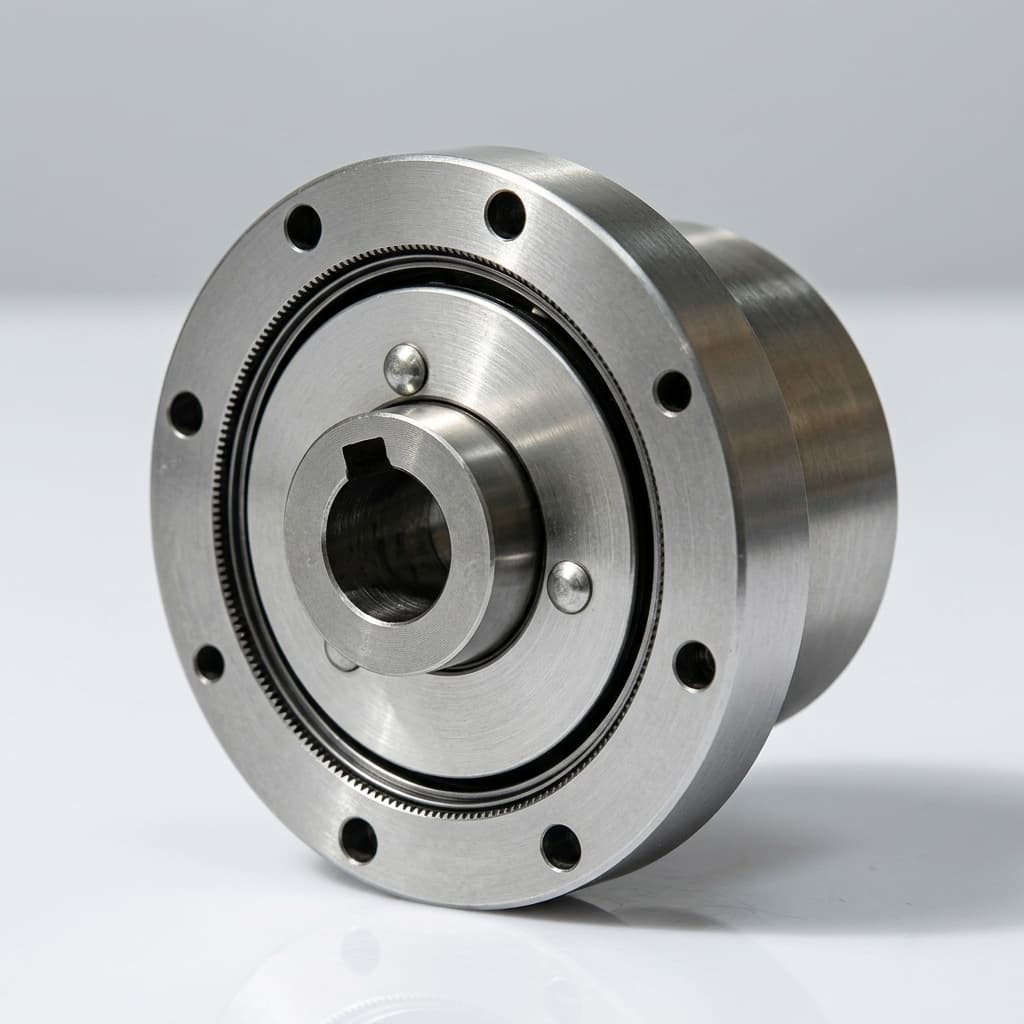
fea thermal engineering review detail view
fea thermal engineering review application example

Buyer FAQ

Do you need final drawings for review?

No. Early CAD can be enough for risk review, but final quotation needs controlled drawings and assumptions.

Can FEA replace prototype testing?

No. It reduces risk before hardware, but actuator approval still needs physical temperature, load, backlash, or cycling evidence.

What thermal inputs should buyers send?

Send continuous and peak torque, duty cycle, ambient condition, allowed temperature rise, cooling assumptions, driver location, and test method.

Related Resources

  • Thermal Derating Guide
  • Custom Actuator Housings and Interfaces
  • Quality and Engineering Validation
  • Humanoid Actuator Test Plan Checklist
  • Contact / RFQ

Inquiry Email

[email protected]

Email app

Include target torque/speed, quantity, and delivery location.

Application Engineer

+8618857971991

Talk on WhatsApp

Talk directly about drawings, torque-speed targets, and RFQ data gaps.