
Best buyer fit
For professional teams that want one ODM contact to coordinate complex actuator manufacturing instead of managing many disconnected suppliers.
A structured custom humanoid actuator ODM workflow from concept review and drawing pack cleanup to prototype build, pilot validation, and repeat manufacturing.
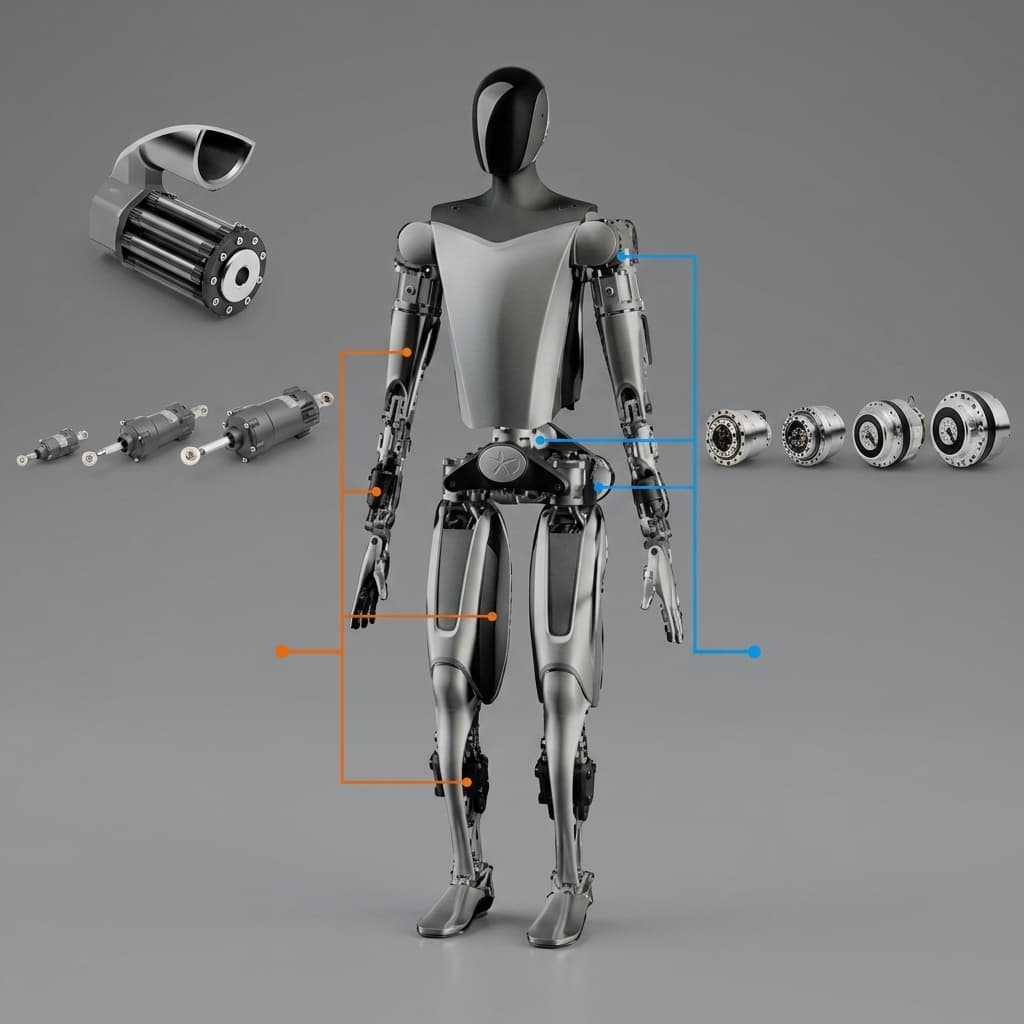
This capability should help a serious buyer decide what evidence is needed before releasing drawings, samples, NRE, pilot POs, or repeat production.
For professional teams that want one ODM contact to coordinate complex actuator manufacturing instead of managing many disconnected suppliers.
Revision discipline: EVT, DVT, pilot, production
Unclear IP and design responsibility slow quotation and execution
What the buyer owns, what the supplier can review, what is frozen, and what remains an open design trade-off.
DFM notes, machining route, supplier scope, first-article checks, CTQ inspection, assembly controls, or sourcing records.
Torque-speed, backlash, thermal rise, dynamic load, FCT, burn-in, CMM, traceability, or corrective-action records as relevant.
NRE scope, prototype quantity, pilot forecast, reporting format, packaging requirement, Incoterms, and repeat-order assumptions.
| Program Metric | Typical Range | Procurement Value |
|---|---|---|
| Revision discipline | EVT, DVT, pilot, production | Custom actuator programs fail when every prototype becomes a new undocumented variant. |
| DFM question closure | Open, reviewed, accepted, or rejected with reason | A drawing-to-production program moves faster when manufacturability questions are closed before machining starts. |
| Gate ownership | Buyer, supplier, or shared review | Prototype, EVT, DVT, pilot, and production gates need named owners so acceptance does not become informal. |
A capability page should turn procurement interest into a usable evidence agreement. These inputs and outputs keep the RFQ from becoming a vague capacity conversation.
The useful question is not whether a supplier can make one sample. The useful question is whether the evidence from that sample can survive the next release gate.
| Gate | Buyer Input | Supplier Output |
|---|---|---|
| Requirement Baseline | Joint CAD, drawing revision, target performance, package limits, duty cycle, and buyer-owned design boundaries. | Feasibility comments, DFM questions, missing-data list, risk register, and quote-scope assumptions. |
| Sample Evidence | Prototype quantity, acceptance limits, CTQ dimensions, test method, report format, and open trade-offs. | FAI/CMM scope, sample acceptance record, torque-speed or thermal evidence, issue log, and next-build recommendations. |
| Pilot Release | Approved sample reference, drawing and BOM revision, pilot quantity, incoming inspection plan, and forecast. | Release checklist, in-process gates, outgoing report, serial traceability, packaging plan, and corrective-action owner. |
| Repeat Production | Change-control rules, demand plan, spare ratio, destination rules, and escalation path for field issues. | Revision lock, lot records, yield trend, packaging consistency, export documentation, and issue containment path. |
This form is prefilled with Drawing-to-Production ODM. Include CAD, drawing revision, CTQ list, torque-speed target, validation evidence required, prototype quantity, pilot forecast, reporting format, and delivery country.
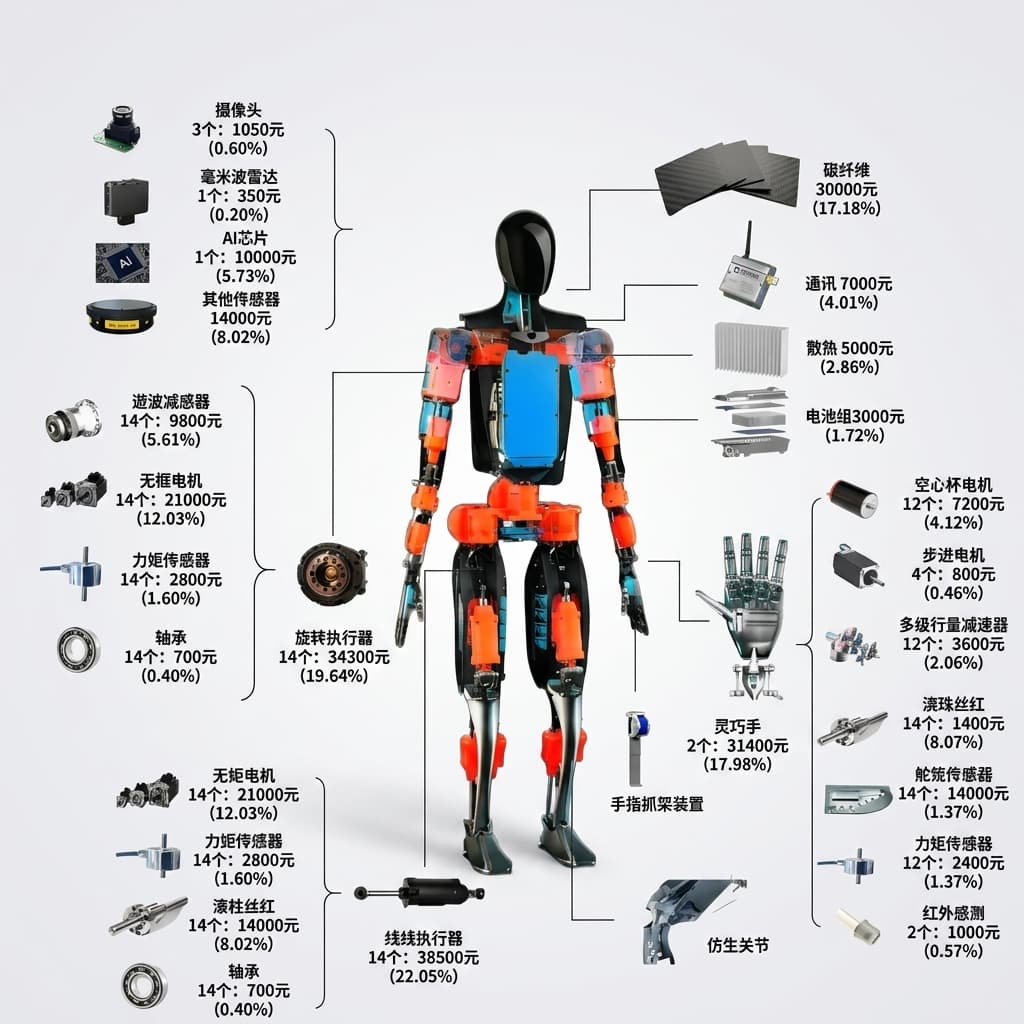
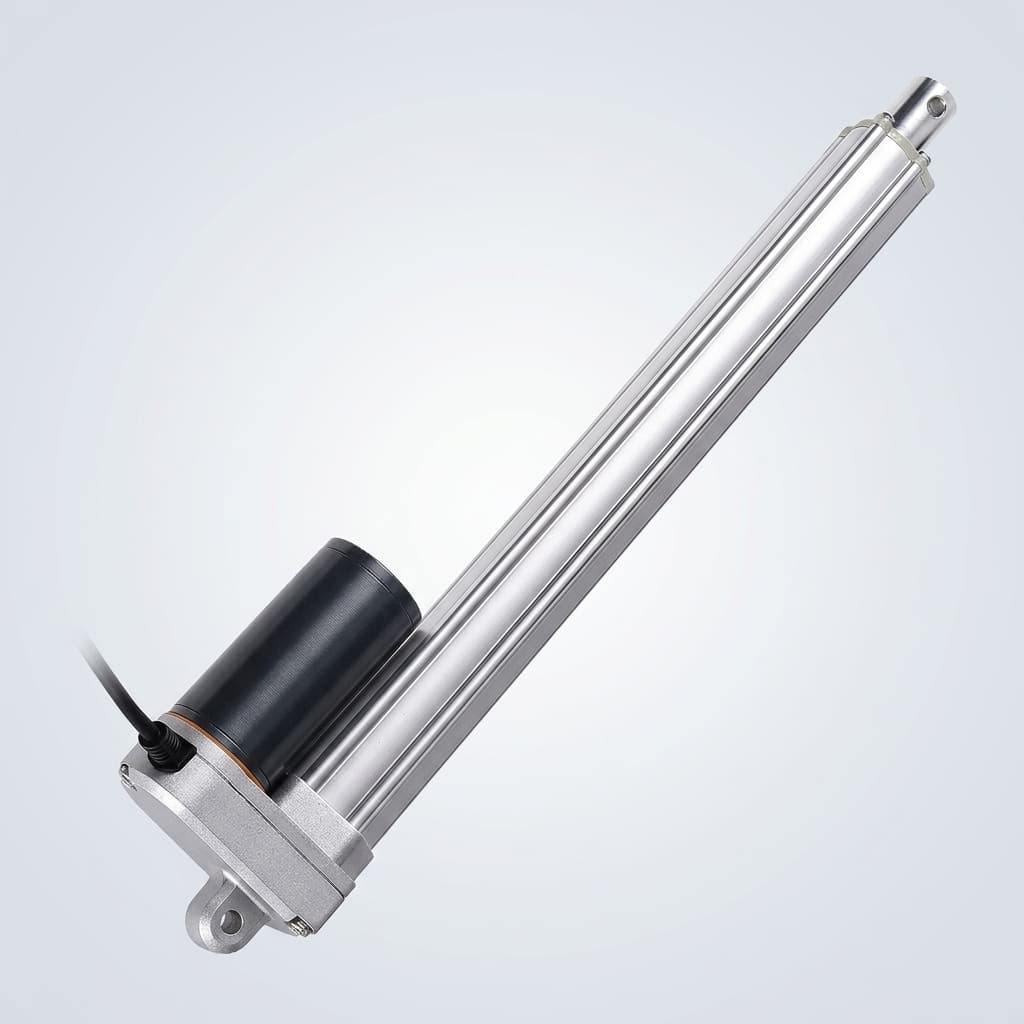
Yes. NDA-based review can be used for serious custom humanoid actuator programs before detailed quotation.
The first useful output is usually a DFM question list, risk notes, missing RFQ data, sample scope, and evidence plan.
Some can, but torque-speed targets, envelope limits, CTQ dimensions, acceptance tests, and quantity stage should be stated clearly.
Inquiry Email
Include target torque/speed, quantity, and delivery location.
Application Engineer
+8618857971991
Talk directly about drawings, torque-speed targets, and RFQ data gaps.