
Custom Humanoid Actuator logoCustom Humanoid Actuator
Start inquiry
Custom Humanoid Actuator logoCustom Humanoid Actuator
WhatsApp
Custom Humanoid Actuator logoCustom Humanoid Actuator

Custom humanoid actuator ODM manufacturing for funded robotics teams, from drawings and prototypes to pilot batches.

Inquiry Email

[email protected]

Email app

Include target torque/speed, quantity, and delivery location.

Application Engineer

+8618857971991

Talk on WhatsApp

Talk directly about drawings, torque-speed targets, and RFQ data gaps.

Products
  • Custom Humanoid Actuator Modules
  • Custom QDD Humanoid Actuators
  • Custom Humanoid Leg Actuators
  • Compact Arm and Wrist Actuators
  • Humanoid Linear Actuator Integration
  • Dexterous Hand Micro Actuators
  • Frameless Hollow Shaft Actuators
  • Custom Reducer Architectures
  • Custom Actuator Housings
Solutions
  • Funded Humanoid Prototype Programs
  • Bipedal Leg Custom Joints
  • Humanoid Arm and Hand Actuation
  • Nonstandard Robot Envelopes
  • Pilot to Mass Production Actuators
OEM Capabilities
  • Drawing-to-Production ODM
  • FEA and Thermal Engineering Review
  • Precision Machining and Metrology
  • BOM Supply Chain Integration
  • Prototype and Pilot Production Control
  • Quality and Engineering Validation
  • Export Packaging and Global Delivery
Resources
  • Engineering Resources
  • Humanoid Robot Guide
  • Sample RFQ Package
  • Evidence Library
  • Test Plan Checklist
  • Backlash Acceptance Method
  • Sample PO Checklist
  • Pilot Readiness Checklist
  • Blog
  • About
  • Contact / RFQ
  • Privacy Policy
  • Cookie Policy
  • Terms of Service
© 2026 Custom Humanoid Actuator. All Rights Reserved.|Custom Humanoid Actuator is operated by Linkup Ai Co., Ltd. Manufacturing support is coordinated through Linkup Precision's advanced manufacturing division.
Legal entity: Linkup Ai Co., Ltd.
← Back to Products

Custom Humanoid Actuator Modules

ODM-built humanoid robot actuator modules for teams that already have a joint envelope, torque target, and integration constraints but need a manufacturing partner to turn drawings into prototype, pilot, and production hardware.
Target Buyer:Best for professional humanoid robot teams with CAD, joint maps, and funding that need a custom actuator supplier instead of a simple catalog sample.
Send CAD for RFQ ReviewCheck RFQ Baseline
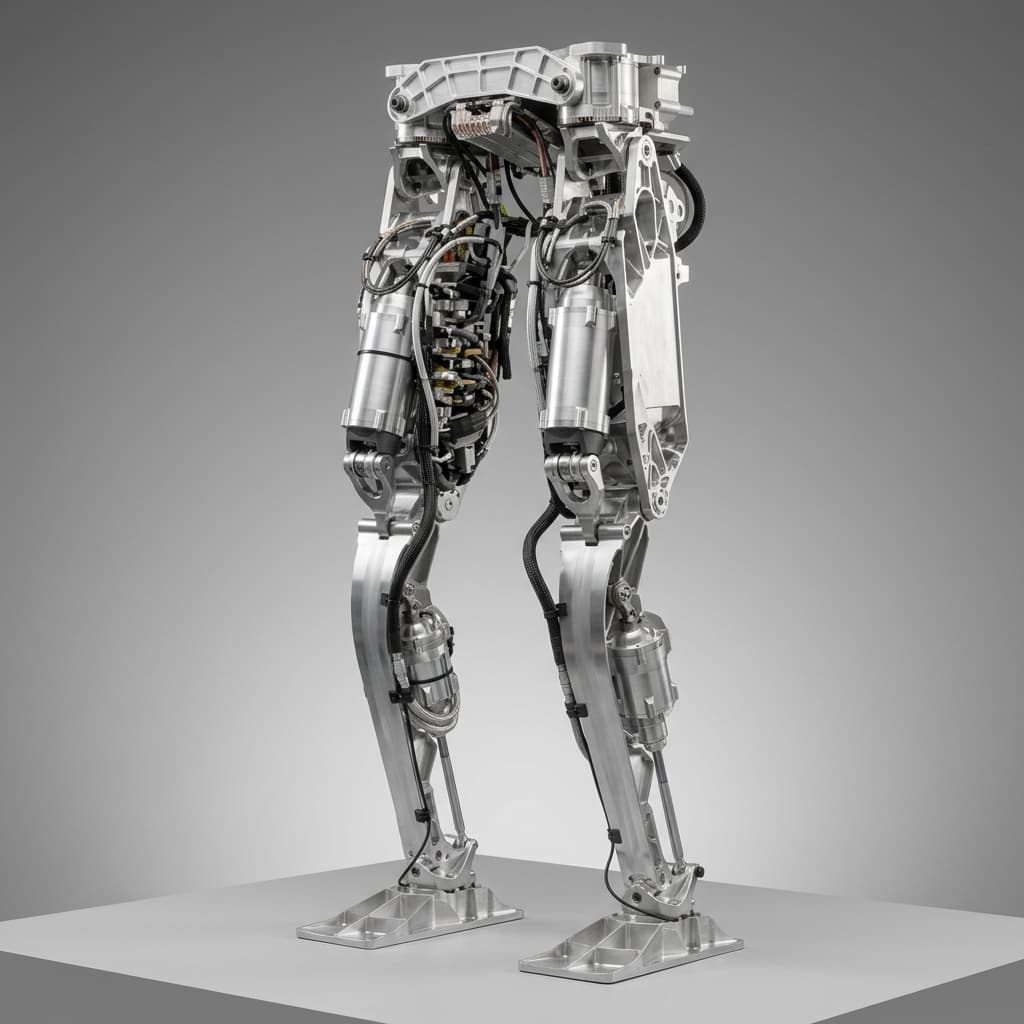
custom humanoid actuator modules overview

Custom Program Fit, Not Standard Model Browsing

This page should help a robotics buyer decide whether this product family belongs in the RFQ path and what evidence must be attached before a prototype or pilot order is credible.

Who this fits

Best for professional humanoid robot teams with CAD, joint maps, and funding that need a custom actuator supplier instead of a simple catalog sample.

First engineering metric

Custom envelope fit: Customer drawing driven

Pilot risk to control

A prototype meets peak torque but overheats during repeated walking or lifting cycles

Capability Highlights

  • Custom rotary joint modules built around customer CAD, torque-speed targets, mounting pattern, and cable path
  • Motor, reducer, encoder, brake, housing, driver, and harness options coordinated as one actuator stack
  • Prototype-to-production workflow with revision control, sample evidence, pilot builds, and repeatable outgoing inspection

Typical Applications

  • Humanoid robot hip, knee, ankle, shoulder, elbow, wrist, and neck joints
  • Funded robotics startup prototypes and pilot builds
  • Special joint envelopes where catalog actuators do not fit

Best-Fit Buying Signals

  • Humanoid robot hip, knee, ankle, shoulder, elbow, wrist, and neck joints
  • Custom rotary joint modules built around customer CAD, torque-speed targets, mounting pattern, and cable path
  • Translate joint torque, speed, duty cycle, thermal path, and mechanical envelope into a manufacturable actuator stack

Redirect the RFQ If

  • Architecture still undecided: Compare QDD, harmonic, cycloidal, planetary, linear, and hybrid reducer paths before freezing the actuator drawing.
  • Only the mechanical housing is in scope: Route the inquiry to precision housings, bearing seats, flanges, shafts, datum control, and inspection evidence.
  • No RFQ baseline exists yet: Build the first-pass package around CAD, torque-speed, duty cycle, envelope, quantities, and acceptance tests.

Engineering Focus

  • Translate joint torque, speed, duty cycle, thermal path, and mechanical envelope into a manufacturable actuator stack
  • Review reducer architecture, motor winding, encoder layout, brake need, connector location, and harness exit before prototype release
  • Freeze interface drawings and CTQ checkpoints before moving from engineering sample to pilot order

Key Evaluation Matrix

MetricTypical RangeWhy It Matters
Custom envelope fitCustomer drawing drivenMost funded humanoid projects fail with catalog actuators because axial length, cable exit, bearing support, or mounting geometry does not match the robot body.
Torque densityJoint and cooling path dependentHumanoid teams need high torque in low mass, but continuous torque must be checked against heat path and allowable current.
Revision controlPrototype, EVT, DVT, pilot, productionNonstandard actuator programs need clean drawing freezes to avoid endless sample churn and supplier ambiguity.

Evidence to Request Before Pilot Release

Product selection is only useful when it connects to a buyer-visible evidence path. These proof gates turn the page from a capability description into an RFQ checklist.

Proof GateEvidence to Ask For
Drawing baselineCAD package, controlled drawing revision, CTQ list, open trade-offs, NRE scope, and prototype/pilot responsibility.
RFQ evidence packageBuyer-side package with joint map, CAD/drawing baseline, torque-speed or force-stroke targets, validation request, pilot quantity, and report expectations.
Evidence libraryStage-by-stage map for CMM, FAI, actuator validation, electronics/FCT, traceability, NCR, packaging, and pilot release records.
Test plan checklistOperating cycle, fixture boundary, torque-speed or force-stroke method, thermal-rise setup, backlash method, FCT, endurance, and report handoff.
Sample PO checklistDrawing revision, CTQ acceptance limits, report deliverables, sample variants, buyer-supplied boundaries, change rules, packaging, and delivery records.
Manufacturing proofFAI, CMM, datum checks, bearing fit, flange flatness, output runout, surface treatment, and outgoing reports.
Actuator validationTorque-speed, thermal rise, backlash, noise, FCT, burn-in, traceability, nonconformance, and pilot release records.
BOM and sourcing controlApproved parts, restricted suppliers, substitutions, lead time, firmware boundary, harness, packaging, and second-source risk.

RFQ Checklist

  1. Joint position, robot mass, continuous torque, peak torque, speed, and duty cycle
  2. CAD envelope, flange drawing, output interface, cable path, and connector preference
  3. Voltage, protocol, encoder, brake, driver location, and firmware responsibility
  4. Prototype quantity, pilot forecast, annual volume, destination country, and target delivery date

Risk Controls

  • A prototype meets peak torque but overheats during repeated walking or lifting cycles: Quote against duty cycle, thermal resistance, housing heat path, winding temperature, and derated continuous torque, not peak torque alone.
  • The custom module fits CAD but cannot be assembled or serviced at pilot volume: Run DFM review for fasteners, bearing stack, cable bend radius, encoder access, seal layout, and outgoing test fixtures before pilot release.

Prototype to Pilot Workflow

A serious custom actuator inquiry should show how the selected product family moves from feasibility review into repeatable pilot manufacturing.

Step 1

Feasibility

Review CAD, joint load, envelope, thermal boundary, cable path, and custom actuator architecture risk.

Step 2

Prototype

Build the first sample against defined torque-speed, fit, electrical, mechanical, and inspection assumptions.

Step 3

EVT / DVT

Run thermal, backlash, noise, endurance, impact, metrology, and functional checks against the application duty cycle.

Step 4

Pilot

Freeze drawing/BOM revisions, evidence package, outgoing inspection, packaging, spare strategy, and repeat-build controls.

Start a Product-Specific RFQ

This form is prefilled with Custom Humanoid Actuator Modules. Add CAD envelope, torque-speed target, duty cycle, validation needs, quantity, and schedule so the response can start with DFM questions instead of generic sample pricing.
Contact

Use a business email so engineering and purchasing notes can stay traceable.

Program Scope

These fields route the inquiry by humanoid subsystem, project stage, volume, and logistics.

Torque, Motion, and Thermal Targets

TBD values are acceptable, but blank torque and duty-cycle data usually blocks sizing.

Mechanical Interface and Reducer

Package and backlash constraints decide whether an existing platform can be adapted or a new stack is needed.

Electrical, Control, and Validation

Include the control boundary and acceptance evidence needed before pilot production.

Email directly

Complete 8-point engineering datasets are prioritized for technical receipt within 24 hours, DFM questions within 3 business days, and quote direction within 7 business days after the minimum data is complete; actual timing depends on scope, attachment quality, and engineering availability. If the form is unavailable, contact [email protected] or WhatsApp +8618857971991.

Product Gallery

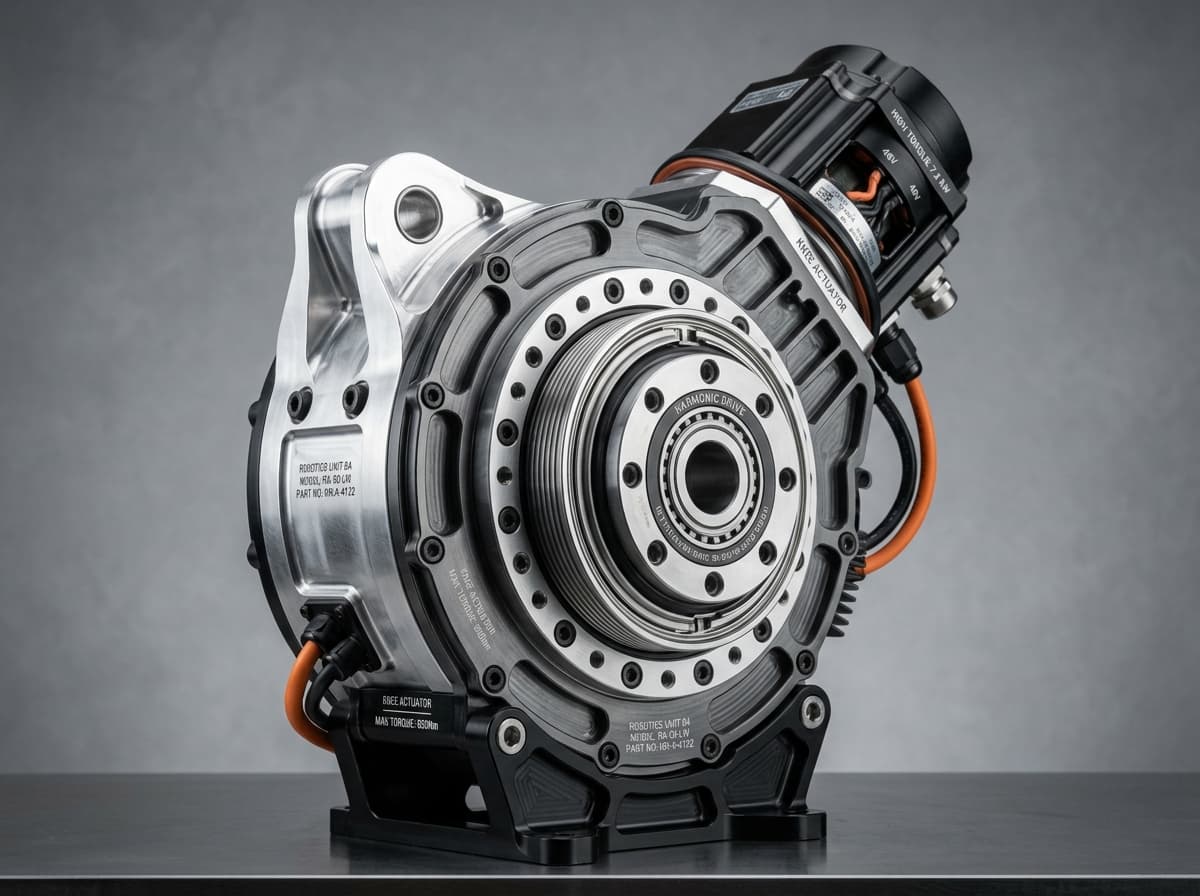
custom humanoid actuator modules detail view
custom humanoid actuator modules application example

Buyer FAQ

Do you only sell standard humanoid actuator models?

No. This project is positioned for custom humanoid actuator ODM work. Standard components can be used as building blocks, but the main value is custom packaging, interface, BOM integration, and manufacturing execution.

What do you need before quoting a custom actuator?

Send the joint map, CAD envelope, torque-speed target, duty cycle, voltage, protocol, encoder/brake expectations, prototype quantity, and forecast. A rough drawing is enough for initial feasibility review.

Related Resources

  • Drawing-to-Production ODM
  • BOM Integration and Sourcing Guide
  • Contact / RFQ

Inquiry Email

[email protected]

Email app

Include target torque/speed, quantity, and delivery location.

Application Engineer

+8618857971991

Talk on WhatsApp

Talk directly about drawings, torque-speed targets, and RFQ data gaps.