
Custom Humanoid Actuator logoCustom Humanoid Actuator
Start inquiry
Custom Humanoid Actuator logoCustom Humanoid Actuator
WhatsApp
Custom Humanoid Actuator logoCustom Humanoid Actuator

Custom humanoid actuator ODM manufacturing for funded robotics teams, from drawings and prototypes to pilot batches.

Inquiry Email

[email protected]

Email app

Include target torque/speed, quantity, and delivery location.

Application Engineer

+8618857971991

Talk on WhatsApp

Talk directly about drawings, torque-speed targets, and RFQ data gaps.

Products
  • Custom Humanoid Actuator Modules
  • Custom QDD Humanoid Actuators
  • Custom Humanoid Leg Actuators
  • Compact Arm and Wrist Actuators
  • Humanoid Linear Actuator Integration
  • Dexterous Hand Micro Actuators
  • Frameless Hollow Shaft Actuators
  • Custom Reducer Architectures
  • Custom Actuator Housings
Solutions
  • Funded Humanoid Prototype Programs
  • Bipedal Leg Custom Joints
  • Humanoid Arm and Hand Actuation
  • Nonstandard Robot Envelopes
  • Pilot to Mass Production Actuators
OEM Capabilities
  • Drawing-to-Production ODM
  • FEA and Thermal Engineering Review
  • Precision Machining and Metrology
  • BOM Supply Chain Integration
  • Prototype and Pilot Production Control
  • Quality and Engineering Validation
  • Export Packaging and Global Delivery
Resources
  • Engineering Resources
  • Humanoid Robot Guide
  • Sample RFQ Package
  • Evidence Library
  • Test Plan Checklist
  • Backlash Acceptance Method
  • Sample PO Checklist
  • Pilot Readiness Checklist
  • Blog
  • About
  • Contact / RFQ
  • Privacy Policy
  • Cookie Policy
  • Terms of Service
© 2026 Custom Humanoid Actuator. All Rights Reserved.|Custom Humanoid Actuator is operated by Linkup Ai Co., Ltd. Manufacturing support is coordinated through Linkup Precision's advanced manufacturing division.
Legal entity: Linkup Ai Co., Ltd.
Back to Solutions

Bipedal Leg Custom Joints

Custom actuator support for humanoid leg joints where load, impact, balance recovery, brake behavior, and thermal stability define the design.
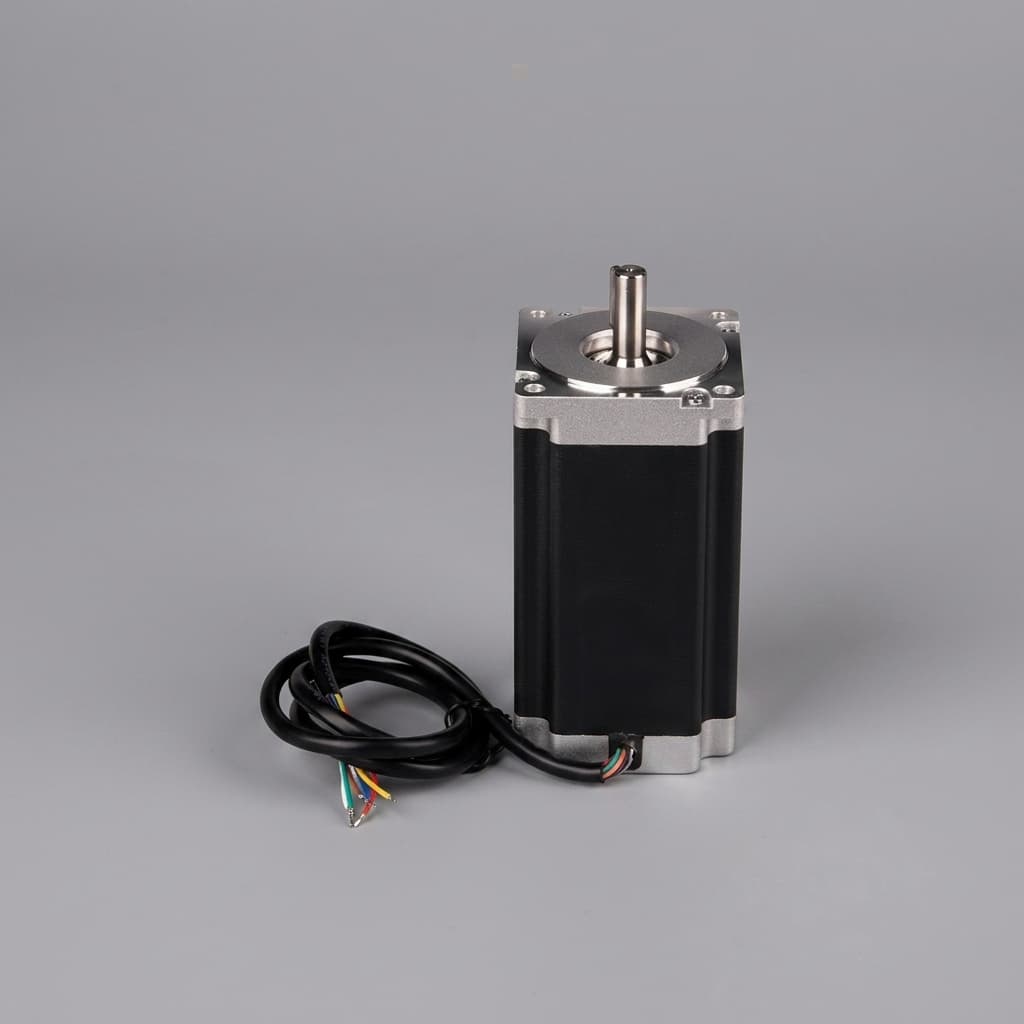
Target BuyerFor teams that need lower-body custom actuators with real load margin, not demonstration-only motion.
Send scenario dataPrepare RFQ baseline
bipedal leg custom joints overview

Solution Fit for a Custom ODM Program

Use this page when the buyer is choosing a development route for a funded humanoid robot program, not browsing a standard actuator catalog.

Best buyer fit

For teams that need lower-body custom actuators with real load margin, not demonstration-only motion.

First metric to clarify

Lower-body load margin: Robot and gait dependent

Primary risk to control

The leg actuator is sized from a static torque number only

Solution Highlights

  • Hip, knee, and ankle actuator architecture support
  • Impact-load, moment-load, and brake requirement review
  • Thermal and mechanical acceptance planning for gait testing

Common Use Cases

  • Humanoid hip pitch and roll joints
  • Humanoid knee actuators
  • Ankle pitch and roll modules

Implementation Focus

  • Translate robot mass and gait profile into actuator sizing and thermal derating
  • Review reducer, brake, bearing, and housing choices against impact loads
  • Define validation records for temperature, backlash, noise, and joint play

Best-Fit Scenario Signals

  • The selected joint or subsystem is tied to a funded humanoid robot program, not a generic component search.
  • The use case includes humanoid hip pitch and roll joints and needs custom packaging, performance, or pilot support.
  • Prototype decisions must remain usable for pilot builds, inspection records, spare strategy, and long-term support.

Redirect Before RFQ If

  • The buyer still needs to compare actuator component families before choosing a scenario path. Review product families
  • The blocking issue is drawing ownership, NRE scope, revision control, or supplier responsibility. Review ODM workflow
  • The inquiry lacks joint CAD, torque-speed targets, quantities, schedule, or acceptance criteria. Prepare RFQ baseline

Application Evaluation Matrix

Evaluation MetricTypical RangeBuyer Relevance
Lower-body load marginRobot and gait dependentLeg actuators carry the platform and absorb impact, so undersizing creates mechanical and control instability.
Thermal duty marginContinuous, peak, stall, and recovery cyclesWalking robots repeat high-current events, so peak torque claims need a duty-cycle and heat-rejection check.
Impact and brake caseNormal gait, disturbance, fall, and locked brakeLower-body joints need mechanical protection for events that are not visible in a simple steady torque number.

Evidence Package for This Scenario

Send enough evidence to let engineering qualify feasibility, quotation scope, prototype validation, and pilot readiness in the same review loop.

EvidenceWhat to SendRelated Path
Joint and program baselineRobot phase, joint map, prototype deadline, pilot date, quantity range, and responsible engineering contact.RFQ intake
Architecture constraintsMotor, reducer, encoder, driver, brake, voltage, control, bearing, housing, cable, and interface constraints.Product families
Load and thermal assumptionsTorque-speed targets, duty cycle, peak load duration, ambient limit, heat path, impact load, and known failure risks.FEA and thermal review
Validation and inspection planTorque-speed, backlash, noise, thermal, electrical, dimensional, incoming, in-process, and outgoing inspection needs.Quality validation
Prototype-to-pilot release dataApproved sample reference, drawing revision, BOM revision, test records, CTQ list, pilot quantity, and forecast.Pilot control

RFQ Preparation Checklist

  1. Robot mass, payload, joint load cases, gait assumptions, and fall-event assumptions
  2. CAD envelope, output bearing strategy, brake need, and safety behavior
  3. Prototype and pilot quantities with acceptance criteria

Risk and Mitigation

  • The leg actuator is sized from a static torque number only: Include gait duty cycle, overload duration, impact loads, brake state, and continuous thermal limits.
  • Brake behavior is specified too late: Define power-off state, holding torque, release time, backdriving expectation, and safety behavior before sample release.
  • Output bearing load is treated as a separate mechanical issue: Review reducer, output bearing, shaft, flange, housing stiffness, and robot-side load path as one joint stack.

Scenario-to-Pilot Workflow

A solution path should shorten the distance from buyer intent to qualified hardware, while keeping prototype evidence useful for the next build stage.

Step 1

Scenario Fit

Confirm the buyer problem, robot phase, custom constraint, and whether this solution path is the right starting point.

Step 2

Architecture Review

Connect the scenario to motor, reducer, encoder, brake, driver, housing, bearing, thermal, and cable decisions.

Step 3

Sample Evidence

Define acceptance tests before prototype release so sample feedback can be reused during pilot planning.

Step 4

Pilot Handoff

Freeze drawings, BOM, CTQ dimensions, inspection gates, packing requirements, and repeat delivery expectations.

Start a Scenario-Specific RFQ

This form is prefilled with Bipedal Leg Custom Joints. Include CAD, joint map, torque-speed target, duty cycle, envelope limits, prototype quantity, pilot schedule, and acceptance tests.
Contact

Use a business email so engineering and purchasing notes can stay traceable.

Program Scope

These fields route the inquiry by humanoid subsystem, project stage, volume, and logistics.

Torque, Motion, and Thermal Targets

TBD values are acceptable, but blank torque and duty-cycle data usually blocks sizing.

Mechanical Interface and Reducer

Package and backlash constraints decide whether an existing platform can be adapted or a new stack is needed.

Electrical, Control, and Validation

Include the control boundary and acceptance evidence needed before pilot production.

Email directly

Complete 8-point engineering datasets are prioritized for technical receipt within 24 hours, DFM questions within 3 business days, and quote direction within 7 business days after the minimum data is complete; actual timing depends on scope, attachment quality, and engineering availability. If the form is unavailable, contact [email protected] or WhatsApp +8618857971991.

Recommended Products

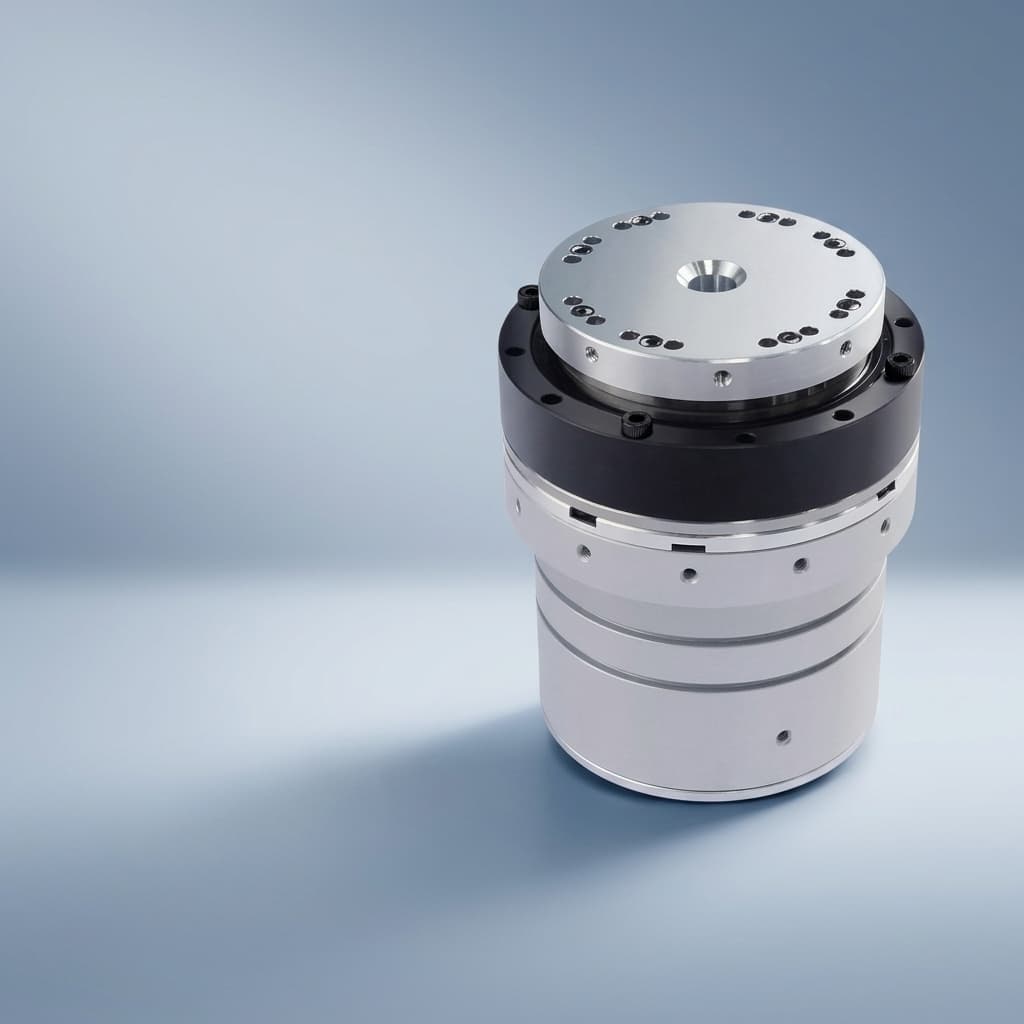
bipedal leg custom joints detail view
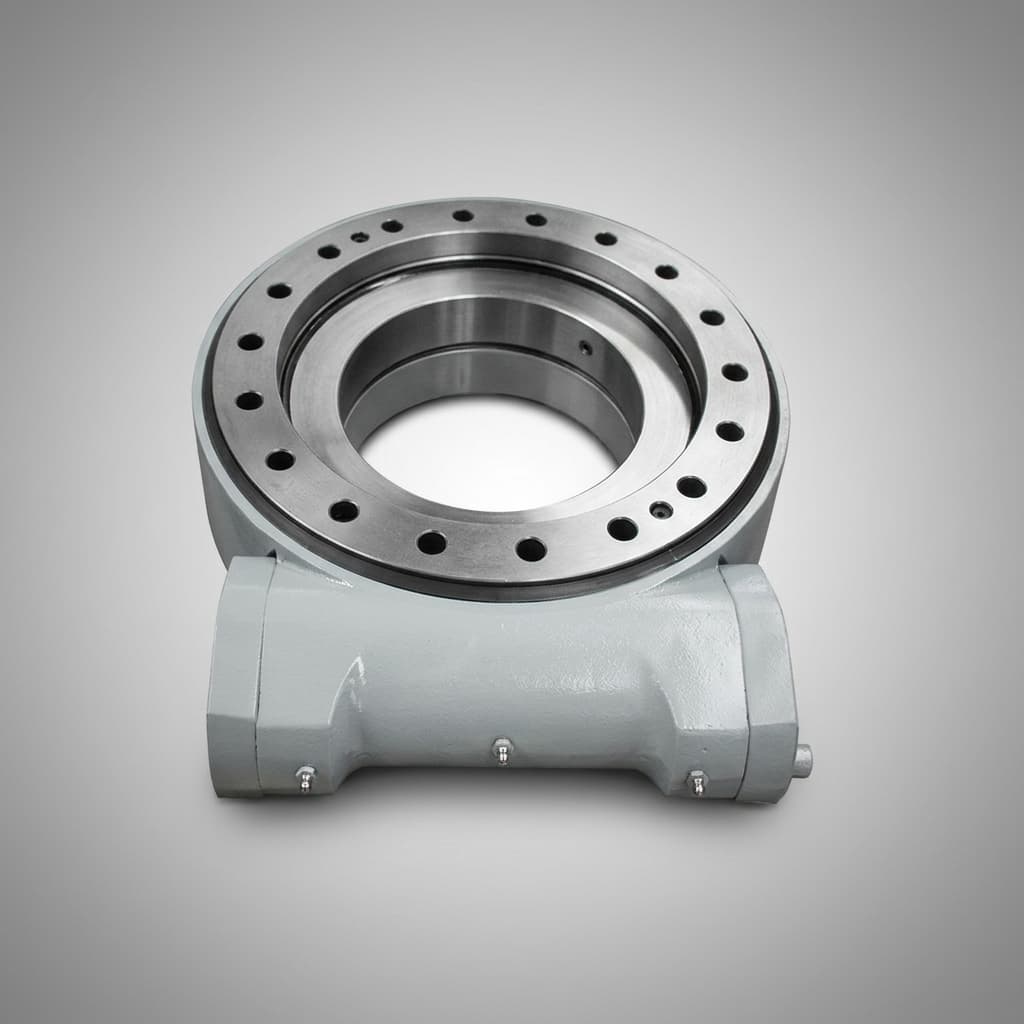
bipedal leg custom joints application example

Buyer FAQ

Can the same actuator family cover hip, knee, and ankle?

Sometimes, but each joint should be checked separately because output load, speed, brake, and packaging needs differ.

What data matters most for leg joint sizing?

Robot mass, link lengths, payload, gait cycle, impact assumptions, brake state, thermal limit, and CAD envelope are the highest-value inputs.

Should ankle joints use the same design logic as knee joints?

No. Ankles often have tighter packaging, different side loads, and different speed or compliance expectations than knees.

Related Resources

  • Custom Humanoid Leg Actuators
  • QDD Actuator Design for Bipedal Humanoid Legs
  • Thermal Derating Guide
  • Backlash Testing RFQ Guide
  • Quality and Engineering Validation
  • Contact / RFQ

Inquiry Email

[email protected]

Email app

Include target torque/speed, quantity, and delivery location.

Application Engineer

+8618857971991

Talk on WhatsApp

Talk directly about drawings, torque-speed targets, and RFQ data gaps.