
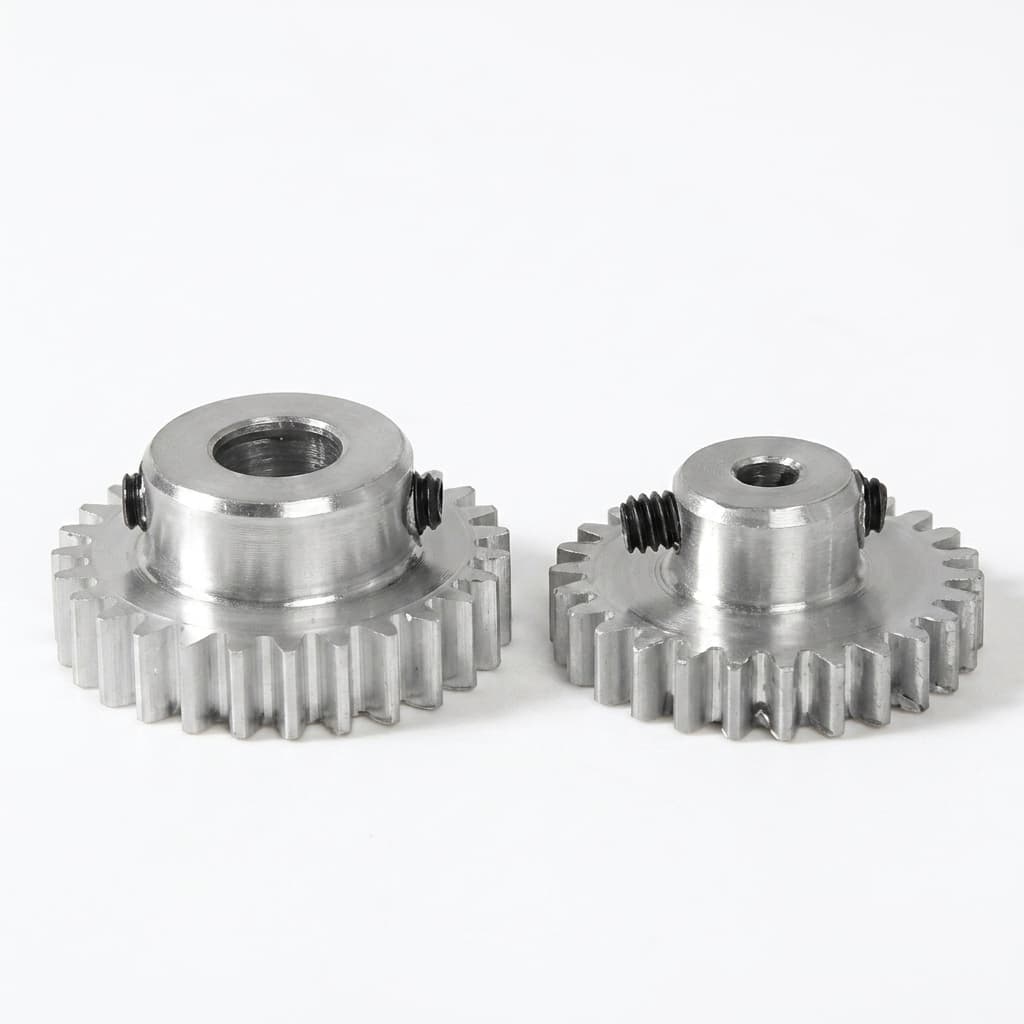
Custom Humanoid Actuator ODM RFQ Guide
How to prepare a serious custom humanoid actuator RFQ with CAD, torque-speed targets, thermal assumptions, interfaces, and pilot-build expectations.
Custom humanoid actuator programs fail most often when the Request for Quotation (RFQ) is written like a catalog part search instead of a controlled engineering package. A serious supplier needs more than "we need a 48V actuator for a knee joint."
Executive Summary (TL;DR)
- Sourcing Model: A custom humanoid actuator RFQ must define the program stage (EVT/DVT/PVT) to align NRE expectations.
- Required Data: Buyers must provide CAD bounding boxes, RMS torque-speed profiles, and thermal limits, not just peak torque.
- Validation: Serious ODM RFQs demand FAI (CMM), torque-speed dynamometer plots, and burn-in records before commercial terms are signed.
To provide an accurate NRE (Non-Recurring Engineering) cost and unit price, the ODM factory needs the joint map, mechanical envelope, torque-speed targets, duty cycle, thermal pathways, encoder/brake assumptions, and a clear product lifecycle stage.
The Three-Stage Actuator Program Structure
The most useful RFQ structure separates the actuator program into three distinct contractual stages. Defining these upfront prevents scope creep and mismatched expectations:
- Prototype (EVT - Engineering Verification Test):
- Goal: Prove mechanical fit, torque output, motion behavior, and basic thermal capability.
- Quantities: Typically 2 to 10 units.
- Tooling: Soft tooling, 3D printed jigs, manual stator winding if necessary. High unit cost, low NRE.
- Pilot (DVT - Design Verification Test):
- Goal: Freeze drawings, test CTQ (Critical to Quality) dimensions, validate assembly processes, run accelerated life testing (ALT), and collect early field feedback on bipedal walking rigs.
- Quantities: 50 to 200 units.
- Tooling: CNC soft jaws, automated winding setups, CMM fixture validation.
- Mass Production (PVT - Production Verification Test):
- Goal: Control the BOM, lock down supplier changes (no unannounced revisions), establish outgoing inspection limits (AQL), finalize packaging, and execute repeat orders.
- Quantities: 500+ units.
The Minimum Engineering Data Set
Before asking for pricing, your RFQ must include a data package. If the design is still moving, explicitly state what is frozen and what is negotiable.
1. Kinematic and Dynamic Requirements
- Joint Function: Hip pitch, knee, ankle roll, shoulder, wrist, neck, or dexterous finger.
- Torque/Speed Curve: Do not just send "Peak Torque." Provide the continuous torque at target speed, peak torque duration (e.g., 150 Nm for 3 seconds), and the expected RMS torque over a typical walking gait cycle.
- Backlash Limits: Specify the allowable deadband (e.g., <3 arcmin for arms, <10 arcmin for QDD legs). For gearbox-heavy projects, refer to the backlash testing RFQ guide.
2. Mechanical and Thermal Envelopes
- CAD Envelope: Provide a STEP file of the absolute maximum bounding box, including the output flange, bearing support, and cable routing paths.
- Thermal Boundary: Define the ambient temperature, whether the housing is sealed (IP65) or ventilated, and the allowable surface temperature. Use the thermal derating guide when the heat path is still uncertain.
- Mass Limit: Define the strict upper limit for the joint weight.
3. Electrical and Firmware Boundaries
- Bus Voltage & Protocol: e.g., 48V DC, EtherCAT, or CAN-FD.
- Encoder Topology: Specify if you need single (motor side) or dual absolute encoders (motor + output side for deflection compensation).
- Safety Features: Is a power-off holding brake required? What is the emergency stop (STO) behavior?
Understanding NRE (Non-Recurring Engineering) Costs
When customizing a humanoid actuator module, buyers often balk at the initial NRE quote. A mature ODM will break this down transparently:
- Custom Stator Tooling: If you require a non-standard outer diameter (OD) or stack length, the factory must cut new stamping dies for the silicon steel laminations.
- Injection Molds: For custom plastic covers or specialized wire harness connectors.
- Test Fixtures: To validate your target torque-speed curve, the factory may need a custom dynamometer mounting plate.
- CMM Programming: Writing the automated inspection routines for your custom CNC actuator housings to ensure bearing concentricity.
Intellectual Property (IP) and Exclusivity
A major concern for humanoid robotics startups is IP leakage. A professional RFQ should address IP ownership immediately:
- Background IP: The ODM owns the core motor electromagnetic design, standard planetary/harmonic gear designs, and driver topology.
- Foreground IP: The buyer owns the custom housing geometry, the specific kinematic integration, and the overall robot architecture.
- Exclusivity Clauses: If you are paying for the NRE of a highly specific leg geometry, ensure your contract prevents the factory from selling that exact mechanical assembly to a competitor.
The Validation Evidence Package
A custom actuator is useless without data proving it meets the spec. Your RFQ should demand specific deliverables alongside the physical hardware. Before releasing a sample PO, mandate:
- FAI (First Article Inspection) Report: A full CMM dimensional report of the CNC housing.
- Torque-Speed Dynamometer Output: Proving the motor hits the Kt and Kv targets.
- Thermal-Rise Test Record: Thermocouple data showing stator temperature stabilization under continuous RMS load.
- Burn-in Record: Evidence that the electronics survived a 24-hour infant-mortality burn-in.
The fastest way to get a serious, actionable quote is to share what a supplier can act on. Send drawings, not only screenshots. Send torque-speed RMS assumptions, not only peak torque limits. Send pilot volume expectations, not only prototype quantities. This lets the engineering team identify whether the optimal path is a QDD actuator, a harmonic drive, or a custom hybrid stack.
Frequently Asked Questions (RFQ & Prototyping)
What is a typical lead time for a custom EVT actuator prototype?
Assuming the CAD is frozen and standard silicon steel laminations can be utilized, an EVT (Engineering Verification Test) prototype build typically requires 6 to 8 weeks. If custom stamping dies are needed for the stator, add an additional 3 to 4 weeks.
Do ODM factories sign NDAs before receiving our joint CAD?
Yes. A Mutual Non-Disclosure Agreement (MNDA) is the usual first step before transferring STEP files or kinematic data. The agreement should clearly separate client foreground IP from supplier background IP.
Should we specify the ISO tolerance grades in our RFQ drawings?
Absolutely. Referencing standard ISO 286 (e.g., H7/h6) or ANSI limits for your bearing seats eliminates ambiguity during the DFM review. It allows the factory's CMM lab to program inspection routines directly from your GD&T callouts.
Ready to Move from CAD to Physical Hardware?
If your humanoid or quadruped project is funded and entering the EVT phase, our engineering team is ready to review your STEP files and torque-speed plots. We provide clear DFM feedback, NRE costs, and prototype timelines. Upload your engineering dataset here →
Categories
More Posts
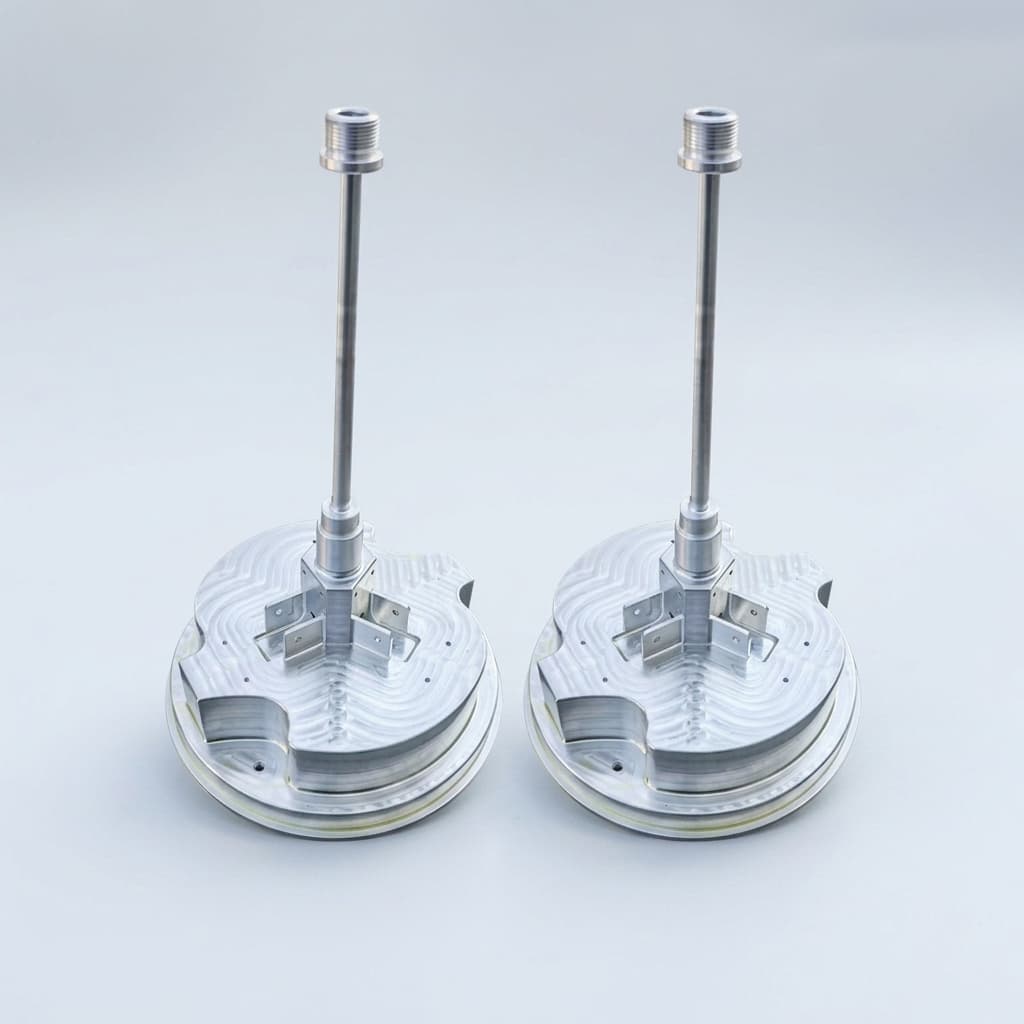
Custom Humanoid Actuator BOM Integration and Sourcing Guide
How funded robotics teams can coordinate motors, reducers, encoders, drivers, bearings, housings, harnesses, validation evidence, and export logistics through one custom actuator ODM workflow.
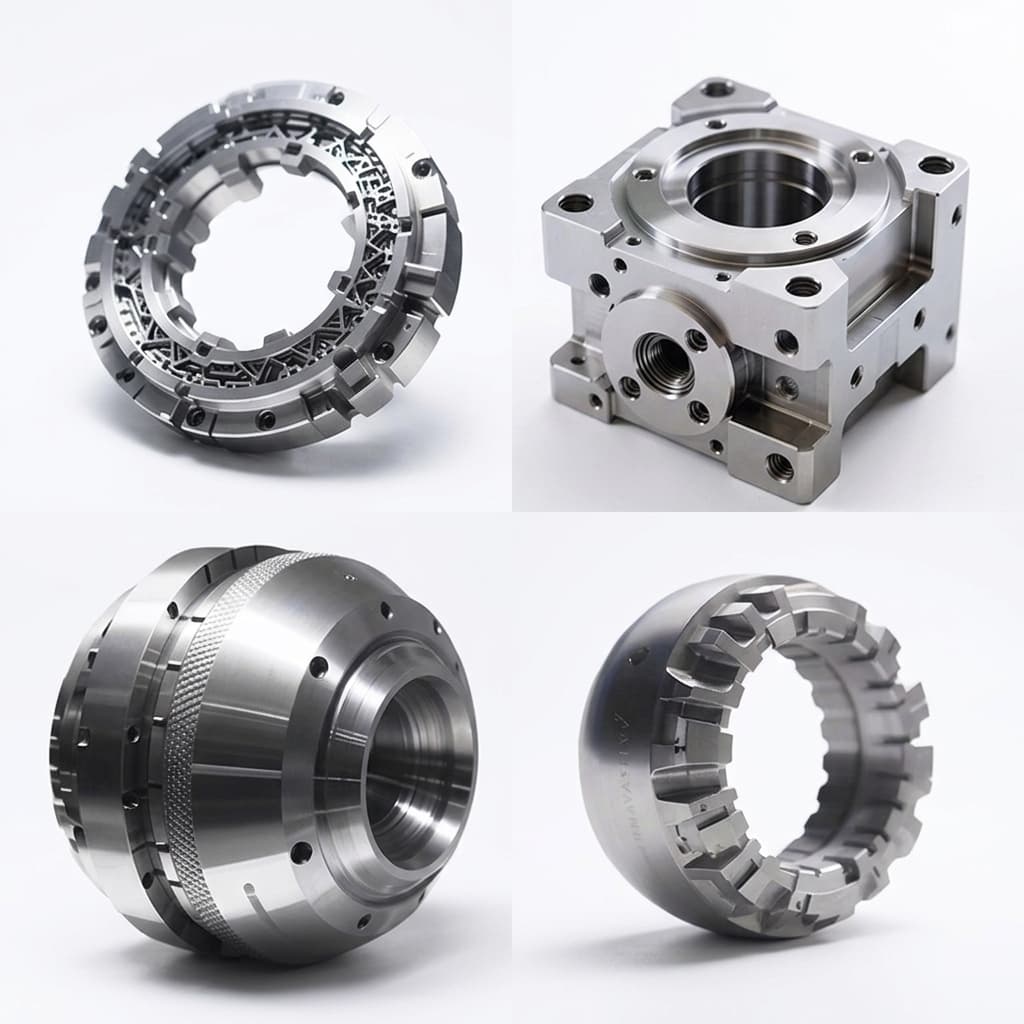
How to Source Custom CNC Housings for Humanoid Actuators
An engineering breakdown of tolerances, material selection, GD&T, and machining costs when moving from benchtop prototype actuators to pilot-production precision CNC housings.
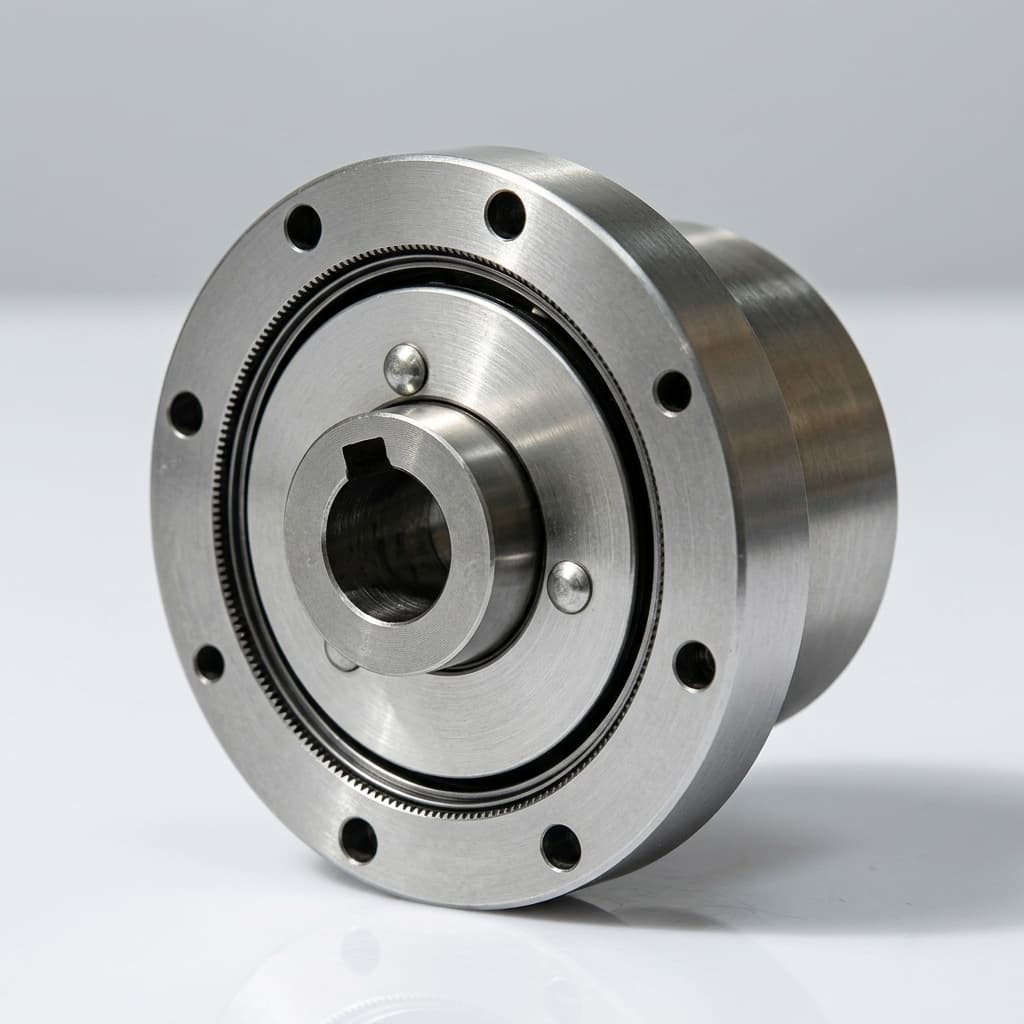
Thermal Derating in Custom Humanoid Actuators
Why peak torque is not enough for humanoid actuator procurement, and how to specify continuous torque, duty cycle, sealed housing conditions, driver heat paths, and validation evidence.