Best-fit RFQs
Funded humanoid programs with controlled engineering data
The strongest inquiries include a joint map, CAD or 2D drawing revision, target torque-speed range, duty cycle, thermal boundary, and sample-to-pilot quantity path.
Share joint CAD, torque-speed targets, thermal limits, validation needs, sample quantity, and pilot schedule. We review the actuator stack and quote a path from prototype to repeatable build.
Inquiry Email
Include target torque/speed, quantity, and delivery location.
Application Engineer
+8618857971991
Talk directly about drawings, torque-speed targets, and RFQ data gaps.
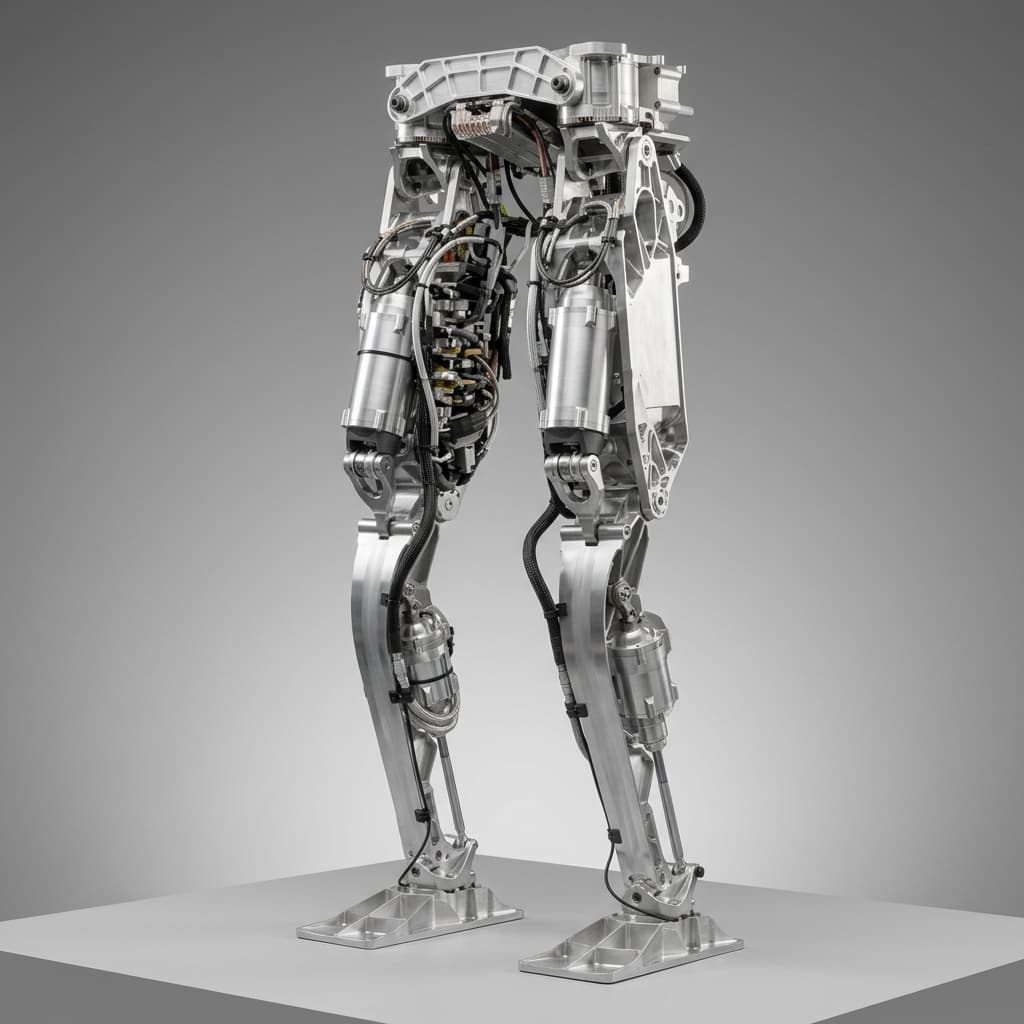
Turn humanoid joint CAD, torque targets, and packaging limits into manufacturable actuator modules.
Validate load paths, bearing support, housing stiffness, and heat flow before prototype release.
Control drawings, CTQ checks, sample evidence, and pilot batches for serious robotics teams.
Best-fit RFQs
The strongest inquiries include a joint map, CAD or 2D drawing revision, target torque-speed range, duty cycle, thermal boundary, and sample-to-pilot quantity path.
Review boundary
Custom scope can cover actuator architecture, housings, interfaces, reducers, motor stack, encoder/brake boundary, inspection records, and export-ready pilot builds.
Usually not a fit
If there is no CAD baseline, no joint-level target, or no sample budget, the team should first prepare the RFQ package before requesting ODM engineering time.
Serious actuator RFQs usually start with the same decisions: which actuator family fits the joint, what can be customized, what evidence is available, and what data is needed for a useful quote.
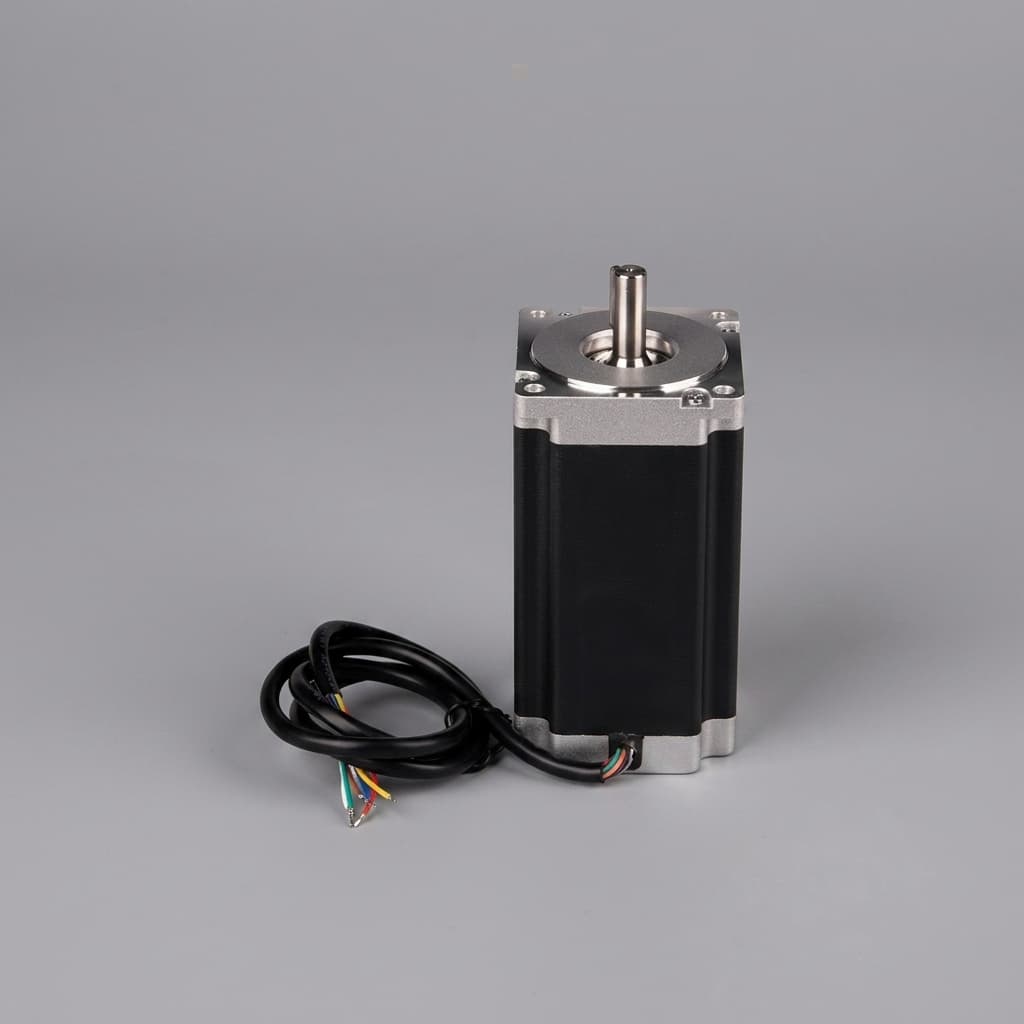
Hip, knee, ankle, shoulder, elbow, wrist, neck
Architecture fit, axial length, flange, cable route
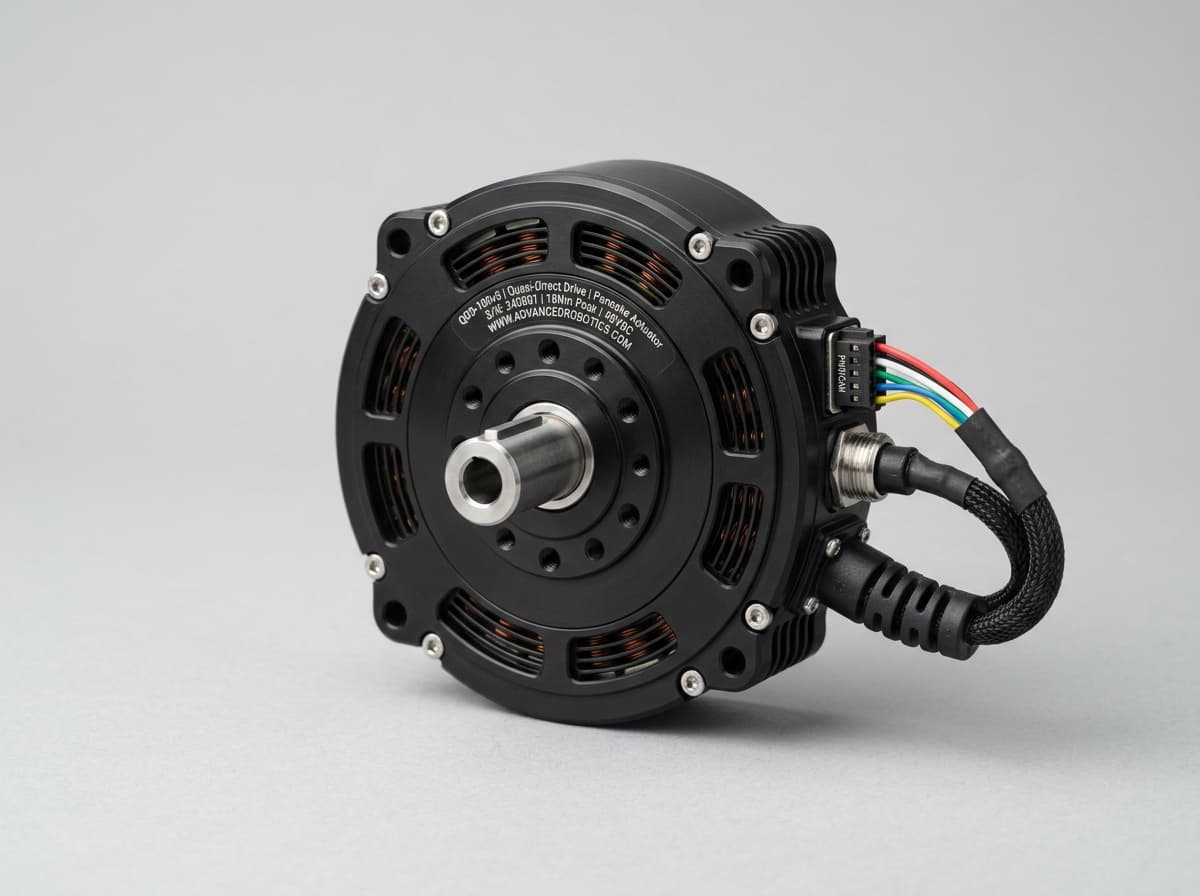
Low-ratio, back-drivable joints for dynamic motion
Torque density, compliance, thermal derating, control feel
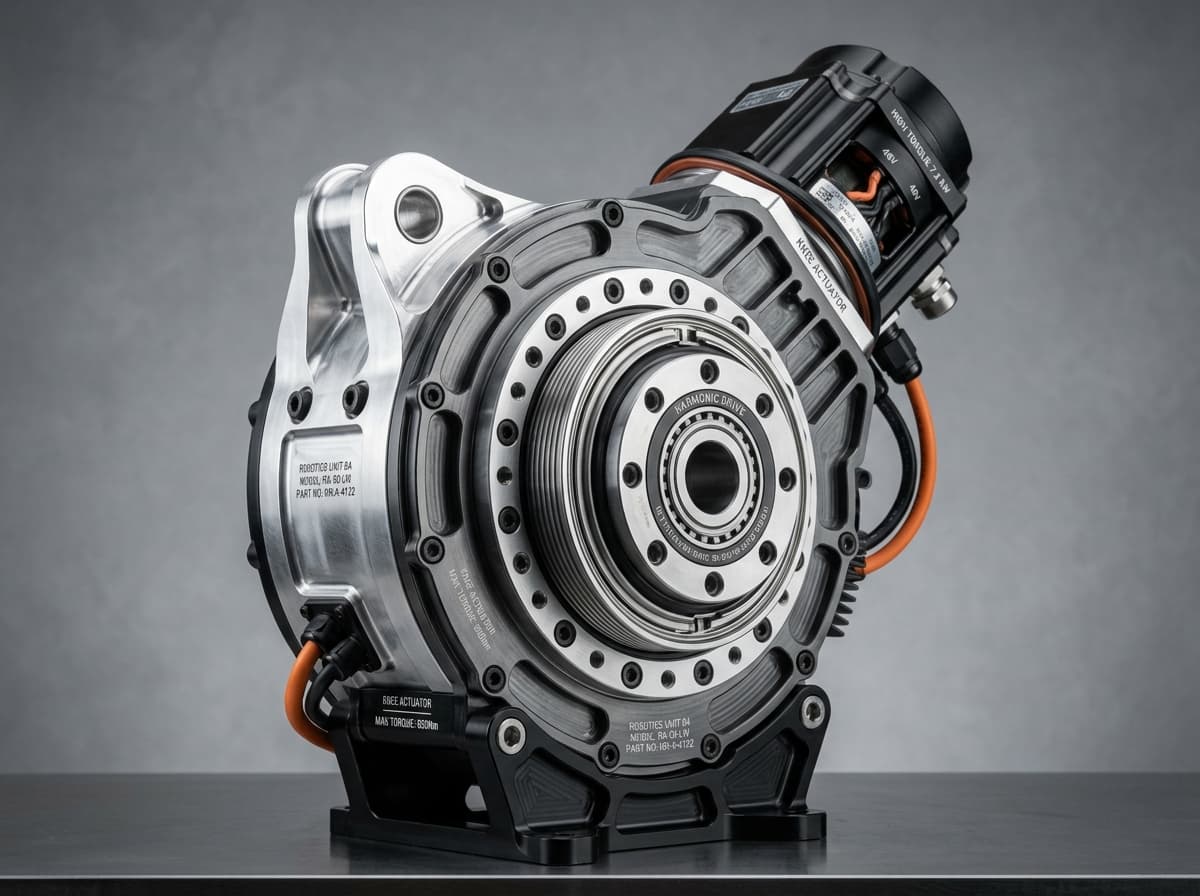
Hip pitch/roll/yaw, knee, ankle pitch/roll
Impact load, bearing support, brake, reducer stiffness
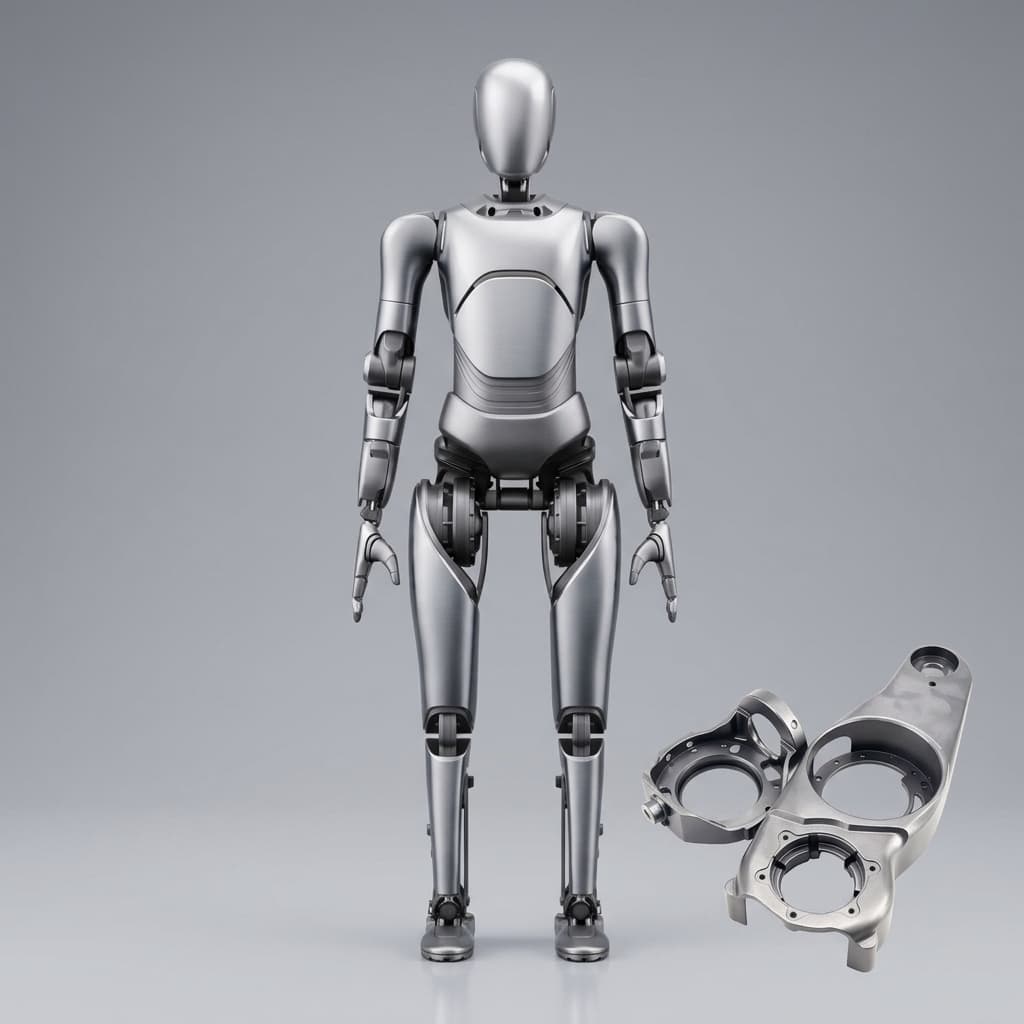
Upper limb, wrist, dexterous hand, micro drives
Mass budget, cable routing, backlash, sensor placement
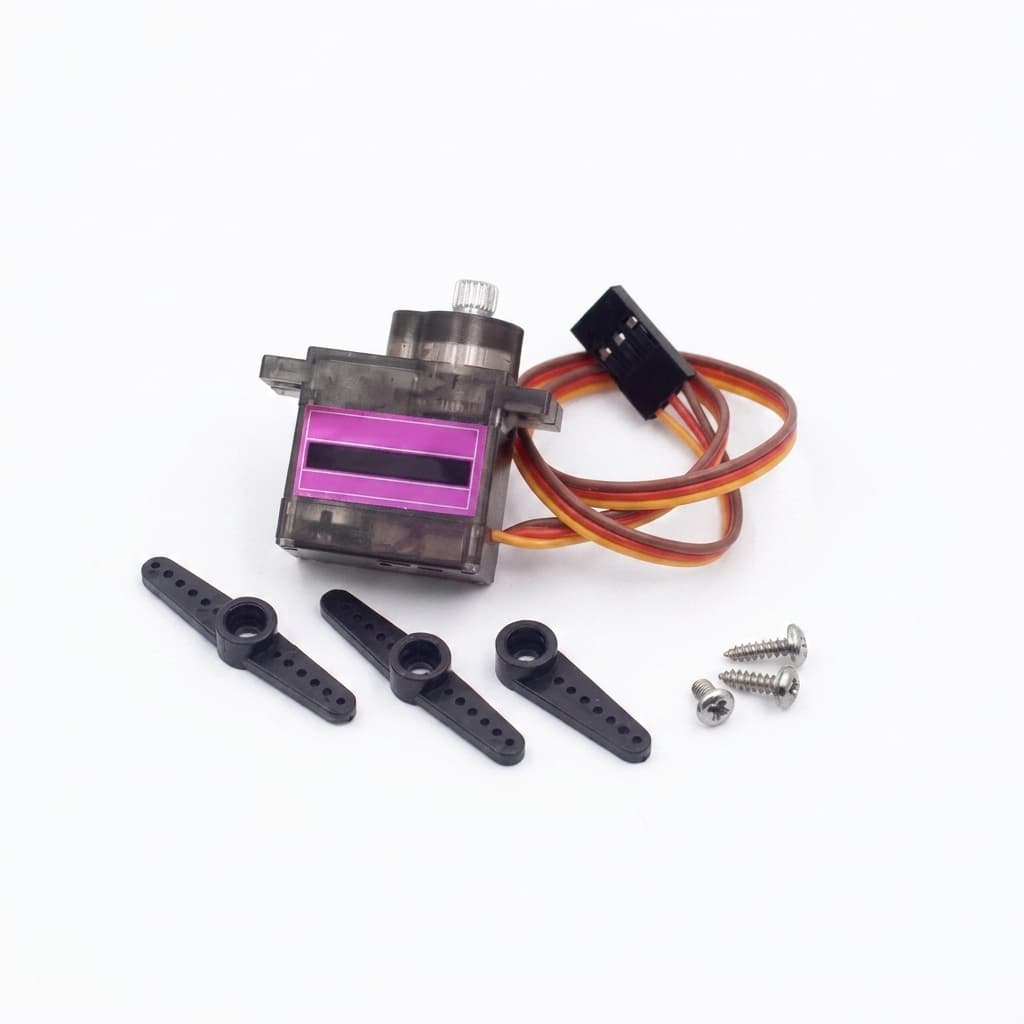
Bearing seats, output flanges, hollow shafts, sensor carriers
GD&T, CTQ dimensions, sealing, heat path, revision control
Motor, reducer, encoder, brake, housing, driver, harness, output interface, thermal path, and validation evidence are checked against the buyer's joint envelope and duty cycle.
Custom work is useful only when the boundaries are explicit. These are the areas buyers usually define before a realistic sample plan or pilot quote can be issued.
Product architecture
Application duty
Engineering evidence
Quality is handled as a program path, not a final slogan. The inspection and validation package can be matched to your CTQ dimensions, actuator stack, pilot quantity, and acceptance threshold.
Joint map, CAD envelope, torque-speed target, duty cycle, thermal boundary, and revision ownership.
Missing-parameter list, DFM questions, stack risk notes.
Bearing seats, output interfaces, hollow-shaft geometry, flatness, runout, and GD&T-critical dimensions.
FAI, CMM, dimensional reports, material and process records.
Motor, reducer, encoder, brake, driver, harness, lubrication, preload, and calibration assumptions.
Backlash, no-load current, functional test, thermal observation, photo records.
Sample acceptance threshold, corrective actions, packaging, outgoing inspection, and shipment plan.
Release checklist, traceability log, pilot batch control plan.

Housing, bearing-seat, output-flange, hollow-shaft, and cable-routing features are reviewed against CTQ dimensions and inspection needs.
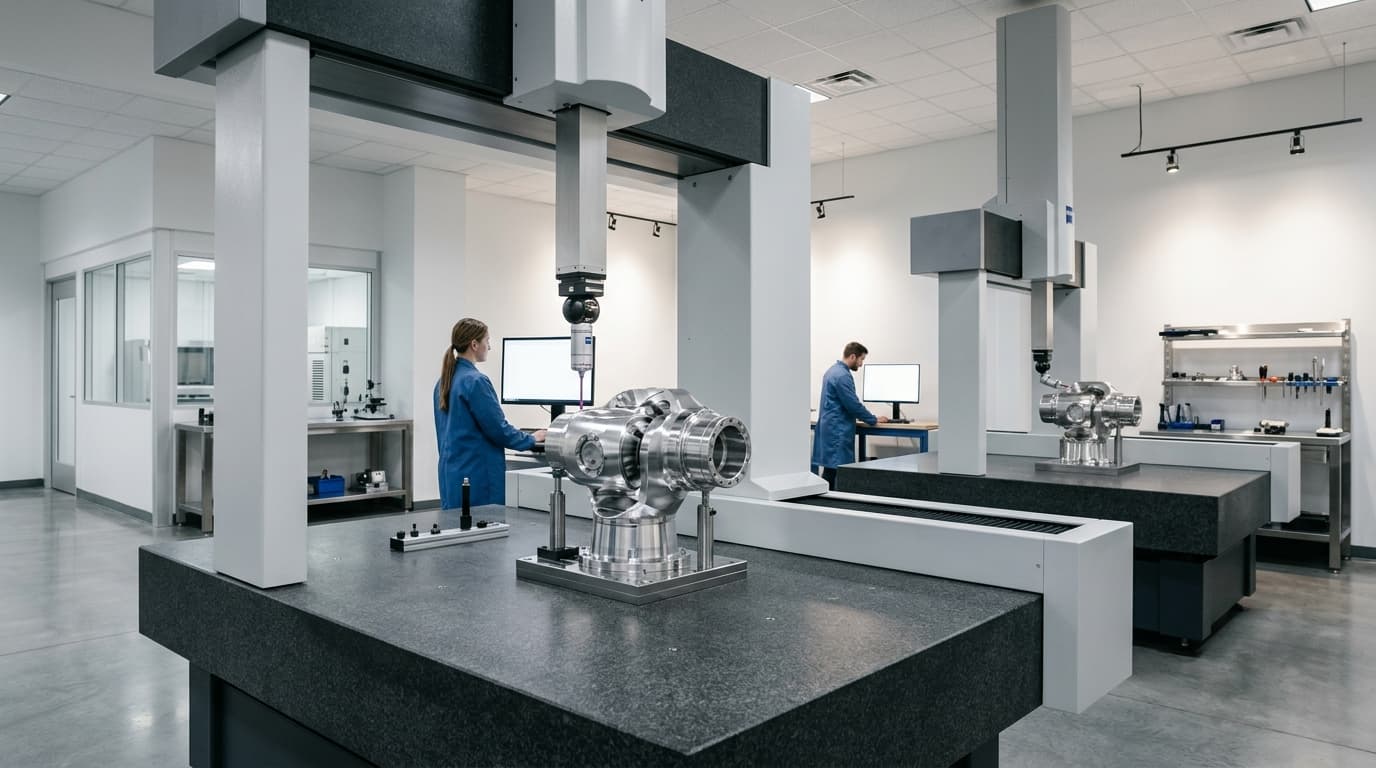
FAI, CMM, concentricity, flatness, runout, and GD&T checks can be scoped to the buyer acceptance gate.
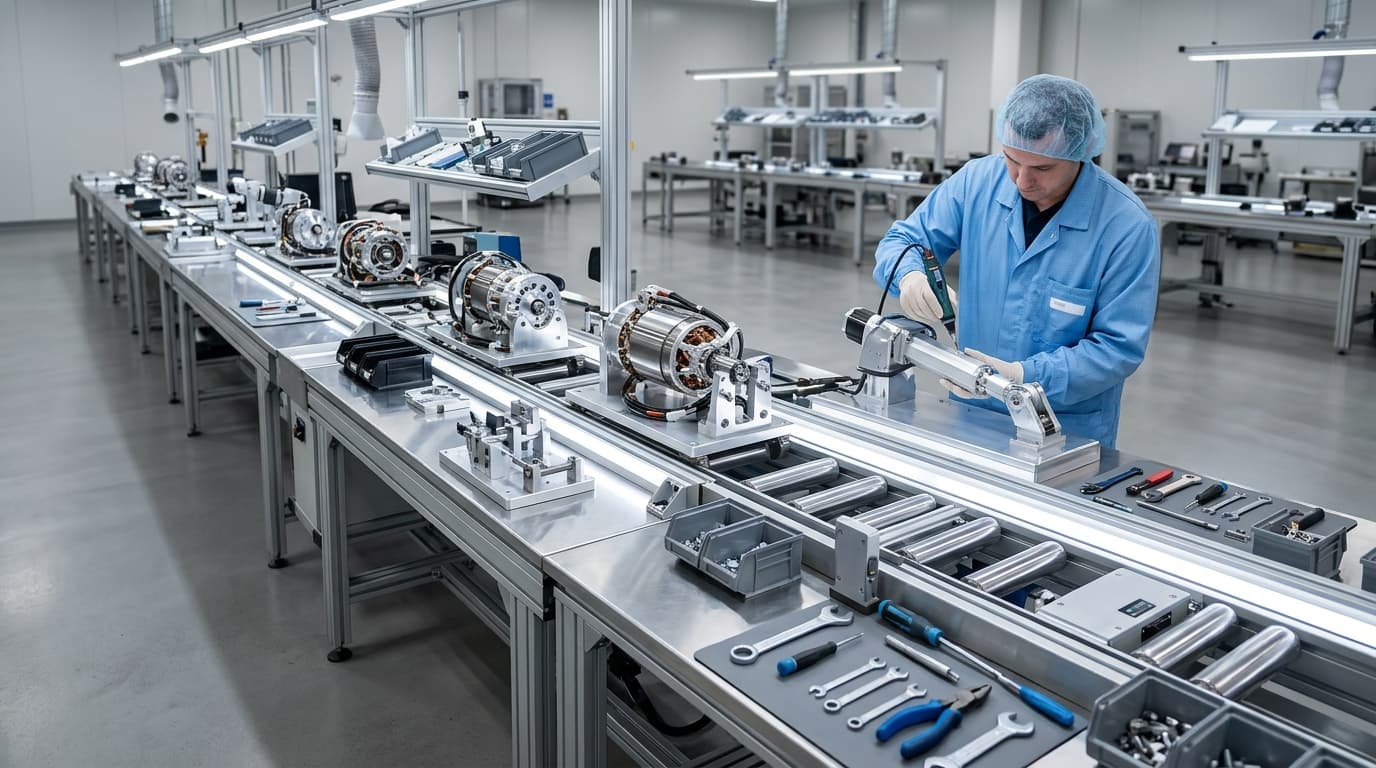
Motor, reducer, encoder, brake, driver, harness, and outgoing test assumptions are aligned before sample or pilot release.
Buyer Decision Points
Hardware teams can compare what can be built, what can be customized, how quality is controlled, and what data is needed for an actionable RFQ.
Match rotary modules, QDD stacks, leg joints, arm drives, micro actuators, housings, and interfaces against the real joint duty.
Clarify envelope, ratio, motor, reducer, brake, encoder, driver, harness, thermal path, material, and acceptance evidence before quoting.
Review CAD revision, FEA and thermal assumptions, bearing support, DFM risk, validation fixture needs, and IP boundary early.
Scope FAI, CMM, backlash, functional checks, thermal observation, traceability, sample approval, pilot release, and export handoff.
Homepage Coverage
Sourcing teams can evaluate product capability, customization scope, quality evidence, timeline assumptions, and RFQ completeness before opening a supplier thread.
Modules + Housings
Product Capability
CAD-Driven
Customization Scope
FAI / CMM / Test
Quality Evidence
Sample -> Pilot
Build Path
Buyers get better timing when the first message includes the engineering baseline. Formal quote and build schedules still depend on CAD maturity, validation scope, sourced components, and revision stability.
24h technical receipt target after complete data
Fit check, missing-parameter list, and review owner.
3 working days target for first engineering questions
Architecture risks, tolerance questions, and validation scope.
Timing depends on CAD maturity, sourced stack, and NRE scope
Prototype path, tooling assumptions, evidence gates, and commercial baseline.
Build schedule set after material, tooling, and revision lock
Sample hardware with inspection and functional records agreed in scope.
Pilot release after sample acceptance and corrective-action closure
Batch control plan, traceability, packing, and export handoff.
The strongest RFQs usually describe the application first. That context changes ratio, bearing layout, brake choice, sensing, validation, and sample acceptance.
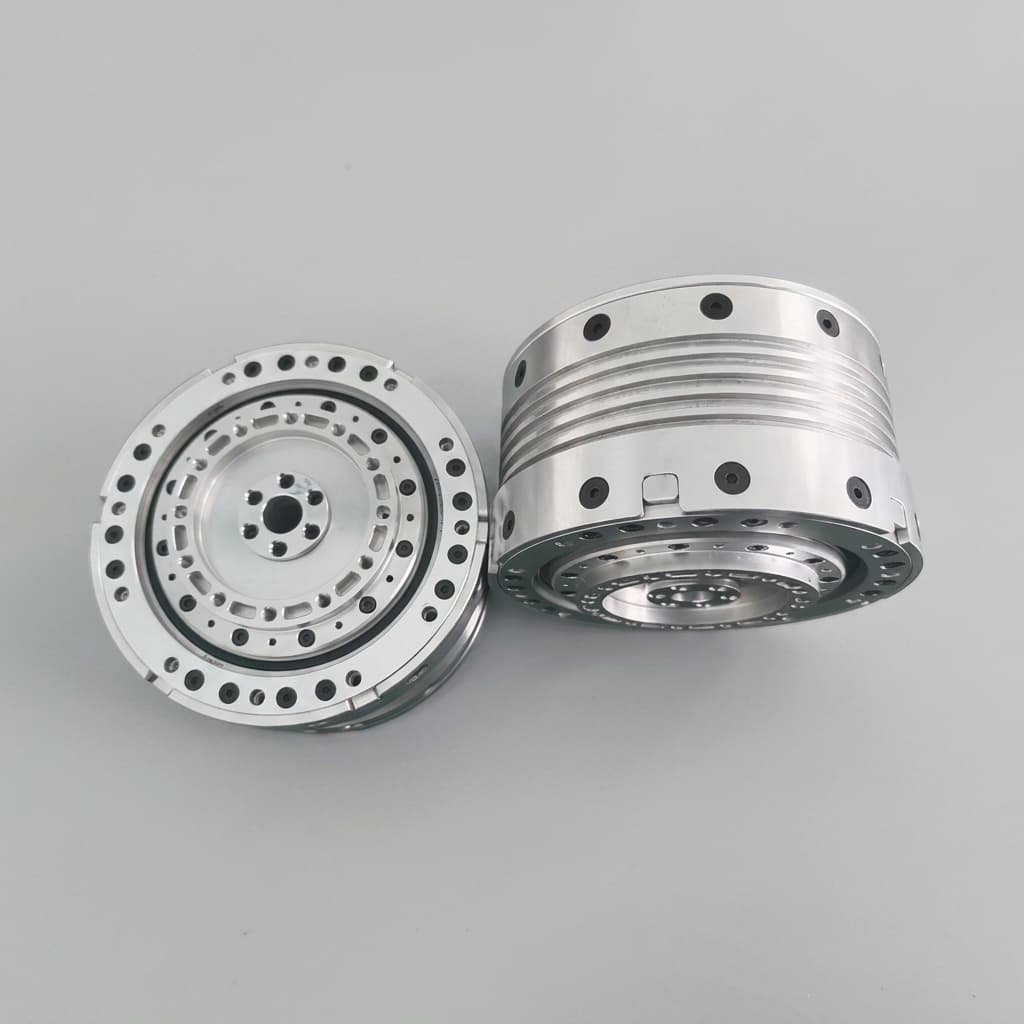
High-load joints where torque density, impact survival, brake choice, and thermal derating decide supplier fit.
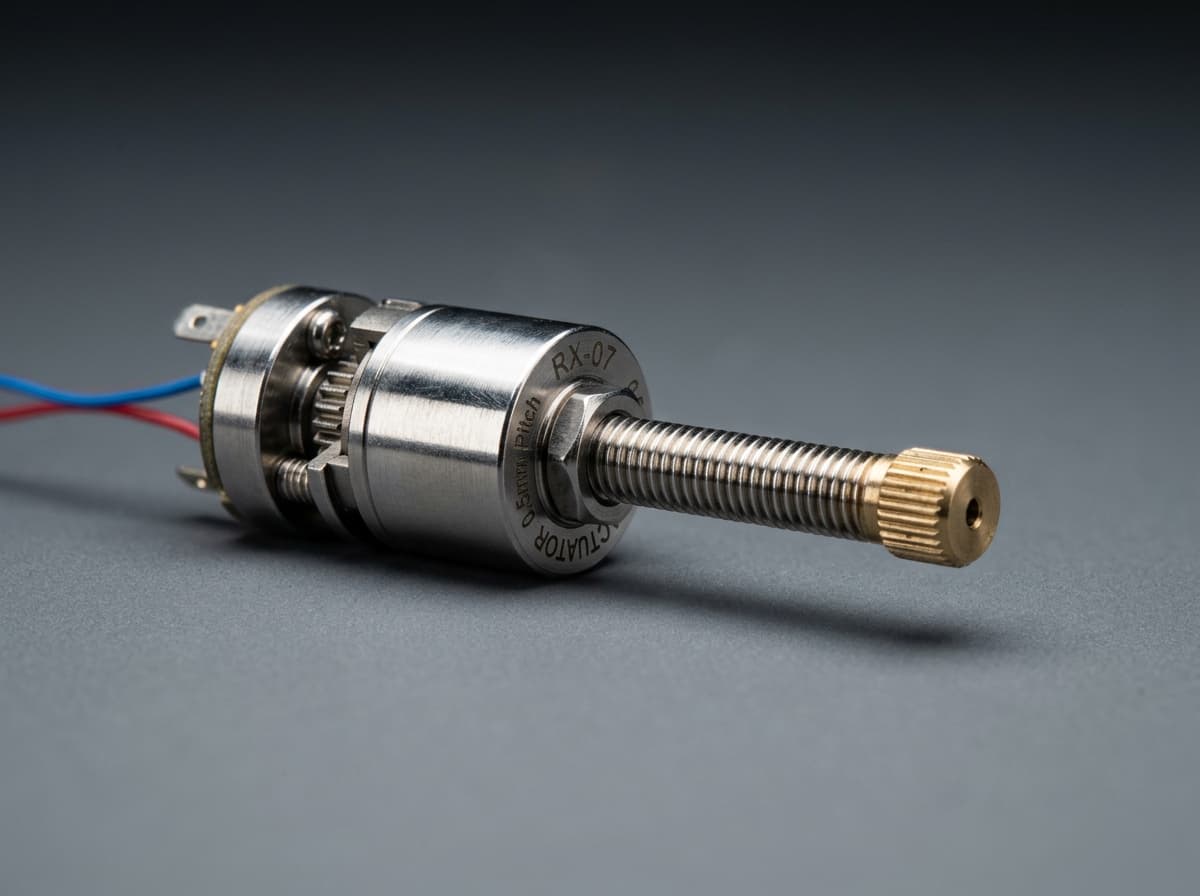
Compact axes where backlash, weight, cable routing, encoder position, and serviceability matter most.
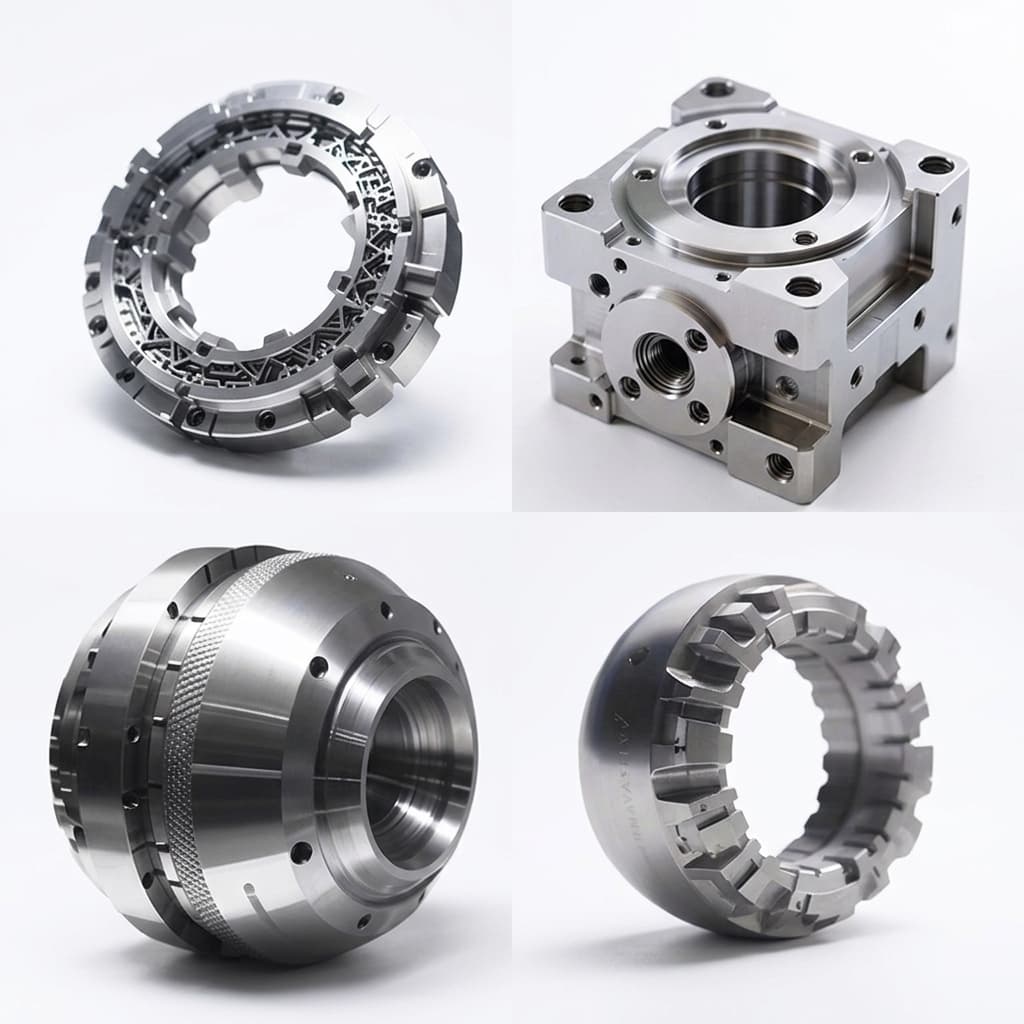
Programs with unusual geometry, interface constraints, revision-heavy CAD, or customer-owned IP boundaries.
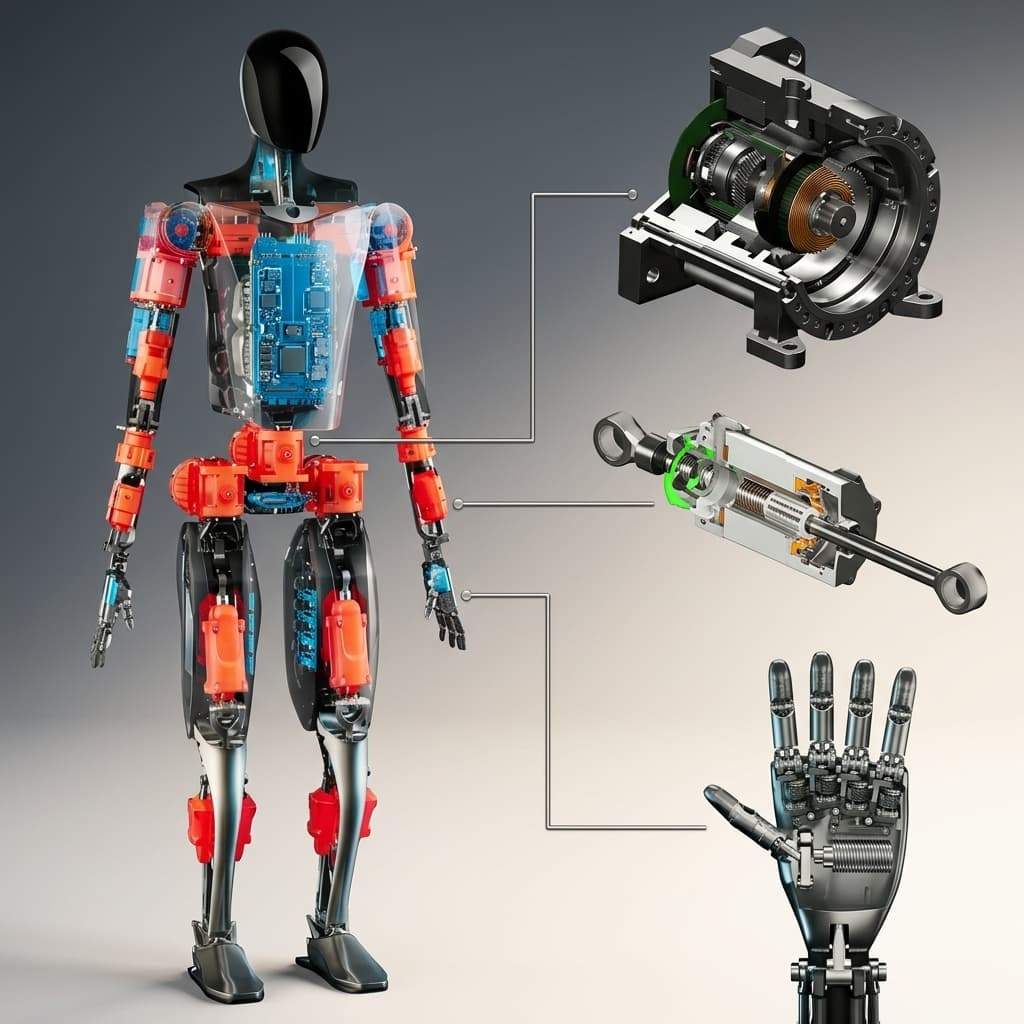
Teams moving from prototype acceptance to pilot lots with CTQ records, test evidence, and traceable changes.
A complete first message reduces quote loops and lets the team judge product fit, custom scope, quality gates, sample plan, and pilot pathway in one review.
Practical buyer-side checklists, decision frameworks, and technical notes for sourcing, validation, and pilot-build decisions.
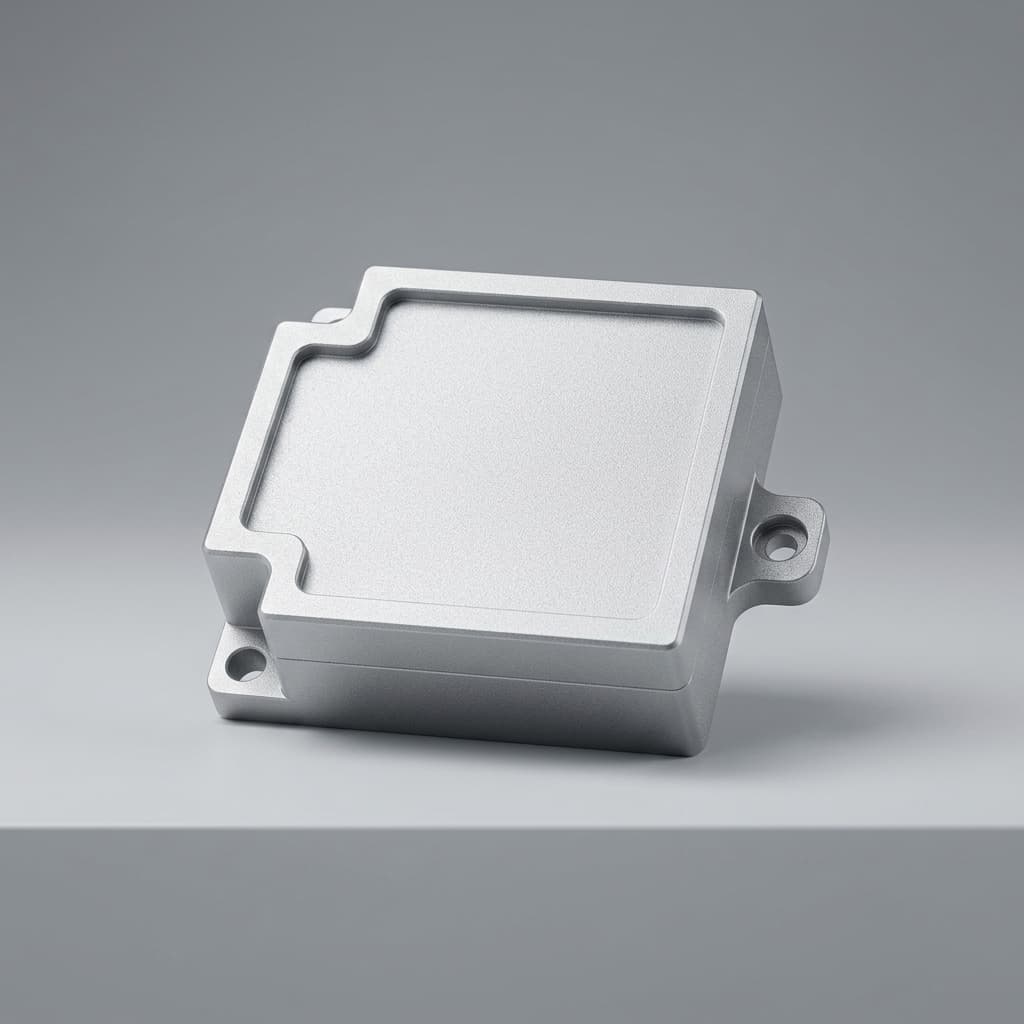
2026 procurement guide for custom humanoid actuator FAT/SAT protocols, dynamic-load tests, thermal derating, source evidence, and RFQ acceptance limits.

An engineering breakdown of tolerances, material selection, GD&T, and machining costs when moving from benchtop prototype actuators to pilot-production precision CNC housings.
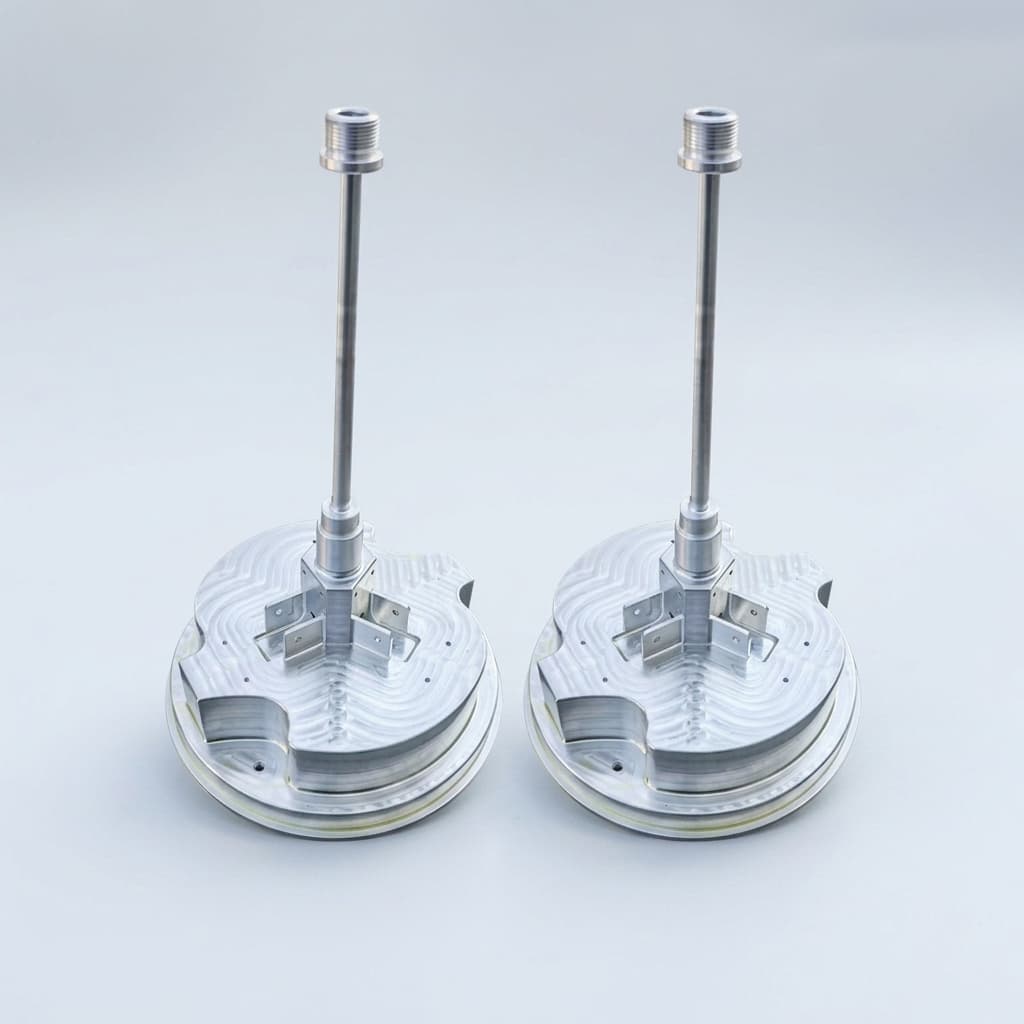
How funded robotics teams can coordinate motors, reducers, encoders, drivers, bearings, housings, harnesses, validation evidence, and export logistics through one custom actuator ODM workflow.
FAQ
Include joint map, CAD envelope, revision, torque-speed target, duty cycle, voltage, protocol, encoder/brake/driver boundary, sample quantity, pilot forecast, destination, and timeline.
Inquiry Email
Include target torque/speed, quantity, and delivery location.
Application Engineer
+8618857971991
Talk directly about drawings, torque-speed targets, and RFQ data gaps.