
Custom ODM Program Fit
Use solutions when a catalog actuator cannot fit the robot envelope, joint interface, duty cycle, or pilot manufacturing plan.
Select the buyer scenario that best matches your robot program, then review the actuator architecture risk, package constraints, validation gates, and prototype-to-pilot support path.
These pages are not application brochures. They are decision paths for funded humanoid teams that need custom actuator ODM support around joint CAD, torque-speed targets, nonstandard envelopes, inspection records, and long-term manufacturing readiness.
Start here when the question is not "which catalog part?" but "which custom actuator development path gives this humanoid program the fastest credible route to validated samples and pilot builds?"
Use solutions when a catalog actuator cannot fit the robot envelope, joint interface, duty cycle, or pilot manufacturing plan.
The strongest match is a funded robotics team with CAD, a joint map, target torque-speed data, prototype budget, and a pilot schedule.
Each solution route should end in controlled drawings, validation gates, inspection evidence, and a clear prototype-to-pilot handoff.
The right solution page depends on the buyer's first blocking problem: fundraising-stage prototype speed, lower-body loads, compact manipulation, impossible packaging, or pilot production control.
| Solution Route | Start Here When | First RFQ Evidence | Proof Path |
|---|---|---|---|
| Funded Humanoid Prototype Programs | Robot concept and budget exist, but actuator architecture, supplier scope, and prototype route are not yet clean. | Joint map, frozen vs open constraints, program phase, NRE scope, prototype schedule, and pilot intent. | Drawing-to-Production ODM |
| Bipedal Leg Custom Joints | Hip, knee, or ankle joints need load margin, brake behavior, impact tolerance, and thermal derating review. | Robot mass, gait assumptions, peak and continuous torque, load cases, brake need, and fall-event assumptions. | Custom Humanoid Leg Actuators |
| Humanoid Arm and Hand Actuation | Upper-body joints need compact, quiet, lightweight, cable-aware actuation for arms, wrists, necks, or hands. | Mass target, torque or force target, speed, cable path, connector location, mirrored parts, noise target, and duty cycle. | Dexterous Hand Micro Actuators |
| Nonstandard Robot Envelopes | Robot shell, hollow shaft, short axial stack, side cable exit, or asymmetric mount prevents catalog actuator use. | Maximum OD, axial length, forbidden zones, cable exits, mounting pattern, output interface, and service access. | Hollow Shaft Actuator Architecture |
| Pilot-to-Mass Production Actuators | Working samples exist and the buyer needs revision control, inspection gates, yield visibility, and repeat delivery. | Approved sample, drawing revision, BOM revision, test records, pilot quantity, forecast, and destination country. | Prototype and Pilot Control |
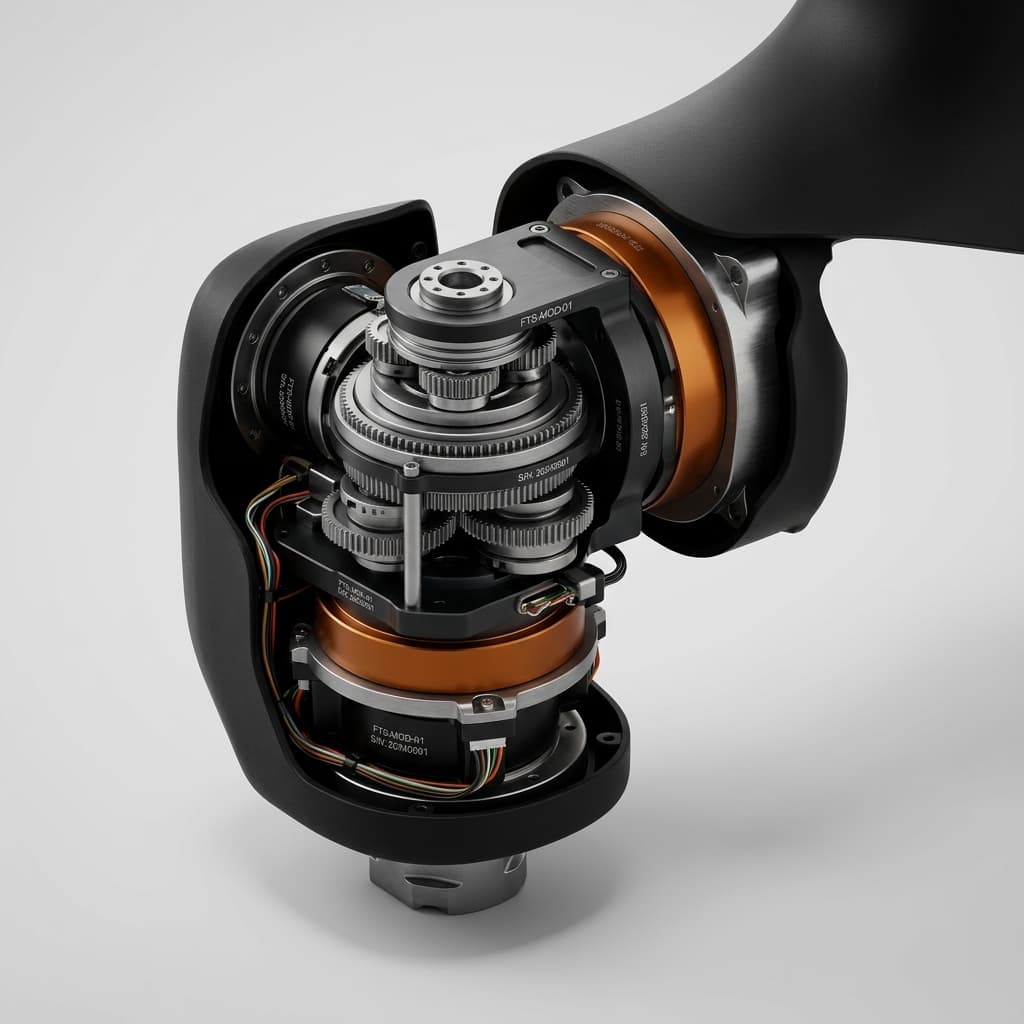
Custom actuator development path for professional robotics teams that need to move from a CAD joint concept to working hardware without building every supplier relationship from scratch.
Best for teams with drawings, budget, and urgent schedules who need a practical ODM partner rather than consumer-grade parts.
Start when: Robot concept and budget exist, but actuator architecture, supplier scope, and prototype route are not yet clean.
Key metric: Time to first sample
Risk to control: The RFQ is too vague and attracts low-quality supplier replies
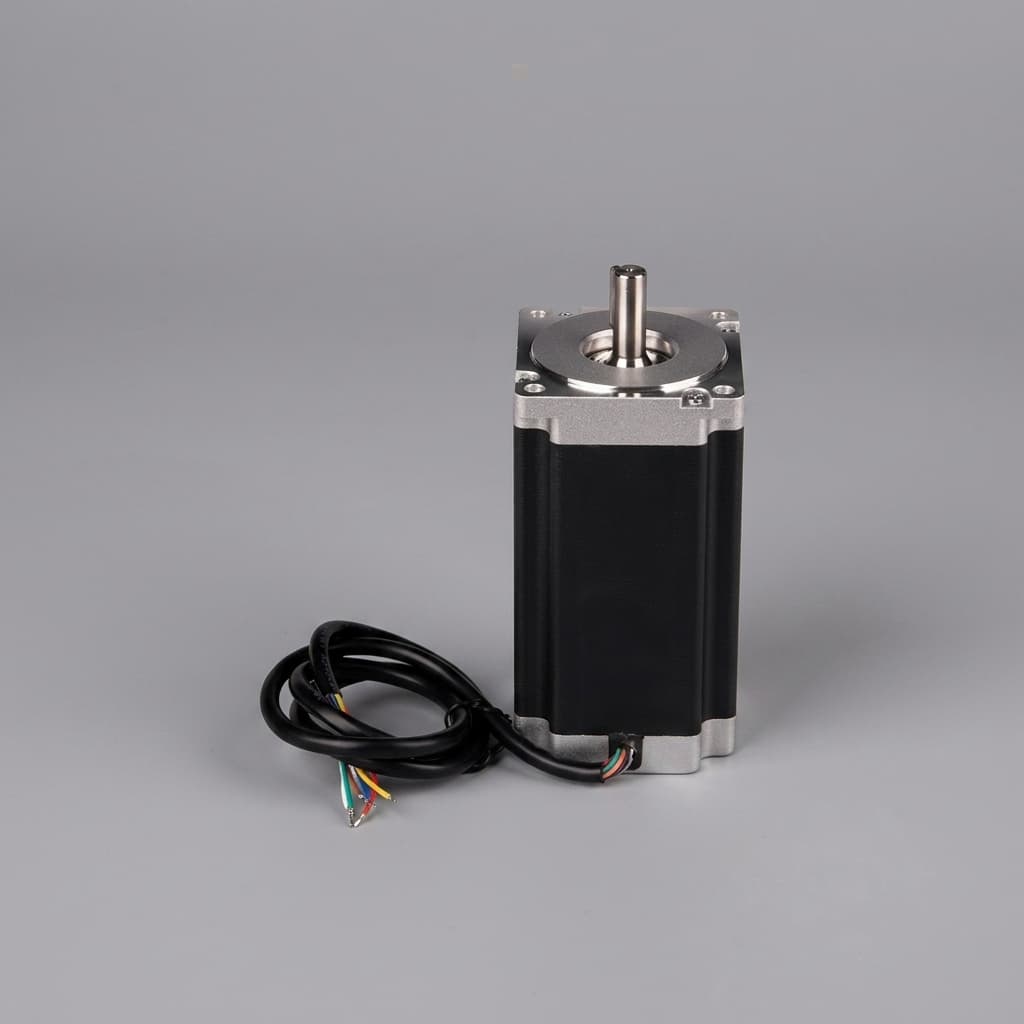
Custom actuator support for humanoid leg joints where load, impact, balance recovery, brake behavior, and thermal stability define the design.
For teams that need lower-body custom actuators with real load margin, not demonstration-only motion.
Start when: Hip, knee, or ankle joints need load margin, brake behavior, impact tolerance, and thermal derating review.
Key metric: Lower-body load margin
Risk to control: The leg actuator is sized from a static torque number only
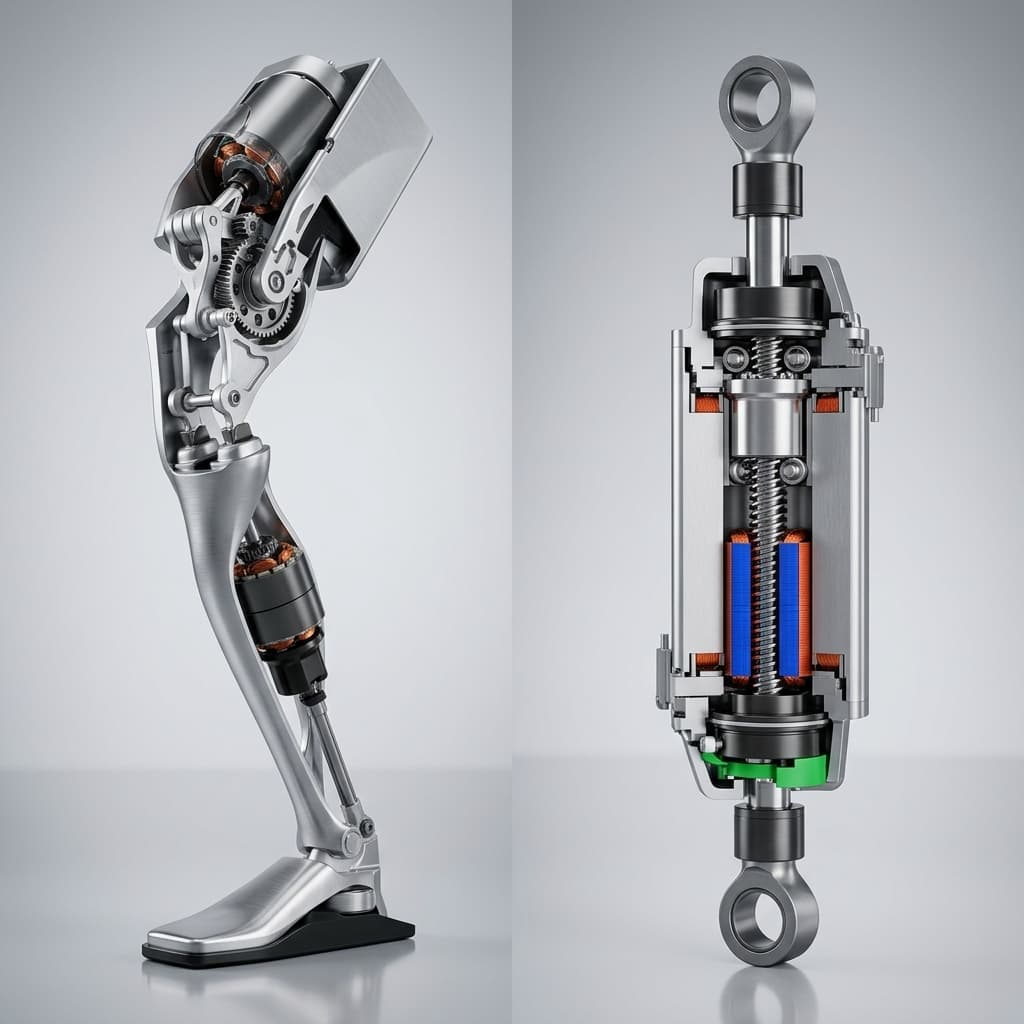
Custom compact actuator path for humanoid arms, wrists, necks, dexterous hands, and special manipulation mechanisms.
For teams needing compact and quiet upper-body actuators with custom interfaces and cable paths.
Start when: Upper-body joints need compact, quiet, lightweight, cable-aware actuation for arms, wrists, necks, or hands.
Key metric: Upper-body mass impact
Risk to control: A compact module passes no-load tests but fails under manipulation load
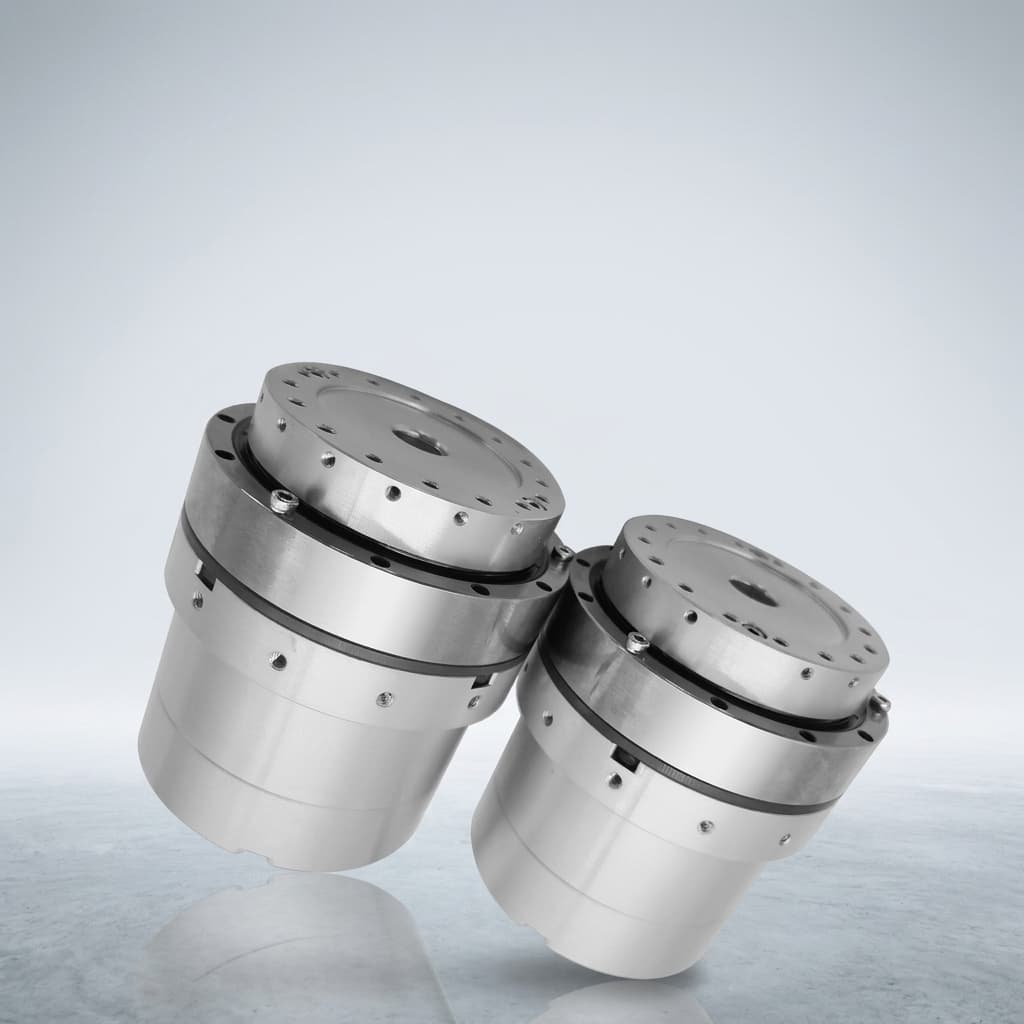
ODM pathway for humanoid actuator modules that must fit unusual robot shells, hollow shafts, ultra-short axial stacks, special cable exits, or asymmetric mounting interfaces.
For teams whose robot design cannot be changed around a catalog actuator and must instead customize the actuator around the robot.
Start when: Robot shell, hollow shaft, short axial stack, side cable exit, or asymmetric mount prevents catalog actuator use.
Key metric: Packaging constraint severity
Risk to control: A custom actuator becomes impossible to assemble or inspect
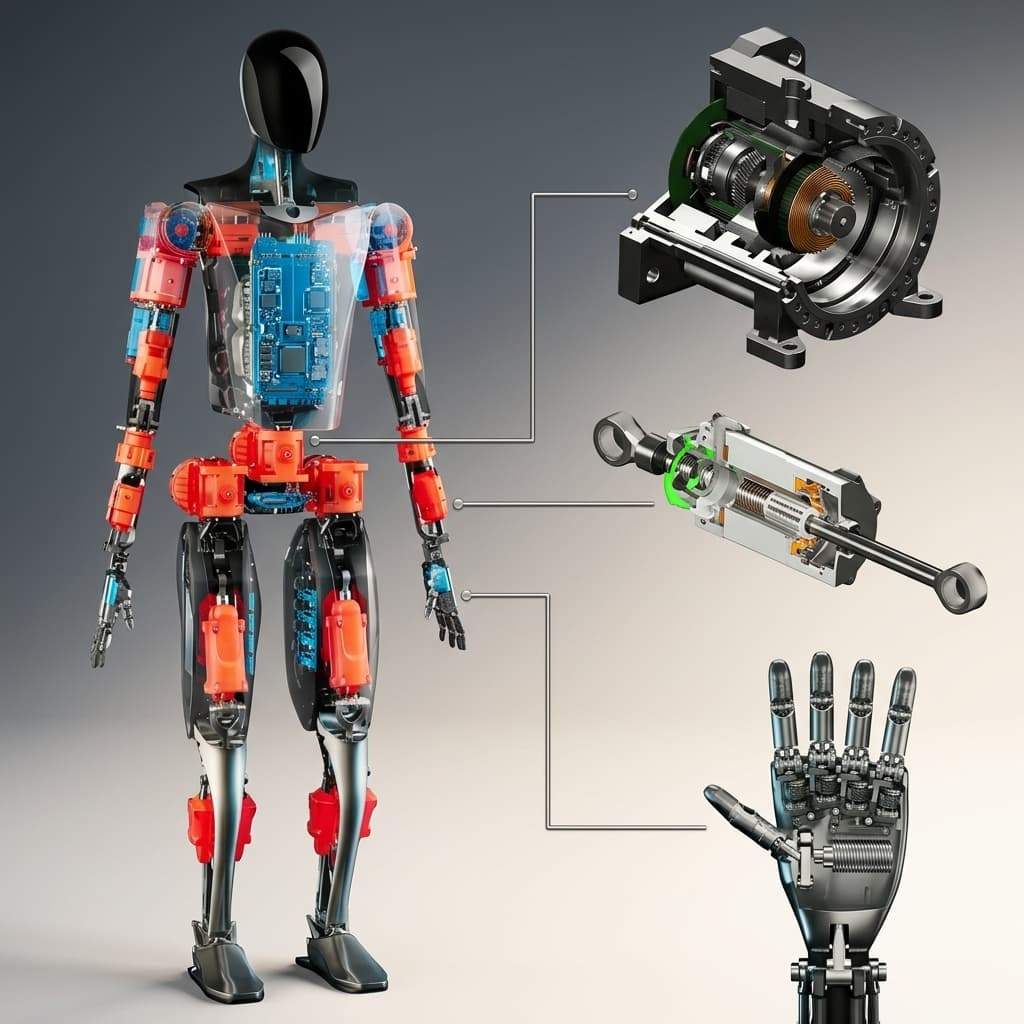
Manufacturing control path for custom humanoid actuator programs that need to move from samples to stable pilot batches and repeat production.
For teams that already have working actuator samples and need manufacturing discipline for the next build stage.
Start when: Working samples exist and the buyer needs revision control, inspection gates, yield visibility, and repeat delivery.
Key metric: Pilot yield visibility
Risk to control: The buyer scales from a one-off prototype without production drawings
| Solution | Primary Buyer Focus | Key Metric | Why It Matters |
|---|---|---|---|
| Funded Humanoid Prototype Programs | Best for teams with drawings, budget, and urgent schedules who need a practical ODM partner rather than consumer-grade parts. | Time to first sample: Architecture and tooling dependent | Funded teams often lose months when they ask every component supplier separately instead of packaging the actuator program coherently. |
| Bipedal Leg Custom Joints | For teams that need lower-body custom actuators with real load margin, not demonstration-only motion. | Lower-body load margin: Robot and gait dependent | Leg actuators carry the platform and absorb impact, so undersizing creates mechanical and control instability. |
| Humanoid Arm and Hand Actuation | For teams needing compact and quiet upper-body actuators with custom interfaces and cable paths. | Upper-body mass impact: Joint dependent | Every gram in the arm or wrist increases the load on upstream shoulder and torso joints. |
| Nonstandard Robot Envelopes | For teams whose robot design cannot be changed around a catalog actuator and must instead customize the actuator around the robot. | Packaging constraint severity: Low, medium, high, impossible without architecture change | Some envelope problems require actuator customization; others require robot architecture changes before manufacturing. |
| Pilot-to-Mass Production Actuators | For teams that already have working actuator samples and need manufacturing discipline for the next build stage. | Pilot yield visibility: Project and process dependent | Custom actuator cost is driven by machining yield, assembly stability, calibration time, and rework rate. |
A serious custom actuator inquiry should connect the selected scenario with engineering evidence. This keeps the conversation away from generic price lists and toward a manufacturable humanoid actuator program.
| Evidence | Why It Matters | Review Page |
|---|---|---|
| Drawing and BOM responsibility | Clarifies buyer-owned IP, supplier DFM scope, revision control, and NRE deliverables before quotation. | ODM workflow |
| FEA and thermal review | Checks load path, housing stiffness, bearing support, heat path, duty cycle, and derating risk before samples. | Engineering review |
| Quality validation plan | Connects torque-speed, backlash, noise, thermal, electrical, and dimensional checks to buyer acceptance. | Validation evidence |
| Prototype-to-pilot control | Turns a working sample into controlled drawings, CTQ dimensions, inspection gates, and repeatable batches. | Pilot control |
Start with the binding constraint of your robot program. If you have a funded prototype without a finalized actuator architecture, begin with Funded Humanoid Prototype Programs. If the blocking issue is a specific joint group (legs, arms, or a nonstandard envelope), choose the matching route. If you are past prototype and need to scale, start with Pilot to Mass Production.
Yes. These routes are buyer decision paths, not separate products. A single custom actuator program often touches multiple routes as it progresses from architecture review through prototype, DVT, and pilot production.
At minimum, prepare a joint map with axis positions, 3D CAD or 2D drawing with revision level, target torque-speed curves (peak and continuous), duty cycle and thermal boundary, voltage and protocol preferences, prototype quantity, and pilot schedule. The Sample RFQ Package resource provides a complete checklist.
Yes. Teams with working prototypes often use the Pilot to Mass Production route to address drawing freeze, BOM control, validation gates, inspection evidence, and repeat-build handoff challenges that do not exist at the prototype stage.
Inquiry Email
Include target torque/speed, quantity, and delivery location.
Application Engineer
+8618857971991
Talk directly about drawings, torque-speed targets, and RFQ data gaps.